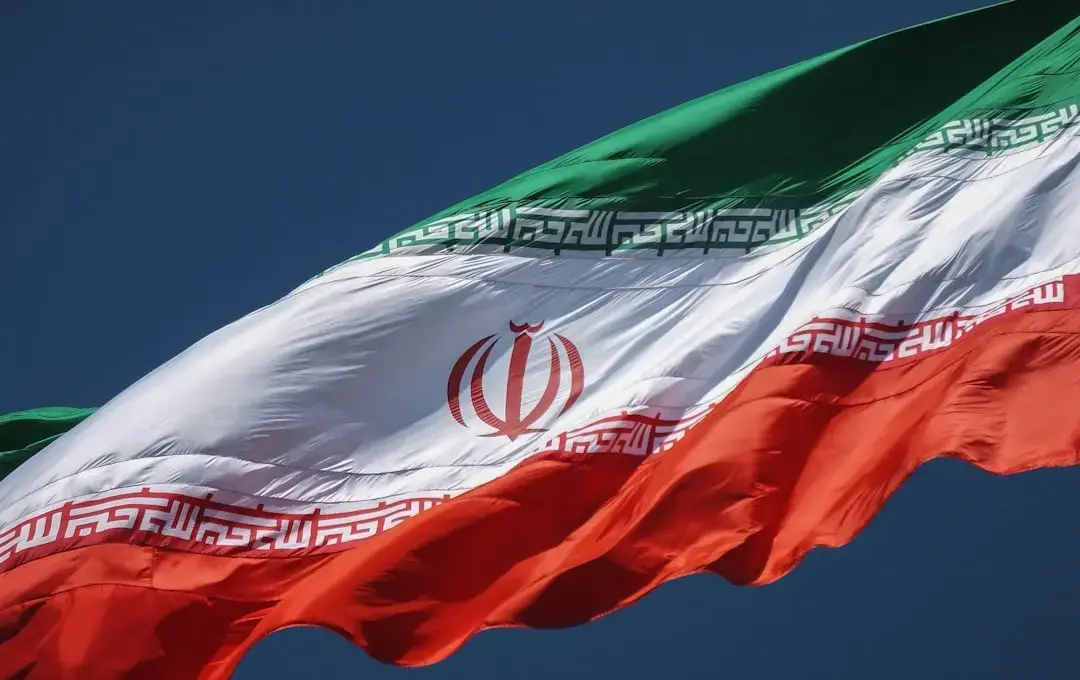
Rising Tensions in the Hormuz Corridor
Over the weekend, U. S. naval vessels and Iranian forces clashed in the Strait of Hormuz, a vital oil shipping lane linking the Persian Gulf to the Arabian Sea. The exchange occurred on Saturday and Sunday, near the narrowest point of the strait, and marked the latest escalation in a long‑standing rivalry. No official casualty figures have been released, but both sides reported minor damage to equipment.
Latest news
 Swedish Voters Choose New Parliament as Left-Wing Coalition Projects to Win Majority
 Trump Announces End of US Tariff on Irish Whisky
 Frances Stonor Saunders, Author of CIA Cultural Espionage Exposé, Dies at 66
 Israel and Lebanon to Hold Security Talks in Rome This October
The skirmish follows weeks of heightened rhetoric over Iranian missile deployments and U. S. freedom‑of‑navigation operations. Tehran has accused Washington of threatening regional stability, while the Pentagon insists the patrols are lawful and necessary. Meanwhile, Congress faces a packed schedule, with debates on defense spending, sanctions relief, and a potential aid package for Ukraine dominating the agenda. Lawmakers argue that the recent firefight underscores the urgency of a coherent Middle‑East strategy.
U. S. Central Command confirmed that its ships detected hostile fire from Iranian patrol boats and responded with defensive fire. „Our forces acted in self‑defense, adhering to international law,” a senior officer told reporters. Iranian state media, meanwhile, claimed the U. S. vessels had violated Iranian waters and warned of „further retaliation if aggression continues.” Satellite imagery released by independent analysts shows smoke plumes near the engagement zone, suggesting limited damage to a small vessel. The incident has prompted renewed calls from regional allies for a de‑escalation framework, though Tehran has so far rejected any formal talks.
Could Diplomatic Channels Prevent Further Conflict?
U. S. Secretary of State indicated that back‑channel communications remain open, emphasizing that diplomatic solutions are preferable to kinetic confrontations. „We are prepared to discuss security concerns with Tehran, but any dialogue must be grounded in respect for sovereignty,” she said. The United Nations has offered to mediate, proposing a temporary cease‑fire to allow humanitarian vessels to pass unimpeded. Critics argue that without a binding agreement, the risk of accidental escalation remains high, especially as both navies continue to operate in close proximity. Analysts warn that a miscalculation could trigger a broader regional war, drawing in allies and adversaries alike.
The latest exchange of fire highlights the fragile balance of power in the Gulf region. While immediate damage appears limited, the incident could harden positions on both sides and complicate diplomatic overtures. Congress’s upcoming decisions on military funding and sanctions may shape the next phase of U. S.–Iran relations, potentially either cooling tensions or fueling further confrontations.
Frequently Asked Questions
What triggered the weekend exchange of fire? U. S. ships conducting freedom‑of‑navigation patrols were met with hostile fire from Iranian patrol boats, prompting a defensive response from the United States.
How might the congressional agenda affect the situation? Legislation on defense budgets, sanctions, and aid could signal U. S. policy direction, influencing diplomatic leverage and the willingness of both parties to pursue negotiations.
Is a broader regional conflict likely? While a full‑scale war is not inevitable, continued provocations and lack of dialogue increase the risk of accidental escalation that could draw in regional allies.