Settler Violence Escalates Amid Political Stalemate
Washington – On Saturday, U. S. Senator Marco Rubio urged Israel to take stronger action against attacks by Israeli settlers in the occupied West Bank. He said Washington is „deeply disturbed” by recent footage showing settlers assaulting Palestinians and warned that continued impunity could undermine regional stability.
Latest news
 The Kingmakers of Israeli Politics
 Spain's pension system faces growing financial pressure despite not being bankrupt
 Israeli blockade prevents access to vital care for Gaza's amputees
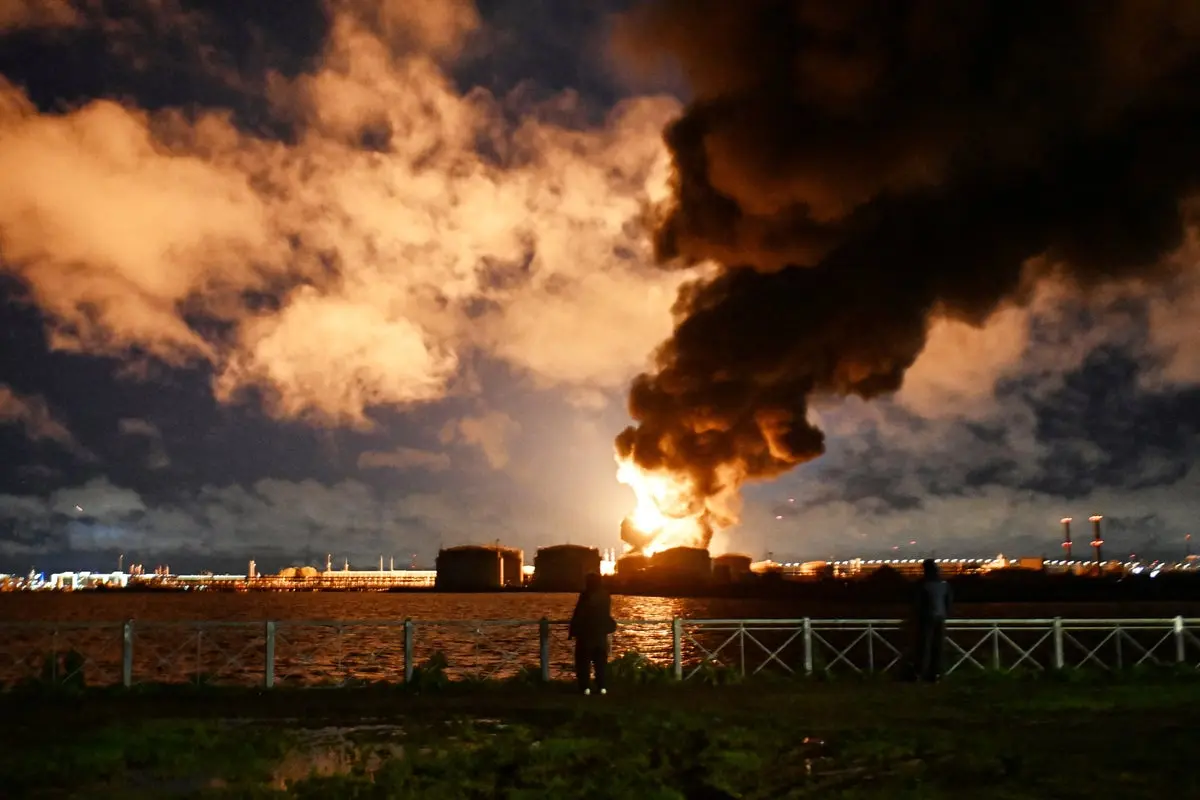 Ukraine Launches Massive Drone Assault on Russia, Incendiary Attacks Ignite Petrochemical Sites
Rubio’s remarks came amid rising tensions after a series of confrontations in Hebron and Nablus, where video evidence showed armed settlers smashing property and injuring civilians. The senator said the United States has repeatedly asked Israeli authorities to increase police presence, enforce existing laws, and prosecute perpetrators. He added that U. S. aid and diplomatic support could be conditioned on demonstrable steps to curb settler aggression, a stance that reflects growing frustration in Washington over the lack of accountability.
The latest incidents follow months of stalled peace talks and an expansion of settlement construction authorized by Israel’s current government. Human rights groups report a sharp rise in settler‑initiated attacks, ranging from stone‑throwing to arson, often met with limited police response. Rubio cited a recent video that showed a group of settlers confronting a Palestinian family, shouting threats while brandishing clubs. „We cannot stand by while civilians are terrorized in their own neighborhoods,” he said, urging the Israeli Defense Forces to intervene more decisively.
Will U. S. Pressure Force Israel to Change Its Approach?
Israeli officials acknowledge the problem but argue that security forces are stretched thin and that many attacks occur in remote areas. Defense Minister Yoav Gallant promised to „review deployment patterns” and to increase patrols in hotspots, yet critics argue that the measures are reactive rather than preventive. The United States, which provides Israel with $3.8 billion in annual military aid, has historically avoided direct criticism of settlement activity, making Rubio’s public admonition a notable shift.
Rubio’s comments raise the question of whether Washington can leverage its aid to influence Israeli policy on the ground. While the U. S. has previously linked aid to human‑rights benchmarks, the administration has been cautious about imposing conditions that could be perceived as interference. Rubio suggested that „future assistance may be reviewed if the pattern of violence continues unchecked,” hinting at a possible recalibration of the aid package. Israeli leaders, however, warn that any perceived coercion could strain the strategic partnership, especially as both nations confront shared security threats from regional actors.
If Israel does not act decisively, the violence could spiral, further destabilizing the West Bank and eroding any remaining goodwill between the parties. International observers fear that unchecked settler aggression may fuel radicalization among Palestinians, potentially sparking broader unrest. Conversely, a firm Israeli response, backed by U. S. diplomatic pressure, could restore a measure of order and open space for renewed negotiations.
Frequently Asked Questions
What specific actions is the U. S. urging Israel to take? Washington wants Israel to increase police patrols in settlement zones, enforce existing laws against violence, and prosecute settlers who commit crimes, with the possibility of tying aid to compliance.
How have Israeli officials responded to Rubio’s statements? Defense officials have pledged to review security deployments and improve response times, but they caution that resources are limited and that any policy shift must balance security with political considerations.
Could U. S. aid be reduced if Israel fails to act? Rubio hinted that continued inaction might trigger a review of the $3.8 billion annual aid package, though no formal decision has been announced, and any reduction would likely be gradual to avoid destabilizing the alliance.