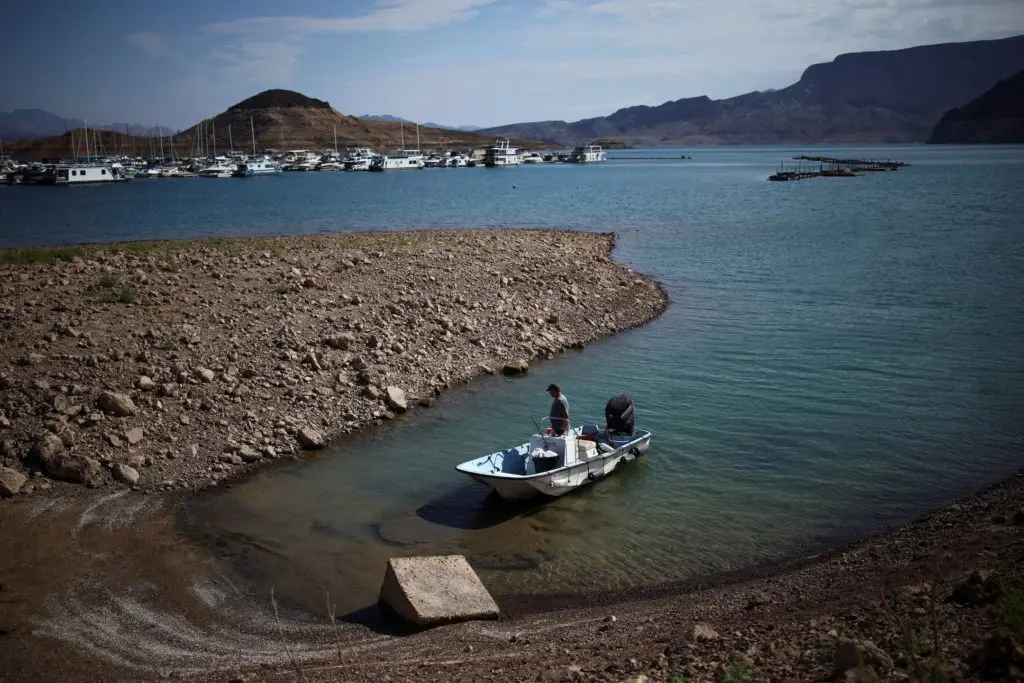
Emergency Measures Ripple Through Agriculture and Urban Areas
Mandatory water reductions are set to take effect soon across Arizona, Nevada, and California, marking one of the most significant conservation efforts in decades. The move comes as prolonged drought conditions have left key reservoirs at historically low levels, threatening both urban water supplies and agricultural output across the region.
Latest news
 Student Protests Sweep Across France Amid Rising Tensions
 Bulldozers Eradicate Ancient West Bank Groves
 Global Trade Friction Deepens at G20
 Morocco Appoints First Female Prime Minister in Historic Shift
The Colorado River, which serves over 40 million people, has seen its two largest reservoirs—Lake Mead and Lake Powell—drop to less than 30% of capacity. Federal officials declared a Tier 2 water shortage last month, triggering automatic cuts that will slash deliveries by up to 21% in some areas. Cities like Phoenix and Las Vegas are already implementing strict outdoor watering limits, while farmers face fallowing thousands of acres of cropland.
Water districts are scrambling to secure alternative sources, including recycled water programs and desalination projects. The Metropolitan Water District of Southern California has fast-tracked a $10 billion plan to import water from Northern California and build new storage facilities. Meanwhile, agricultural communities in the Imperial Valley are negotiating voluntary fallowing agreements to reduce consumption in exchange for financial compensation.
Can the West Adapt Fast Enough to Avoid Catastrophe?
State leaders are also pushing for long-term solutions. California Governor Gavin Newsom recently signed legislation allocating $5.7 billion for water infrastructure improvements, including groundwater recharge and watershed restoration projects. However, environmental groups argue that current conservation measures fall short of what’s needed to sustain the region through another decade of arid conditions.
Experts warn that climate change is intensifying the crisis, with rising temperatures accelerating evaporation rates and shrinking snowpack in the Rocky Mountains. The Bureau of Reclamation projects that water levels in Lake Mead could drop another 20 feet by this time next year, potentially triggering even deeper cuts.
Economists estimate that prolonged water shortages could cost the Western economy more than $14 billion annually if no major interventions occur. Some cities are exploring radical options, such as cloud seeding and atmospheric water generation, though these technologies remain unproven at scale.
The outlook remains grim, but regional cooperation and investment in sustainable practices may offer a path forward—if action comes swiftly enough.
Frequently Asked Questions
What triggers mandatory water cuts in the West? Federal drought contingency plans activate when Lake Mead drops below 1,075 feet above sea level, initiating automatic reductions based on reservoir levels and water delivery contracts.
How much water are cities losing to evaporation? Lake Mead alone loses roughly 1 million acre-feet annually due to evaporation, exacerbated by record-breaking summer temperatures exceeding 120°F in some areas.
Are there alternatives to dwindling surface water supplies? Yes, several states are investing in groundwater banking, recycled wastewater, and solar-powered desalination plants, though scaling these solutions requires significant funding and regulatory support.