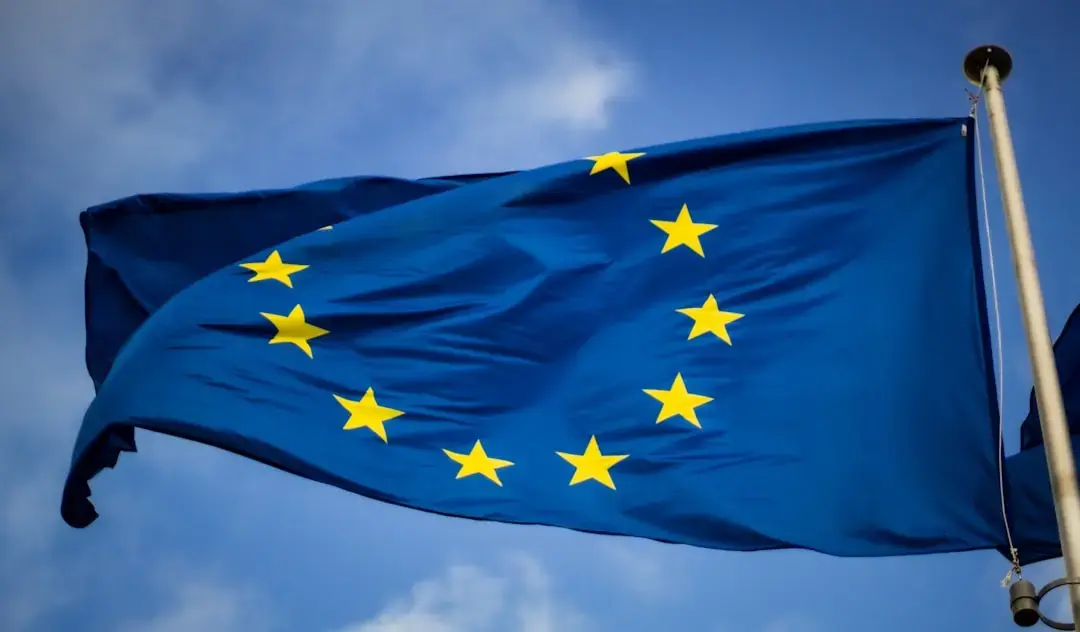
Kiel’s Flood Defenses Get Tested
Western Europe recorded its hottest June and July on record in 2026, with temperatures soaring above historic averages. The extreme heat coincided with a historic storm surge that battered coastal towns, including Kiel, Germany, prompting urgent adaptation measures. Scientists warn the trend marks a new climate baseline.
Latest news
 Swedish Voters Choose New Parliament as Left-Wing Coalition Projects to Win Majority
 Trump Announces End of US Tariff on Irish Whisky
 Frances Stonor Saunders, Author of CIA Cultural Espionage Exposé, Dies at 66
 Israel and Lebanon to Hold Security Talks in Rome This October
Meteorologists attribute the heatwave to a persistent high‑pressure ridge that trapped warm air over the continent. Simultaneously, rising sea levels amplified the storm surge, reaching heights not seen in the past 150 years. Local authorities responded by activating emergency plans, reinforcing flood barriers, and urging residents to conserve water. The dual threats underscore the urgency of climate‑resilient infrastructure.
Kiel, a port city on the Baltic Sea, faced the worst storm surge in a century and a half. Mayor Anja Müller declared the event a „wake‑up call” for the region. The city’s recently upgraded sea wall held, but several low‑lying districts still suffered flooding. Engineers report that the surge peaked at 4.2 meters, breaching older dikes that had not been upgraded since the 1970s. In response, the municipality accelerated a €300 million program to modernize coastal defenses, incorporating modular barriers that can be deployed quickly during extreme events. Residents now receive real‑time alerts via a new mobile app, allowing them to evacuate vulnerable areas within minutes.
Can Western Europe Keep Up With Climate Extremes?
Policymakers across the EU are debating whether current adaptation strategies can match the accelerating pace of climate change. A recent report from the European Environment Agency warns that many regions lack the financial resources to retrofit aging infrastructure. „We are buying time, not buying safety,” said Dr. Luis Ortega, a climate policy expert at the University of Brussels. The report recommends a shift toward nature‑based solutions, such as restoring wetlands to absorb floodwaters and planting urban trees to mitigate heat islands. However, funding gaps and bureaucratic delays threaten swift implementation. Some cities, like Amsterdam and Barcelona, have already piloted green roofs and permeable pavements, showing measurable temperature reductions and improved stormwater management.
The combined impact of record heat and unprecedented storm surges threatens agriculture, public health, and economic stability across Western Europe. If adaptation lags, the region could see more frequent power outages, crop failures, and displacement of coastal communities. Experts stress that coordinated investment, innovative engineering, and community engagement are essential to safeguard the future.
Frequently Asked Questions
What caused the record heat in June and July 2026? A persistent high‑pressure system trapped warm air over Western Europe, while rising global temperatures amplified the heat, leading to unprecedented summer temperatures.
How high was the storm surge that hit Kiel? The surge reached approximately 4.2 meters, surpassing any recorded level in the past 150 years and breaching older flood defenses.
What steps are cities taking to adapt to these climate extremes? Cities are upgrading sea walls, deploying modular flood barriers, implementing real‑time alert systems, and investing in nature‑based solutions like wetlands and green infrastructure to reduce heat and flood risks.