Chemical Persistence in Natural Ecosystems
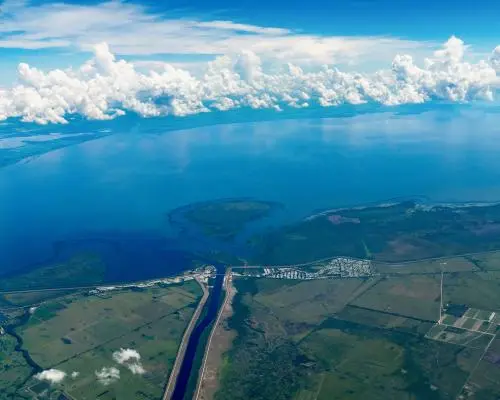
A recent analysis of federal data reveals that atrazine, a controversial herbicide, now contaminates nearly 25 percent of rivers across the continental United States. This chemical, which disrupts hormonal functions, affects approximately 860,000 miles of waterways. These findings raise significant concerns regarding the safety of both wildlife habitats and public drinking water supplies.
Latest news
 Why Diesel Prices Are Rising and What It Means for Europe
 Impact of Fossil‑Fuel Lobbying on U.S. Academic Freedom
 Serbian President Aleksandar Vucic Resigns as Prime Minister
 Macron Calls for Renewed European Courage Amid Pope’s Metz Visit
The scope of this pollution is extensive, impacting over 20 percent of all surface water intakes used for public consumption. Furthermore, the contamination reaches more than 675,000 private and commercial water sources. Atrazine remains widely used in American agriculture despite being banned in over 60 other nations due to its environmental and health risks.
Atrazine is frequently applied to corn and sorghum crops to control weeds. Because of its chemical stability, it easily washes into nearby streams and rivers during rainfall. Once in the water, the herbicide acts as an endocrine disruptor. This means it interferes with the natural hormonal systems of various aquatic species.
Could This Contamination Affect Human Health?
Scientists have observed that even low levels of this herbicide can cause developmental issues in wildlife. Frogs and other amphibians are particularly vulnerable to these chemical changes. The persistence of atrazine in the environment ensures that these risks remain constant throughout the growing season and beyond.
Public health experts are increasingly worried about the long-term consequences of chronic exposure. While current regulations set limits for atrazine in tap water, the sheer volume of contaminated rivers complicates filtration efforts. Many rural communities rely on groundwater or private wells that may lack the advanced technology needed to remove such persistent chemicals.
The widespread presence of this herbicide suggests that current agricultural practices may be incompatible with long-term water safety. Without stricter regulations or a shift toward safer alternatives, the chemical will likely continue to infiltrate the national water supply. Future efforts must prioritize protecting these vital resources from further industrial runoff.
Frequently Asked Questions
What is atrazine and why is it used? Atrazine is a common agricultural herbicide used primarily to prevent weed growth in corn and sorghum fields. It is favored by farmers for its effectiveness and relatively low cost.
Why is atrazine banned in other countries? Many nations have prohibited the chemical because of its ability to disrupt hormone systems in animals. Studies suggest these disruptions can lead to reproductive and developmental harm.
How does the herbicide reach drinking water? The chemical enters the water cycle through agricultural runoff when rain carries it from treated fields into nearby streams. It then travels through river systems, eventually reaching municipal and private water intakes.