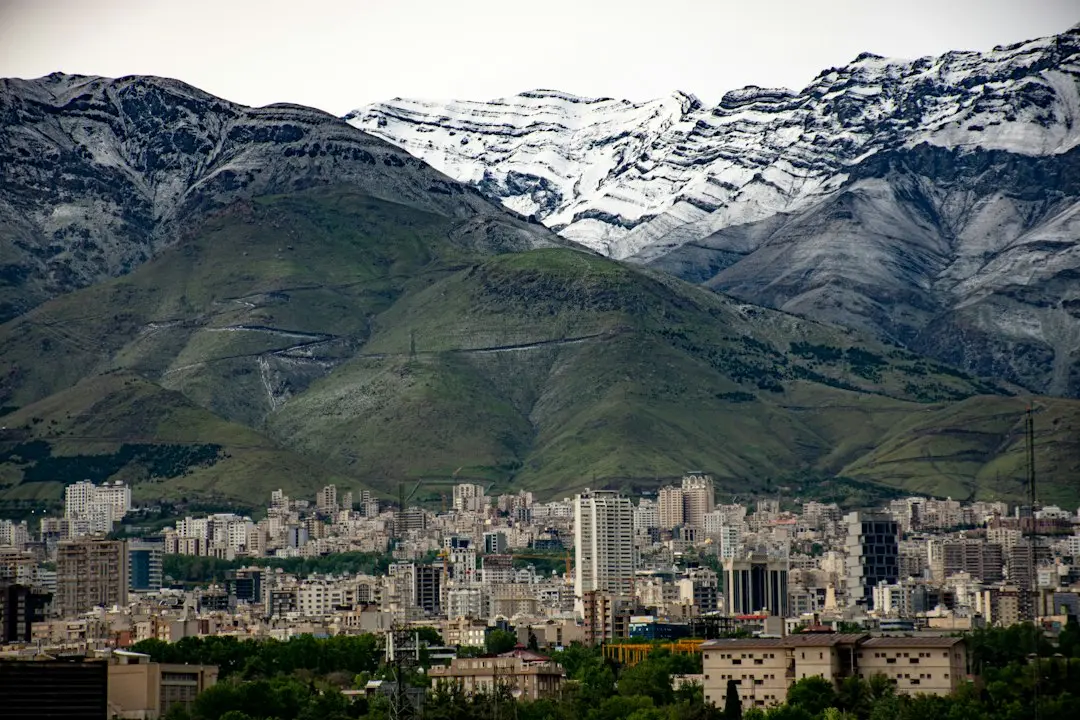
How Record El Niño Is Reshaping Global Weather Systems
Australian Prime Minister Anthony Albanese opened Climate Week in New York on September 21, 2026, joining global figures to discuss escalating climate impacts as record-breaking El Niño conditions intensify. The gathering precedes a critical United Nations summit where nations aim to strengthen emissions pledges amid worsening extreme weather patterns affecting vulnerable regions worldwide.
Latest news
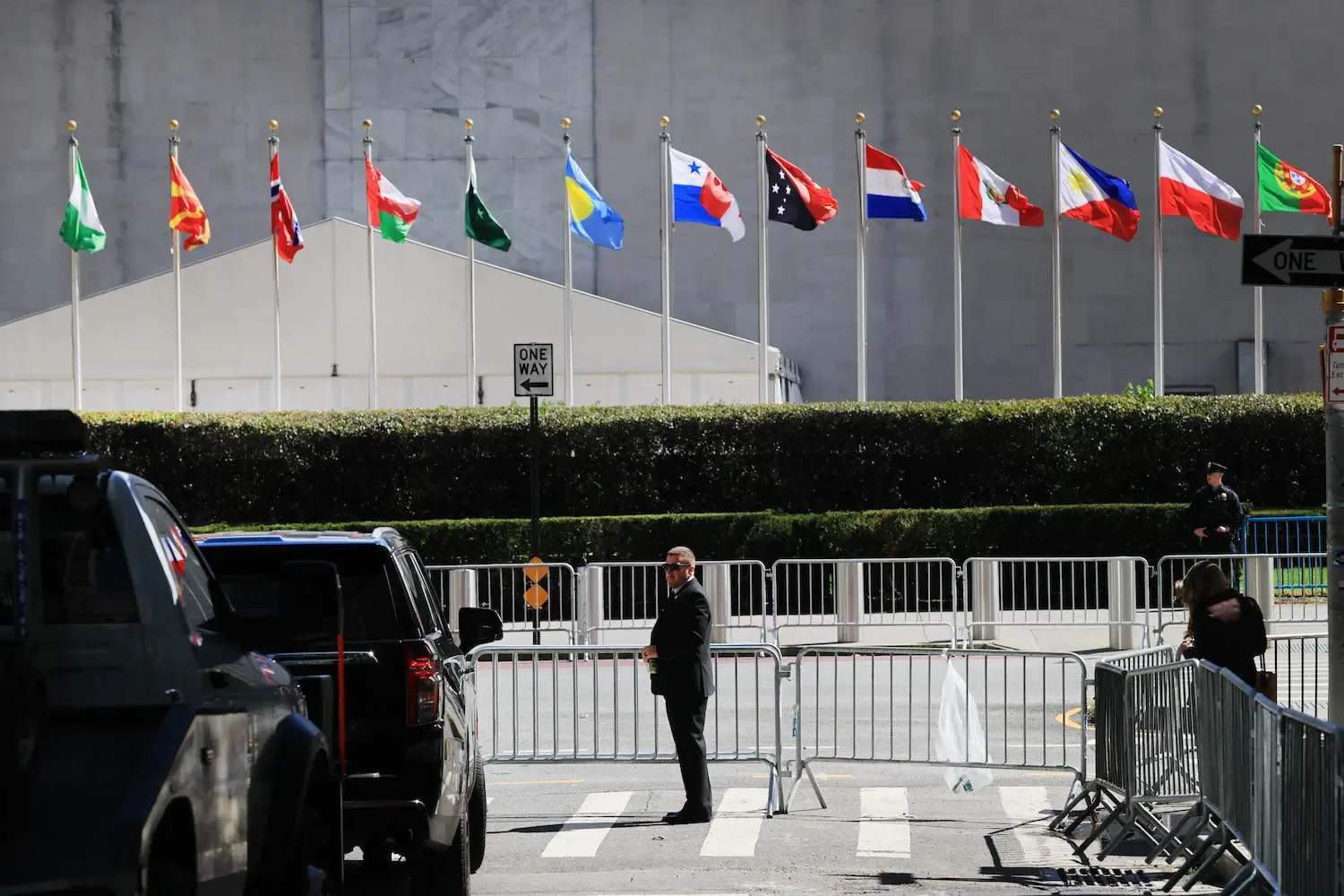 Global Diplomacy Prepares for the 2026 UN Leadership Transition
 Donald Trump Proposes Long-Term Security Oversight for Greenland
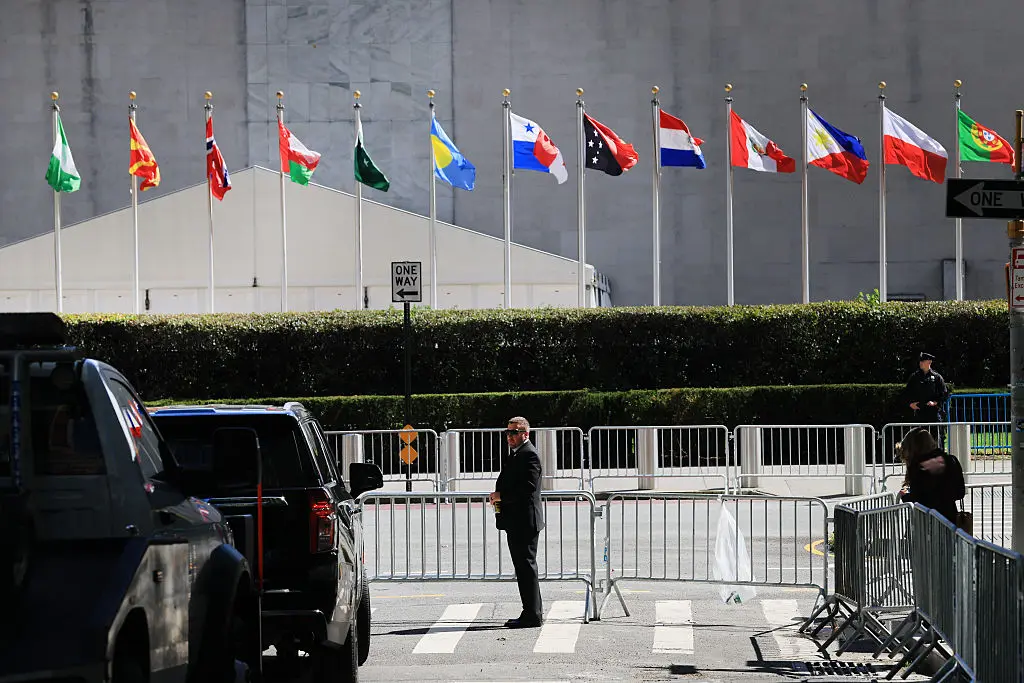 Tensions Escalate Between Washington and Tehran During UN General Assembly
 Stock Market Futures Hold Steady Following Strong Monday Rally
Albanese highlighted Australia’s recent bushfire seasons and coastal erosion, stressing that current adaptation measures fall short against accelerating sea-level rise and heatwaves. He called for urgent financing mechanisms to support Pacific Island nations facing existential threats, noting that Iceland’s Prime Minister shared similar concerns about glacial melt disrupting fisheries and renewable energy potential in the North Atlantic.
What Specific Actions Are Leaders Proposing for Vulnerable Coastlines?
Scientists confirm the 2025-2026 El Niño event ranks among the strongest ever recorded, triggering droughts in Southeast Asia, floods in East Africa, and unprecedented ocean heatwaves that bleached coral reefs across three continents. These conditions have amplified discussions about loss and damage funding, with developing nations demanding concrete commitments from historical emitters ahead of the UN negotiations.
Albanese announced Australia will pilot a national mangrove restoration initiative targeting 50,000 hectares by 2030 to buffer storm surges, while pledging technical support for similar projects in Fiji and Vanuatu. Iceland’s leader detailed plans to expand geothermal energy exports to Europe, arguing that scaling clean power access remains the fastest route to reducing fossil fuel dependence in island communities.
How does El Niño differ from long-term climate change? El Niño is a natural, temporary climate pattern involving Pacific Ocean warming that lasts months to a year, whereas climate change refers to persistent global shifts driven by human greenhouse gas emissions over decades; however, El Niño events can intensify background warming trends.
Frequently Asked Questions
Why are Pacific Island nations particularly at risk during strong El Niño years? These low-lying territories face compounded threats from El Niño-induced sea level spikes, stronger cyclones, and disrupted rainfall patterns, which together endanger freshwater supplies, agriculture, and coastal infrastructure already stressed by gradual ocean rise.
What immediate steps can wealthy nations take to assist climate-vulnerable countries? Experts recommend rapidly scaling grant-based adaptation finance, establishing pre-arranged disaster relief funds, and sharing technology for early warning systems and resilient agriculture—measures leaders urged to finalize before the UN summit’s conclusion.