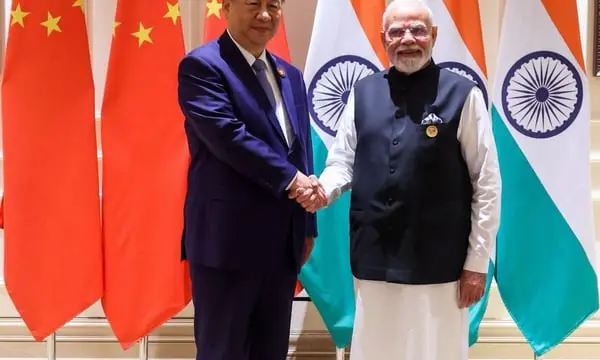
Limited progress amid persistent disagreements
Chinese President Xi Jinping traveled to New Delhi last month to attend the BRICS summit, marking his first visit to India in five years. The meeting with Prime Minister Narendra Modi took place amid ongoing border tensions and broader geopolitical shifts. While the summit provided a platform for dialogue, analysts caution against interpreting the engagement as a fundamental reset in bilateral relations.
Latest news
 US Steel Prices Surge to Four‑Year Peak Amid Trump Tariffs
 Wall Street's AI spending spree faces growing skepticism
 Geothermal Energy Gains Rare Bipartisan Support Amid AI-Driven Power Surge
 AI Sovereignty: Europe’s Bid to Catch Up with U.S. and China
Despite the cordial tone of the talks, core issues such as the disputed border in Ladakh remain unresolved. Both sides emphasized the importance of maintaining peace and tranquility along the Line of Actual Control, but no concrete steps were taken to address troop deployments or infrastructure buildup. Officials from both countries acknowledged that trust has not been fully restored, and the meeting was framed as a effort to manage differences rather than resolve them.
Can dialogue prevent future crises?
Indian and Chinese officials stated that the primary goal of the engagement was to avoid another military confrontation similar to the 2020 Galwan clash. Both nations have increased communication channels and agreed to continue diplomatic and military talks at various levels. However, experts note that without a mechanism to resolve territorial disputes, the risk of escalation persists, especially as both countries continue to strengthen their military presence in the region.
What were the main outcomes of the Modi-Xi meeting? The leaders agreed to maintain dialogue through existing diplomatic and military channels to prevent misunderstandings and reduce tensions along the border. No new agreements were signed, and the discussion focused on reaffirming commitments to existing protocols.
Frequently Asked Questions
Why do some analysts doubt a reset in relations? Analysts argue that the meeting did not address the root causes of tension, particularly the unresolved border dispute and competing strategic interests. The engagement is seen as tactical rather than transformative, aimed at crisis avoidance rather than reconciliation.
How might U. S.-India relations affect China’s approach? Some observers suggest that strains in India-U. S. relations could make New Delhi more open to engaging with Beijing. However, India’s strategic autonomy and its balancing act between major powers mean that any shift in ties with China remains conditional and limited.