
How Middle Powers Are Responding to US-China Tensions
Chinese President Xi Jinping is traveling to Washington this week for high-stakes diplomatic visit comes as the United States and China engage in high-level discussions about trade, technology, and regional security. The meeting occurs against a backdrop of growing economic friction and strategic competition between the two powers. European nations find themselves navigating a complex landscape where American trade policies shift unpredictably while China's manufacturing dominance continues to reshape global supply chains. Analysts suggest the outcome of these talks could significantly influence how middle powers position themselves in the evolving international order.
Latest news
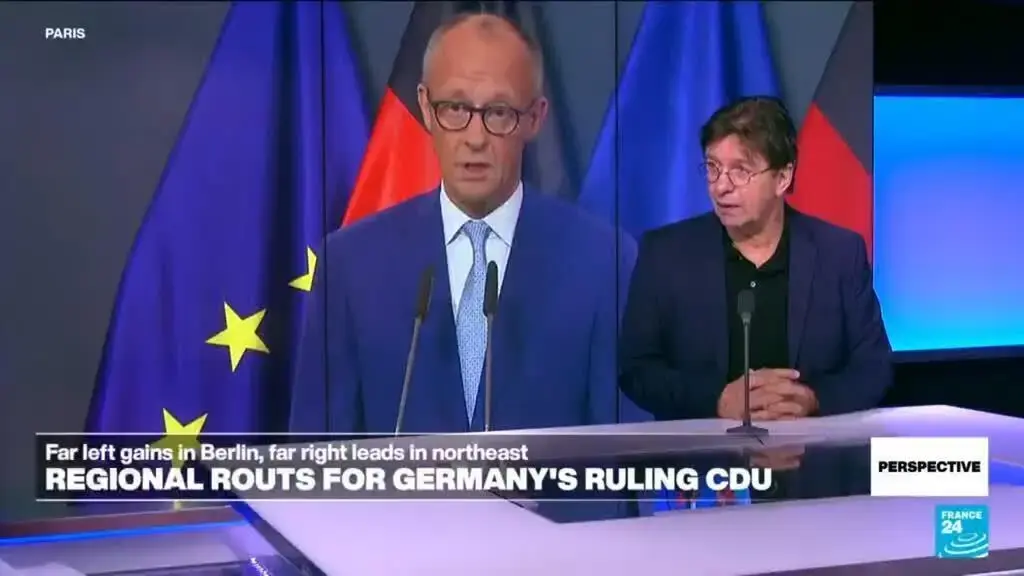 Professor Warns German Far‑Right Leader Is in a Precarious Spot
 Georgescu Detained on Fraud Charges After Presidential Bid
 EU Faces Deadlock Over French Push to Remove Russian Billionaire From Sanctions List
 Greek Stock Market Joins Global Elite Exchanges After Decade of Debt Crisis
Countries like Germany, Japan, and India are actively seeking to diversify their economic partnerships amid the US-China rivalry. Many are strengthening regional trade agreements while maintaining cautious engagement with both Washington and Beijing. European officials express concern that sudden changes in American tariff policies could disrupt their export-dependent economies. At the same time, they recognize the risks of over-reliance on Chinese manufacturing for critical goods. Diplomatic sources indicate that several middle powers are quietly enhancing their own strategic capabilities to reduce vulnerability to external pressures.
What Role Will Technology Play in Future Negotiations
Technology transfer and intellectual property rights remain central sticking points in US-China discussions. Both sides acknowledge the need for some level of cooperation in areas like climate change and pandemic prevention. However, deep mistrust persists over issues such as semiconductor access and artificial intelligence development. European tech firms report feeling caught in the middle, facing pressure to comply with conflicting regulatory demands from both powers. Some analysts argue that middle powers could leverage their neutral status to facilitate dialogue on technical standards where direct US-China talks have stalled.
Frequently Asked Questions
Why are European nations particularly affected by US-China trade dynamics? Europe's export-heavy economies and integrated supply chains make them highly sensitive to shifts in American trade policy and Chinese production capabilities, leaving them vulnerable to disruptions from either side.
Can middle powers truly remain neutral in the US-China rivalry? While complete neutrality is difficult, many middle powers are pursuing strategic autonomy by diversifying partnerships and building independent capabilities to reduce dependence on any single power.