
Why France Wants Usmanov Delisted
Paris seeks to have Alisher Usmanov taken off the European Union’s sanctions blacklist, but other member states remain hesitant. The move has sparked debate among capitals about the criteria for lifting restrictions on individuals tied to the Kremlin. Usmanov, a prominent Russian oligarch with extensive business interests, has been under EU sanctions since 2022 due to his alleged support for Russia’s actions in Ukraine. While France argues that the evidence against him no longer justifies continued sanctions, several Eastern European countries warn that delisting could undermine the bloc’s unified stance. German officials have called for a thorough review of the case, emphasizing that any decision must be based on clear, verifiable changes in behavior. The disagreement highlights growing divisions within the EU over how to manage sanctions policy amid shifting geopolitical realities.
Latest news
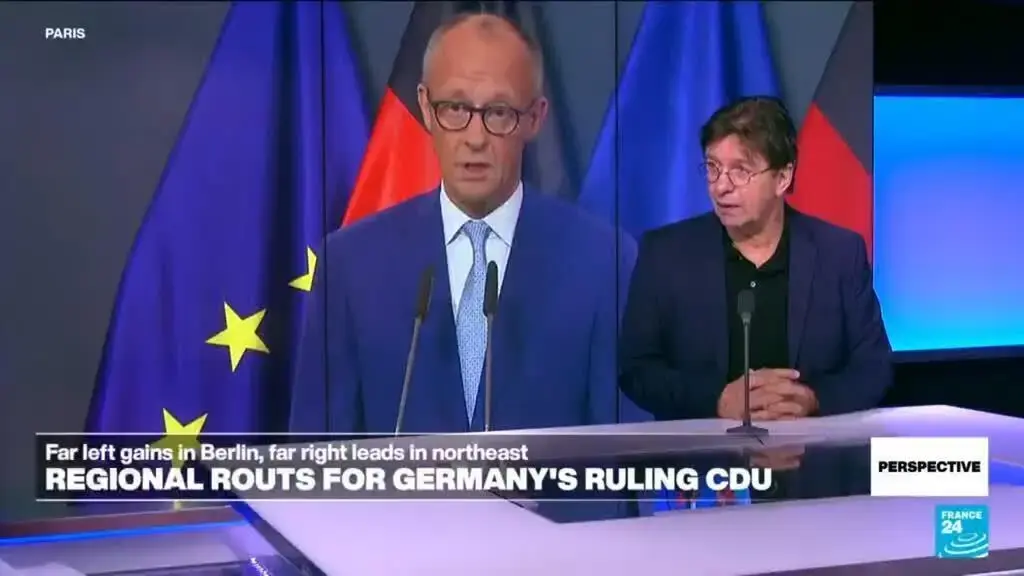 Professor Warns German Far‑Right Leader Is in a Precarious Spot
 Georgescu Detained on Fraud Charges After Presidential Bid
 Greek Stock Market Joins Global Elite Exchanges After Decade of Debt Crisis
 Saudi-led coalition bombs Taiz as Houthis gain ground
French officials contend that Usmanov has reduced his direct involvement in sectors deemed strategic to the Russian war effort, particularly in defense and energy. They point to his resignation from certain board positions and the sale of some assets as signs of diminished influence. Paris argues that maintaining sanctions on individuals who no longer pose a risk weakens the credibility of the measures and diverts focus from more active enablers of the conflict. French diplomats have quietly lobbied counterparts in Brussels, suggesting that a case-by-case reassessment could strengthen the sanctions framework by making it more dynamic and evidence-based.
What Are the Risks of Removing Him Now?
Critics within the EU warn that removing Usmanov prematurely could be interpreted as a sign of weakness, especially as Russia continues its military campaign in Ukraine. They argue that oligarchs like him still benefit from indirect ties to the Kremlin through family holdings and residual economic influence. Some experts note that his philanthropic activities and presence in European cultural circles complicate efforts to isolate him entirely. There is also concern that setting a precedent for delisting based on partial compliance might encourage others to make superficial changes while retaining core advantages. The debate underscores the difficulty of balancing punitive measures with diplomatic flexibility in a prolonged conflict.
Frequently Asked Questions
Who is Alisher Usmanov and why is he sanctioned? Alisher Usmanov is a Russian billionaire with investments in mining, telecoms, and sports. He was placed on the EU sanctions list in 2022 for allegedly supporting Russia’s invasion of Ukraine through his business activities and close ties to the Kremlin.
What would happen if Usmanov is removed from the sanctions list? If removed, Usmanov would regain access to frozen assets in the EU and could travel freely within the bloc. It would also signal a shift in how the EU evaluates the ongoing relevance of sanctions against individuals linked to Russia.