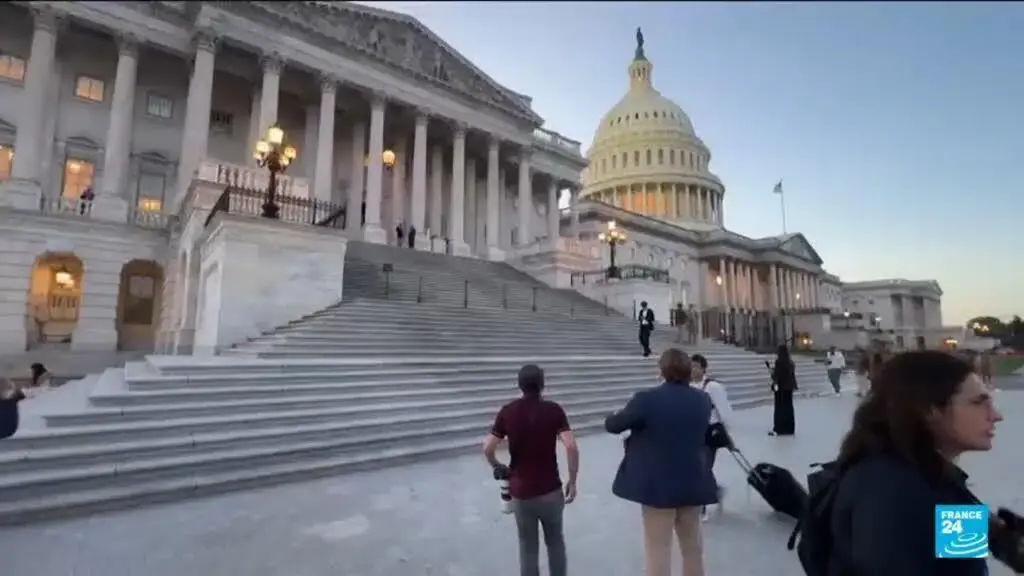
Scope of the Sanctions and Congressional Support
The United States Congress has passed a sweeping sanctions package targeting Russia and forwarded the measure to President Donald Trump. The legislation, approved by both the House and Senate, imposes new restrictions on Russian financial institutions, technology exports, and high‑profile individuals linked to the Kremlin. The bill was signed into law on Thursday, marking a significant escalation in U. S. pressure over Moscow’s actions in Ukraine and its interference in American elections.
Latest news
 UN Report Accuses US and Iran of Serious Human Rights Violations
 Canada Eyes EU Associate Membership Under Prime Minister Mark Carney
 Fiji Declares National Emergency Over Rapid HIV Surge
 Israeli Forces Detain Palestinian Journalist in Ramallah Raid
The bill expands existing sanctions by adding new sectors to the U. S. Treasury’s Specially Designated Nationals list. It also authorizes the Treasury to block assets of additional Russian officials and restrict the export of dual‑use technology to Russia. The legislation was introduced in the House by Representative Jim McGovern and in the Senate by Senator Tim Scott. Both chambers passed the bill with bipartisan support, reflecting growing consensus that Russia’s aggression requires a robust response.
Will the Bill Spur Further International Action?
The sanctions target key sectors of the Russian economy, including banking, energy, and defense. Several Russian banks will face new restrictions on their ability to transact with U. S. entities. The bill also bars U. S. companies from providing certain advanced software and hardware to Russian firms. In addition, the legislation names dozens of individuals, from oligarchs to government officials, who will be added to the sanctions list. The Treasury will be empowered to freeze the assets of these individuals and prohibit U. S. persons from engaging in transactions with them.
Congressional leaders highlighted the need to deter further Russian aggression. „This bill sends a clear message that Washington will not tolerate continued destabilization in Europe,” said Representative McGovern. Senator Scott added that the sanctions are a necessary step to protect U. S. national security and uphold international law. The bipartisan vote underscored a shared view that economic pressure is a key tool in countering Russia’s military and cyber operations.
The new sanctions are expected to encourage allies to tighten their own restrictions on Russia. European partners have already expanded sanctions on Russian banks and energy firms. The bill’s provisions for asset freezes and export controls may prompt the European Union and the United Kingdom to adopt similar measures. International bodies such as the G7 have expressed support for coordinated sanctions, citing the need to isolate Russia economically.
Frequently Asked Questions
The legislation also signals to the global financial system that U. S. sanctions will be enforced more rigorously. Banks and multinational corporations will need to review their compliance programs to avoid inadvertent violations. Analysts predict that the increased pressure could slow Russia’s ability to procure advanced technology and finance its military operations. However, some experts warn that Russia may seek alternative financial channels and markets outside the U. S. system.
The bill’s passage marks a turning point in U. S. policy toward Russia. By expanding sanctions, Washington aims to limit Moscow’s resources and deter further destabilizing actions. The long‑term effectiveness will depend on sustained enforcement and the willingness of other nations to join the effort. As the sanctions take effect, observers will watch for shifts in Russian strategy and the resilience of its economy.