Divided Party Lines Over Executive Power
The United States Congress recently approved a significant legislative package. This move grants President Donald Trump new tools to punish Russia. The bill targets major buyers of Russian energy products. It also authorizes additional punitive measures against the Kremlin. The legislation emerged after intense political debate within the chamber. Lawmakers from both major parties engaged in a prolonged struggle. The final vote marked a decisive moment in US foreign policy.
Latest news
 IMF Cuts Australia Growth Forecast Amid Rate Hike Warnings
 Nicaraguan Exile Journalist Luis Galeano Detained by U.S. ICE in Florida
 AI pioneer Yoshua Bengio warns of imminent crisis
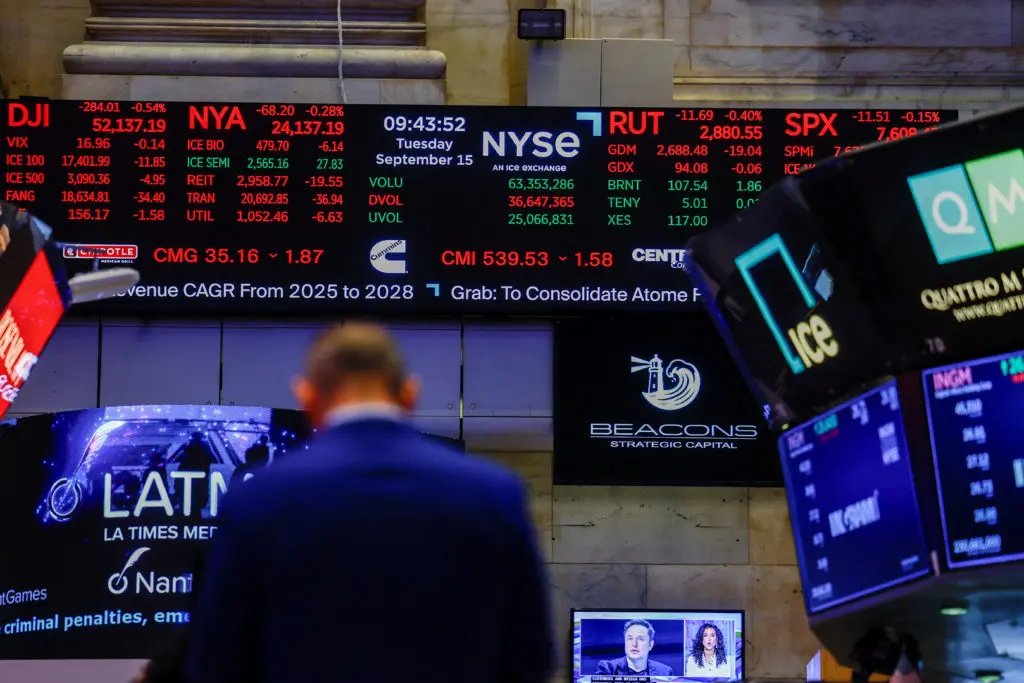 U.S. Stocks Slide After Fed Hike, With More Increases Likely Ahead
The proposed law is formally known as the Lindsey O. Graham Sanctioning Russia and Iran Act. It aims to tighten economic pressure on Moscow. The primary mechanism involves raising tariffs on nations that purchase Russian oil and gas. This strategy seeks to cut off vital revenue streams for the Russian government. Supporters argue that financial isolation is the most effective way to weaken the Kremlin. They believe that reducing Russia's ability to fund its military operations is crucial. The bill represents a shift toward more aggressive economic diplomacy. It reflects growing frustration with the lack of progress in diplomatic channels.
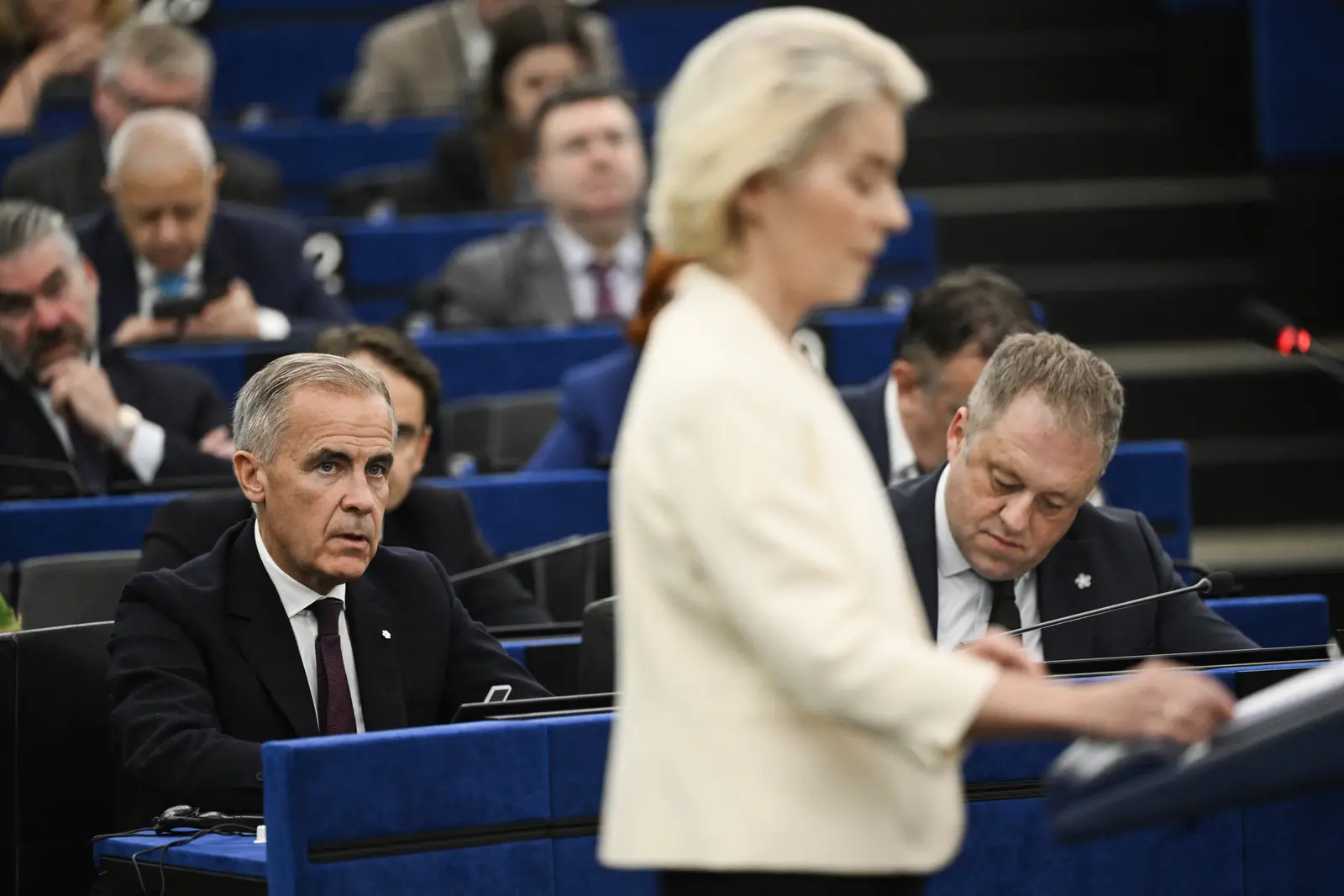
The passage of the bill was far from smooth. It created a deep rift among members of both the Democratic and Republican parties. While many lawmakers supported the idea of sanctioning Russia, others expressed serious concerns. Critics argued that the legislation handed too much unchecked power to the president. They feared that such broad authority could be misused or applied inconsistently. Some skeptics worried that the bill might undermine congressional oversight. They believed that Congress should retain more control over specific sanctions. This division highlighted the complex dynamics of modern US politics. Even allies of the administration found themselves at odds with one another. The debate revealed underlying tensions regarding the scope of executive power.
Will Economic Pressure Force a Change?
Proponents of the bill countered that flexibility is essential in a rapidly changing global landscape. They stated that waiting for Congress to pass new laws would be too slow. A president with immediate authority could respond more effectively to Russian actions. They pointed to the urgency of the situation as justification. The final compromise allowed for broader presidential discretion. This approach prioritized speed and adaptability over strict legislative control. The outcome satisfied neither camp completely. However, it provided a workable framework for future action. The bill now moves to the next stage of the legislative process.
The new sanctions authority raises questions about its actual effectiveness. Previous attempts to isolate Russia economically have had mixed results. Some analysts suggest that Russia has adapted to earlier restrictions. They note that trade routes have shifted to other countries. The new tariff provisions aim to close these loopholes. By targeting top buyers, the US hopes to create global pressure. This could force those nations to choose between Russian energy and US trade relations. The strategy relies on the interconnectedness of the global economy. It assumes that financial pain will eventually translate into political change.
Frequently Asked Questions
The outlook remains uncertain as the bill proceeds. Implementation will depend on the president’s willingness to use the new tools. International reactions will also play a critical role. Allies may face difficult choices regarding their energy imports. The coming months will reveal whether this legislative victory leads to tangible results. For now, the focus shifts to enforcement and diplomatic fallout. The stakes are high for both domestic and international stability.
What is the primary goal of the new bill? The main objective is to restrict Russian revenue. It does this by imposing tariffs on countries that buy Russian energy.
Does the bill apply to Iran as well? Yes, the legislation is titled the Sanctioning Russia and Iran Act. It includes provisions for both nations.