EU’s Stance on Sanctions and Security
The European Union has officially condemned a recent agreement between former U. S. President Donald Trump and Russian President Vladimir Putin, describing it as „concerning.” The condemnation came from the EU’s High Representative, Kaja Kallas, who addressed officials in Luxembourg on Tuesday.
Latest news
 Businessman Arrested in U.S. Over Alleged Venezuelan Bribery Scheme
 Bärbel Bas Resigns Amid Personal Tragedy and Intensifying Political Attacks
 Digger Faces Massive Loss After Box Office Flop
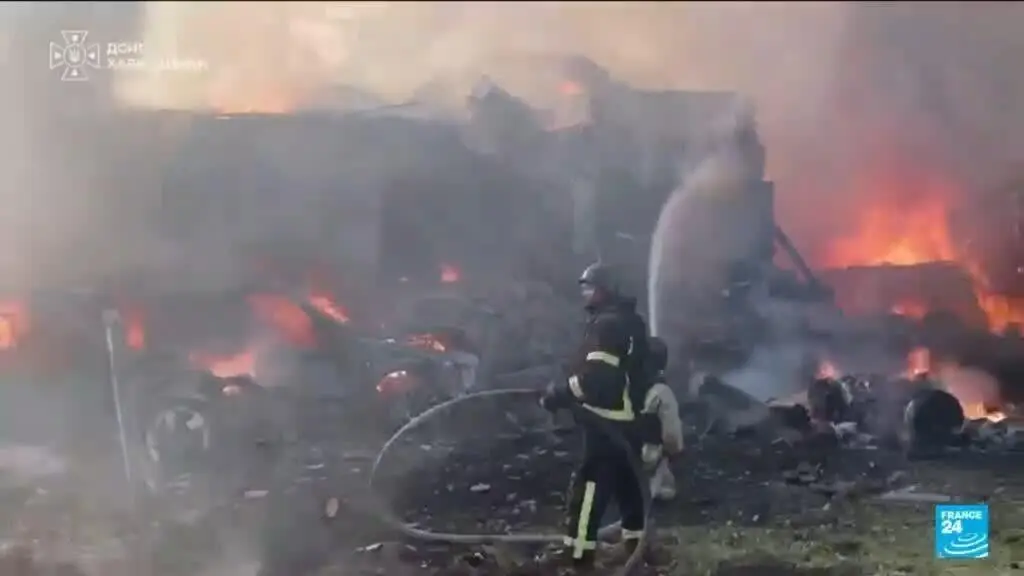 Zelensky says he found out about Trump's proposed energy ceasefire deal through news reports, not direct communication from the former U.S. president
In a statement released at 10:37 GMT+2, Kallas said the deal, which reportedly involved a diesel‑engine contract, undermines the EU’s security framework and the sanctions regime imposed on Russia. She added that the bloc will maintain its punitive measures against Moscow until it complies with international law and respects Ukraine’s sovereignty.
The dispute arose after Trump, who left office in 2024, allegedly negotiated a private arrangement with Putin that bypassed U. S. sanctions. EU foreign ministers, who had been monitoring the situation closely, expressed alarm at the potential erosion of collective security standards. The agreement, described as a „back‑door deal,” is believed to include a technology transfer that could benefit Russian defense capabilities.
Kallas emphasized that the EU’s sanctions policy is not negotiable and will remain intact. „We cannot allow any individual or state to undermine the collective security measures we have set,” she said. The European Council confirmed that the bloc will continue to enforce trade restrictions, asset freezes, and travel bans on Russian officials and entities linked to the conflict in Ukraine. EU leaders also pledged to review the sanctions list regularly to ensure its effectiveness.
How the Deal Could Impact the EU‑Russia Relationship
The statement comes amid growing concerns that Trump’s private dealings could set a precedent for other leaders to seek loopholes in international sanctions. EU officials warned that any relaxation of sanctions could embolden Russia and destabilize the region further. The European External Action Service has called for a coordinated response with NATO allies to counter any perceived weakening of deterrence.
Could the Trump‑Putin agreement strain diplomatic ties further? Analysts suggest that the EU’s firm stance may force Russia to reconsider its approach. „The EU’s refusal to back down signals a united front,” said a senior EU policy expert. The bloc’s continued sanctions could limit Russian access to critical technology and finance, potentially slowing its military modernization efforts. However, there is also concern that Russia might retaliate by tightening its own trade restrictions on European goods, which could hurt EU exporters.
The EU’s decision also reflects a broader strategy to maintain pressure on Russia while supporting Ukraine. By keeping sanctions active, the bloc aims to deter further aggression and encourage diplomatic solutions. The European Parliament is expected to debate the next phase of sanctions in the coming weeks, with a focus on expanding the list of targeted individuals and entities.
Frequently Asked Questions
The EU’s condemnation signals that it will not tolerate any attempts to undermine its collective security measures. The bloc’s commitment to sanctions remains firm, and it will continue to monitor the situation closely.
What sanctions are currently in place against Russia? The EU has imposed trade restrictions, asset freezes, and travel bans on Russian officials, businesses, and individuals linked to the Ukraine conflict.
Will the EU consider easing sanctions if Russia changes its behavior? The EU’s policy is to maintain sanctions until there is clear evidence of compliance with international law and respect for Ukraine’s sovereignty.
How might this affect EU‑Russia trade relations? The continued sanctions are likely to limit Russian access to European technology and finance, while Russia may respond with its own trade restrictions, potentially impacting EU exporters.