
Disrupting Global Energy Trade Networks
The United States Congress finalized a new legislative package this week aimed at tightening restrictions on the Russian economy. These measures specifically target Moscow’s inner circle and key financial sectors. The policy shift intends to further isolate Russia following ongoing geopolitical tensions, directly affecting international trade routes that have sustained the Kremlin’s wartime revenue.
Latest news
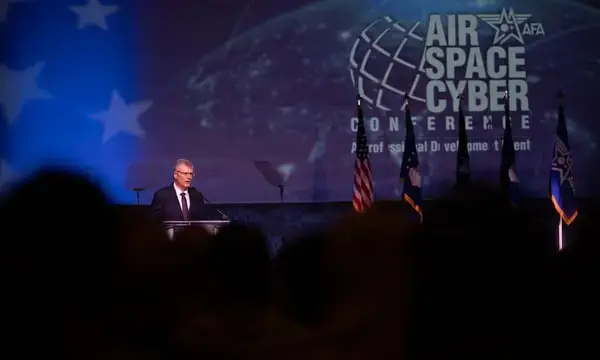 Space Security Landscape Deteriorates Rapidly Amid New US Deployments
 Wife of US Scholar Detained in China Urges Trump to Address Case During Summit
 Palestinian Man Dies in Israeli Custody After Year of Administrative Detention
 Sweden's Centre-Left Coalition Wins Election as Right-Wing Bloc Narrowly Defeated
The legislation focuses on disrupting the supply chains that allow Russia to bypass existing international trade barriers. By expanding the scope of secondary sanctions, Washington is now targeting entities that facilitate commerce with restricted Russian firms. This move creates significant legal risks for international partners who continue to purchase energy resources from Moscow.
Russia has maintained a steady flow of oil and gas exports despite extensive Western pressure. China and India have emerged as the primary buyers, absorbing vast quantities of these resources at discounted rates. These massive energy purchases have provided a critical financial lifeline for the Russian government, helping to stabilize its economy against previous rounds of punitive measures.
Will International Markets Comply with New Restrictions?
The new congressional action signals a shift in strategy by directly pressuring these major importers. By threatening to penalize foreign banks and logistics companies involved in these transactions, the United States hopes to force a reduction in trade volume. Analysts suggest this could create a difficult dilemma for Beijing and New Delhi, as they balance their energy needs against the threat of losing access to the American financial system.
The effectiveness of these sanctions depends heavily on whether global financial institutions choose to comply with the new American mandates. Many international firms are wary of being caught in the crossfire of escalating economic warfare between major powers. If these entities decide the risk of US penalties outweighs the profit from Russian trade, the Kremlin could face a severe liquidity crisis.
Frequently Asked Questions
However, the long-term impact remains uncertain as nations explore alternative payment systems to circumvent the dollar-based financial infrastructure. The coming months will reveal whether these sanctions successfully choke off Russian revenue or if they merely push trade further into the shadows. The international community is bracing for potential volatility in global energy prices as markets adjust to these strict new requirements.
What is the primary goal of the new sanctions? The legislation aims to cut off funding for the Russian government by targeting its inner circle and energy export revenue. It seeks to close loopholes that have allowed Moscow to maintain economic stability.
How do these measures affect China and India? Both nations are major importers of Russian oil and gas. The new rules threaten secondary sanctions on entities that continue these trades, forcing them to choose between Russian energy and access to US markets.