
Trump’s „Washington Arch” Warning Stirs Debate
New York City, New York — This week, heads of state and government gathered at the United Nations headquarters for the annual General Assembly. The meeting, held from September 18‑24, brings together more than 190 nations to discuss global security, climate change, and economic recovery. Former President Donald Trump, speaking at a separate rally in Washington, warned that the U. S. capital’s iconic „Washington Arch” could be transformed into a sprawling military complex if Congress approves new defense spending bills.
Latest news
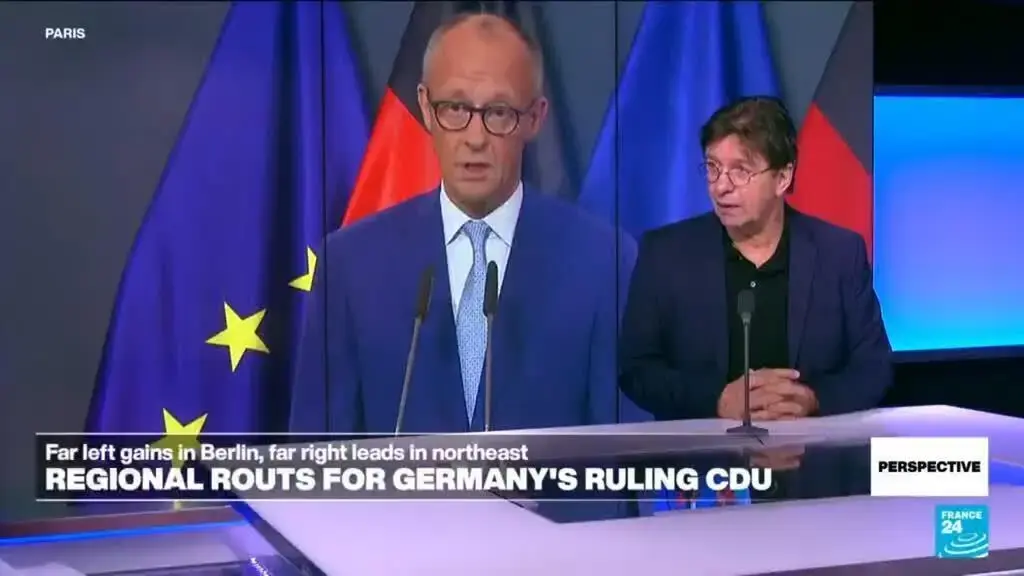 Professor Warns German Far‑Right Leader Is in a Precarious Spot
 Georgescu Detained on Fraud Charges After Presidential Bid
 EU Faces Deadlock Over French Push to Remove Russian Billionaire From Sanctions List
 Greek Stock Market Joins Global Elite Exchanges After Decade of Debt Crisis
Trump’s remarks came amid heightened tensions over the ongoing conflict in Ukraine and rising concerns about China’s expanding influence in the Indo‑Pacific. He argued that the United States must reinforce its strategic infrastructure, suggesting that the historic arch, a symbol of democratic ideals, might be repurposed to house advanced weapons systems and command centers. Critics say the proposal is symbolic rhetoric rather than a concrete plan, but the comment sparked a flurry of debate among policymakers and historians alike.
During his speech, Trump claimed that „if we keep ignoring the threats, Washington will become a fortress, and the arch will be the gateway to a new military era.” He cited recent budget proposals that allocate billions to modernize defense facilities across the capital. Supporters of the idea argue that bolstering security around the nation’s political core is prudent, especially after the 2021 Capitol attack. Opponents counter that converting a historic monument into a military site would erode democratic symbolism and could violate preservation laws.
Will the U. N. Push Back Against Growing Militarization?
Political analysts note that Trump’s comments align with his broader narrative of „America First” defense policy. They also point out that the U. N. General Assembly this year is focusing heavily on disarmament and conflict resolution, making his militaristic tone appear out of step with the diplomatic atmosphere in New York. Some diplomats warned that such statements could undermine multilateral efforts to de‑escalate tensions in Eastern Europe and the South China Sea.
The UN’s chief, António Guterres, emphasized that the General Assembly will adopt a resolution urging member states to prioritize peacebuilding and reduce arms proliferation. Delegates from European nations, along with representatives from ASEAN, have signaled strong support for a resolution condemning any move to militarize civilian landmarks. Meanwhile, U. S. ambassadors have remained silent on Trump’s remarks, focusing instead on the administration’s official stance that the arch will remain a cultural site.
Experts suggest that if Congress were to approve the defense budget without amendments, the „Washington Arch” proposal could gain traction in certain congressional committees. However, any actual conversion would require extensive legislative and judicial review, as well as approval from the National Park Service, which oversees historic monuments. The likelihood of such a transformation remains low, according to legal scholars, but the rhetoric reflects a broader trend of politicizing national symbols for security narratives.
The outcome of the UNGA and the domestic debate over the arch will shape the United States’ diplomatic posture for the coming year. While the General Assembly aims to reinforce multilateral cooperation, Trump’s warning underscores a domestic push toward heightened militarization. How these opposing forces reconcile could determine whether the United States leans more toward collaborative security or unilateral defense posturing.
Frequently Asked Questions
What is the „Washington Arch” that Trump referenced? The Washington Arch is a historic monument in the capital, symbolizing democratic ideals. Trump suggested it could be repurposed for military use if defense spending expands.
Will the UN General Assembly address the issue of militarizing historic sites? The Assembly will focus on broader disarmament and peace initiatives, but individual member states may raise concerns about any plans to militarize cultural landmarks.
Is there any legal pathway for converting the arch into a military facility? Such a conversion would require congressional approval, compliance with historic preservation laws, and likely a ruling from the courts, making it a complex and unlikely process.