Will Droughts Alter Yellowstone's Geysers?
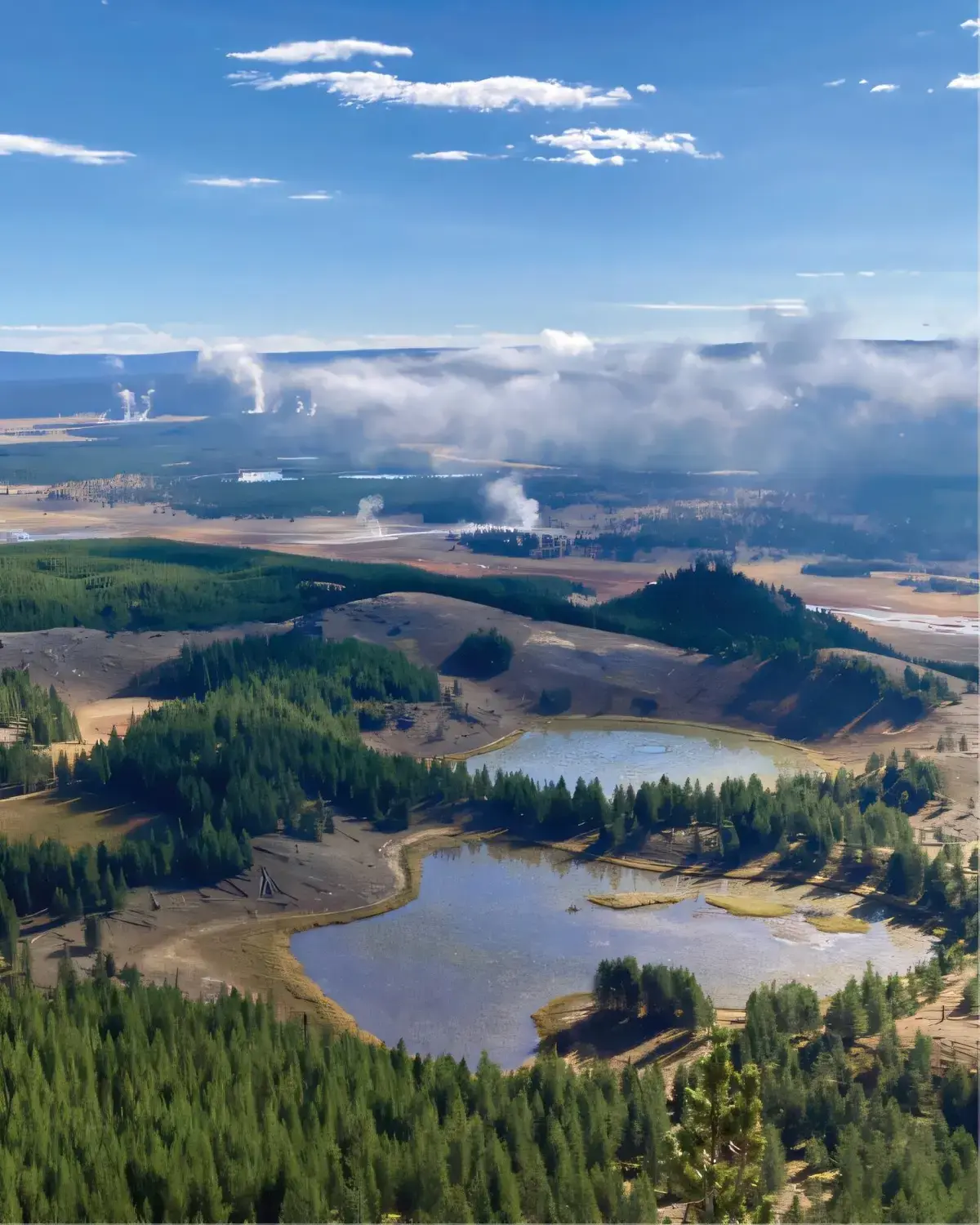
A recent study from Montana State University highlights how historical droughts in Yellowstone National Park could lead to decreased geyser activity and heightened wildfire occurrences. Researchers focused on sediment cores from lakes in the Lower Geyser Basin, the park's largest thermal area. The study sheds light on the relationship between climate conditions and hydrothermal activity. It suggests that past droughts have influenced the park's geothermal features, which could change in response to ongoing climate variations. Understanding these dynamics is crucial for predicting the park's ecological future.
Latest news
 Swedish Voters Choose New Parliament as Left-Wing Coalition Projects to Win Majority
 Trump Announces End of US Tariff on Irish Whisky
 Frances Stonor Saunders, Author of CIA Cultural Espionage Exposé, Dies at 66
 Israel and Lebanon to Hold Security Talks in Rome This October
The research team analyzed sediment cores, revealing that periods of drought corresponded with reduced geyser eruptions. This connection may indicate that as climate change progresses, Yellowstone could experience fewer geyser displays, altering the park's iconic landscape. The findings raise concerns about how these changes could impact tourism and the natural environment.
How Will Climate Change Shape Yellowstone's Future?
In addition to geyser activity, the study warns of increasing wildfire risks. Drier conditions could lead to more frequent and intense wildfires, threatening wildlife habitats and park infrastructure. The researchers emphasize the need for effective management strategies to mitigate these risks.
The implications of these findings are significant. If droughts become more common, the park's delicate ecosystems may struggle to adapt. This could lead to a shift in species distribution and biodiversity loss. Additionally, reduced geyser activity might alter the park's appeal to visitors, impacting local economies reliant on tourism.
As climate patterns evolve, monitoring changes in Yellowstone's hydrothermal features will be essential. The research underscores the importance of understanding historical trends to prepare for future challenges.
Frequently Asked Questions
What did the study reveal about geyser activity in Yellowstone? The study indicates that historical droughts have led to reduced geyser eruptions in the park. This trend may continue with ongoing climate change.
Why are wildfires a concern for Yellowstone? Drier conditions associated with climate change could increase the frequency and intensity of wildfires, posing risks to wildlife and park facilities.