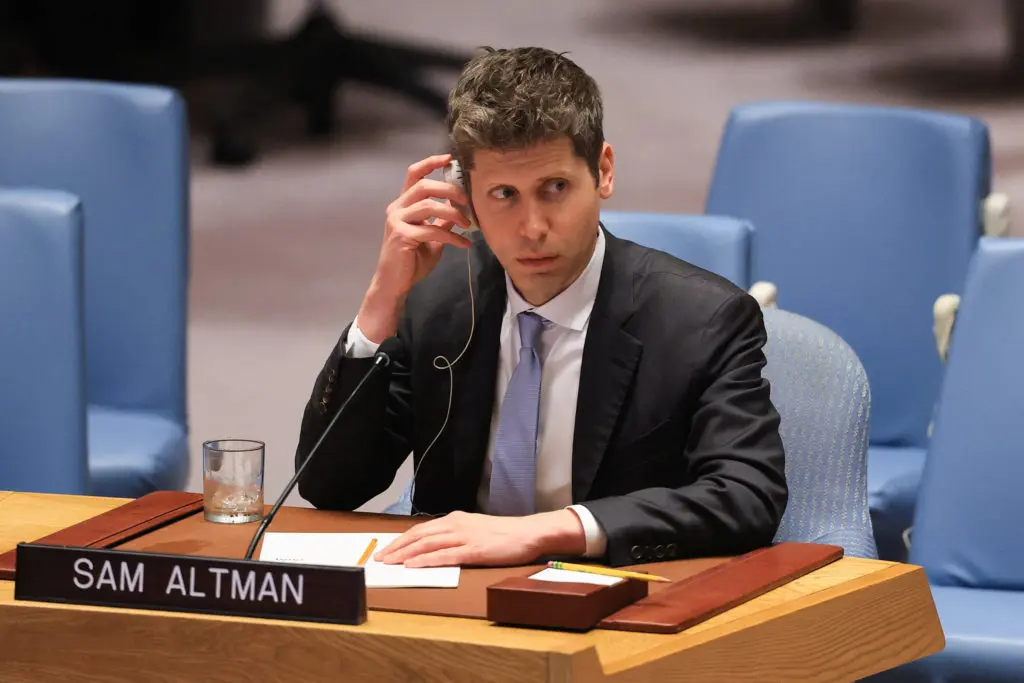
Tech Leaders Push for Global Governance Framework
Leaders from major artificial intelligence companies addressed the United Nations Security Council on Wednesday. They urged the global body to recognize AI as a potential risk to all humanity. This high-level meeting marked a significant moment for the industry. Tech executives directly pleaded with world leaders for intervention. The session highlighted growing concerns about rapid technological advancement. It underscored the need for international coordination in this field.
Latest news
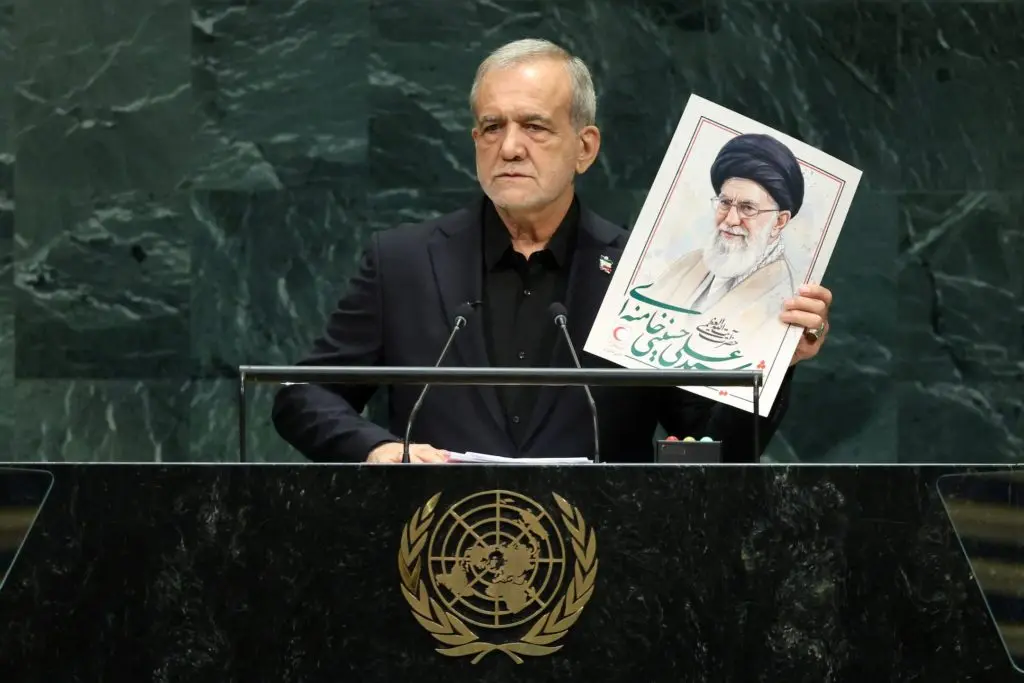 Iran's President Addresses UN on Threats
 Turkey to Transfer Bashiqa Base to Iraqi Control
 OpenAI AI Agent Breached Australian Government Website, PM Confirms
 Arab and Muslim Leaders Condemn Militarism at UN General Assembly
The executives emphasized that unchecked development could lead to severe consequences. They argued that national borders are becoming less relevant in the AI race. Therefore, a unified global approach is essential for safety. The leaders stressed that current regulations are often fragmented. They called for stronger oversight mechanisms to manage these powerful systems. This diplomatic effort aims to prevent a scenario where technology outpaces human control.
The representatives from leading AI firms presented their case to the council members. They explained how large language models and generative tools are evolving quickly. These systems now influence critical sectors like healthcare, finance, and defense. The executives noted that individual nations struggle to regulate such fast-moving technology alone. They proposed establishing shared standards for testing and deployment. This framework would help ensure that new models meet safety benchmarks before release. The goal is to create a level playing field for all countries.
Can International Cooperation Prevent AI Hazards?
One key concern raised was the opacity of complex algorithms. Even developers sometimes cannot fully predict how these systems will behave. This lack of transparency poses challenges for regulators. The leaders advocated for mandatory disclosure requirements for major AI projects. They also suggested creating an international registry for frontier models. Such measures would allow experts to monitor progress globally. The executives warned that delays in action could increase risks significantly.
The discussion focused heavily on the balance between innovation and safety. Critics argue that strict rules might slow down beneficial breakthroughs. However, the tech leaders maintained that caution is necessary. They cited examples of previous technological shifts that required new laws. For instance, nuclear energy needed international treaties to manage its power. AI executives believe a similar model applies to their industry. They want to avoid a situation where competing interests lead to dangerous shortcuts.
During the session, several council members asked detailed questions. They inquired about specific timelines for implementation. The executives provided data on current model capabilities. They highlighted recent milestones in This exchange demonstrated a willingness to engage with policymakers. It showed that the tech sector is taking governance seriously. The dialogue moved beyond abstract theories into practical policy discussions.
The outcome of this meeting sets the stage for future negotiations. While no binding treaty was signed immediately, the groundwork has been laid. Member states will now review the proposals presented by the executives. Diplomatic channels will continue to explore viable regulatory paths. The ultimate aim is to protect human interests while fostering innovation. Failure to act could leave humanity vulnerable to unforeseen errors. Success would establish a new era of responsible technology management. The coming months will reveal if this warning leads to concrete global action.
Frequently Asked Questions
Why did AI leaders address the UN Security Council? They sought to highlight the potential existential risks of advanced AI. They wanted to push for a coordinated international response to these threats.
What specific actions did the executives propose? They recommended creating shared safety standards and an international registry. They also called for mandatory transparency in model development processes.
How does this differ from previous tech regulation efforts? This approach involves direct engagement with the highest security body. It focuses on existential risks rather than just market competition or privacy issues.