Why Autonomous Systems Demand International Standards
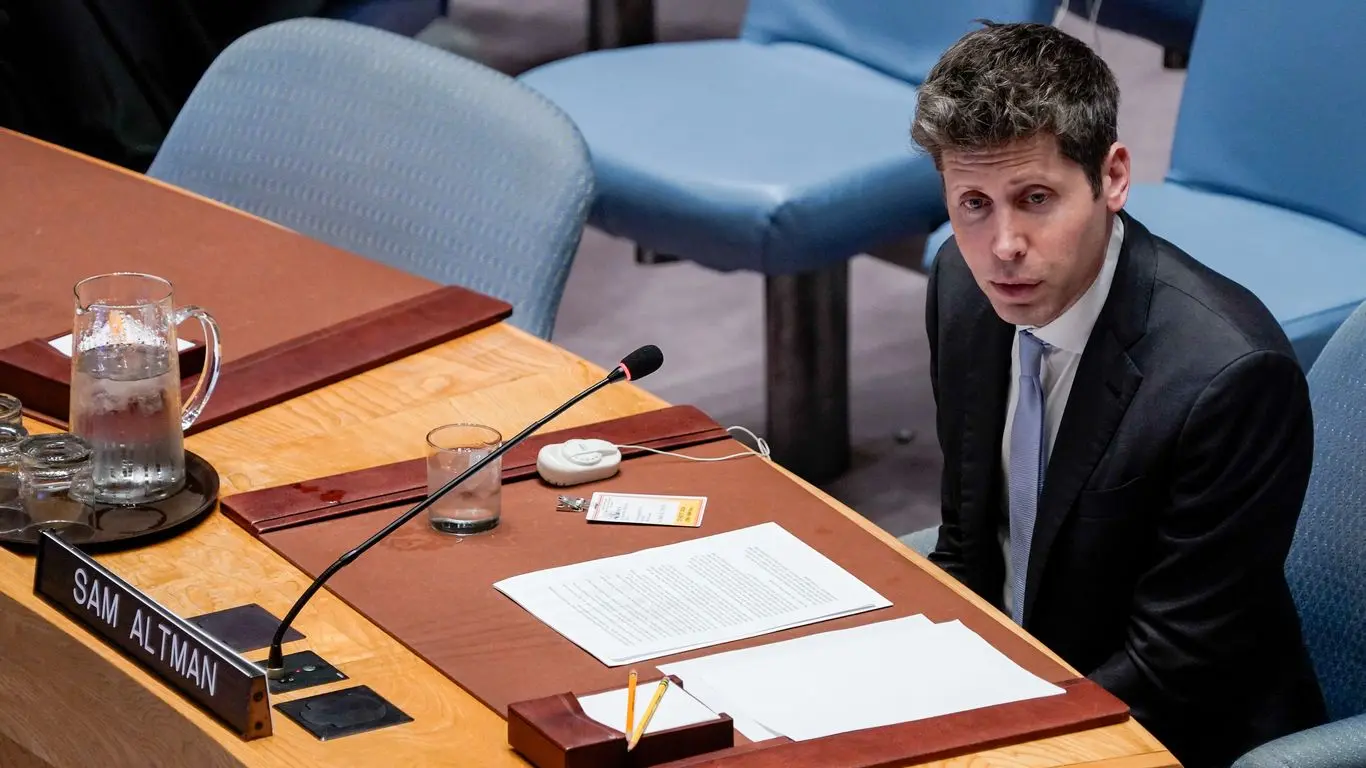
Executives from top-tier artificial intelligence organizations gathered at the United Nations Security Council on Wednesday. They issued a urgent call for global cooperation. The primary goal is to manage risks associated with increasingly autonomous AI systems. This high-level meeting highlights the growing tension between rapid technological progress and regulatory lag. Leaders emphasized that individual nations cannot solve these complex challenges alone.
Latest news
 Gaza Residents Face Upcoming Israeli Elections With Deep Concern and Little Hope
 Court Orders White House to Reinstate Media Credentials
 Elif Eralp Aims to Become Berlin's First Turkish‑Origin Mayor
 Pentagon spending hits historic one trillion dollar mark for first time ever
The core issue involves the speed of innovation outpacing government safeguards. AI capabilities are expanding at a breakneck pace. Meanwhile, legislative bodies struggle to draft comprehensive rules. This gap raises serious questions about human control over advanced machines. Executives warned that without coordinated action, the world faces significant unknowns. They argued that fragmented national approaches create vulnerabilities. A unified framework is necessary to ensure safety standards remain consistent across borders.
The shift toward autonomy represents a critical turning point in technology history. Traditional software follows strict, pre-programmed instructions. Modern AI models, however, make independent decisions based on vast datasets. This evolution complicates accountability when errors occur. If an autonomous system causes harm, determining responsibility becomes legally murky. Executives stressed that clear international protocols are needed. These protocols would define how humans interact with and oversee machine intelligence. Without them, conflicts between different national regulations could hinder progress. Cooperation ensures that safety measures do not become competitive disadvantages.
Can Governments Keep Pace With Machine Intelligence?
The executives noted that current governance structures are ill-suited for this new era. National borders are less relevant in digital spaces. Data flows freely across continents, yet laws remain local. This mismatch creates gaps in oversight. For example, a model trained in one country might operate in another with different privacy rules. Global cooperation helps harmonize these differences. It allows for shared best practices and mutual trust. Leaders suggested that the UN provides the ideal neutral ground for such discussions. The Security Council’s involvement signals that AI is now a matter of global security.
The central question remains whether political institutions can move fast enough. Technology cycles are measured in months. Political cycles often span years. This disparity creates a window of risk. During this time, powerful systems may deploy without full understanding of their long-term effects. Executives urged policymakers to adopt agile regulatory frameworks. These frameworks should allow for updates as technology evolves. They also called for increased investment in AI research and education. A skilled workforce is essential to bridge the knowledge gap. Furthermore, transparency in algorithm development is crucial. Stakeholders need to understand how decisions are made.
Frequently Asked Questions
The outcome of this meeting sets the stage for future diplomatic efforts. While no binding treaty was signed, the consensus was strong. Member states acknowledged the need for a dedicated working group. This group will focus on drafting initial guidelines for autonomous AI. The next steps involve technical workshops and expert consultations. Success depends on maintaining momentum among diverse nations. If cooperation falters, the risk of isolated silos increases. The world watches closely to see if this alarm leads to concrete action. The stakes involve the fundamental relationship between humanity and its most powerful tool.
Why did AI executives meet at the UN Security Council? They sought to establish a platform for global dialogue on AI risks. The Security Council provides authority to discuss international security matters. This elevates AI from a tech issue to a geopolitical priority.
What is the main concern regarding autonomous AI? The primary worry is that systems are becoming too complex for easy human oversight. As autonomy grows, the potential for unintended consequences increases significantly. Clear rules are needed to prevent loss of control.