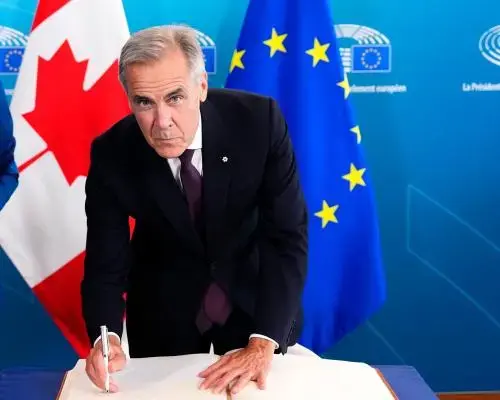
Strengthening Transatlantic Economic Ties
European Commission President Ursula von der Leyen recently featured former Bank of Canada Governor Mark Carney at her annual State of the Union address. This appearance in Strasbourg signaled a potential deepening of ties between the European Union and Canada, framing the North American nation as a key strategic partner for the bloc.
Latest news
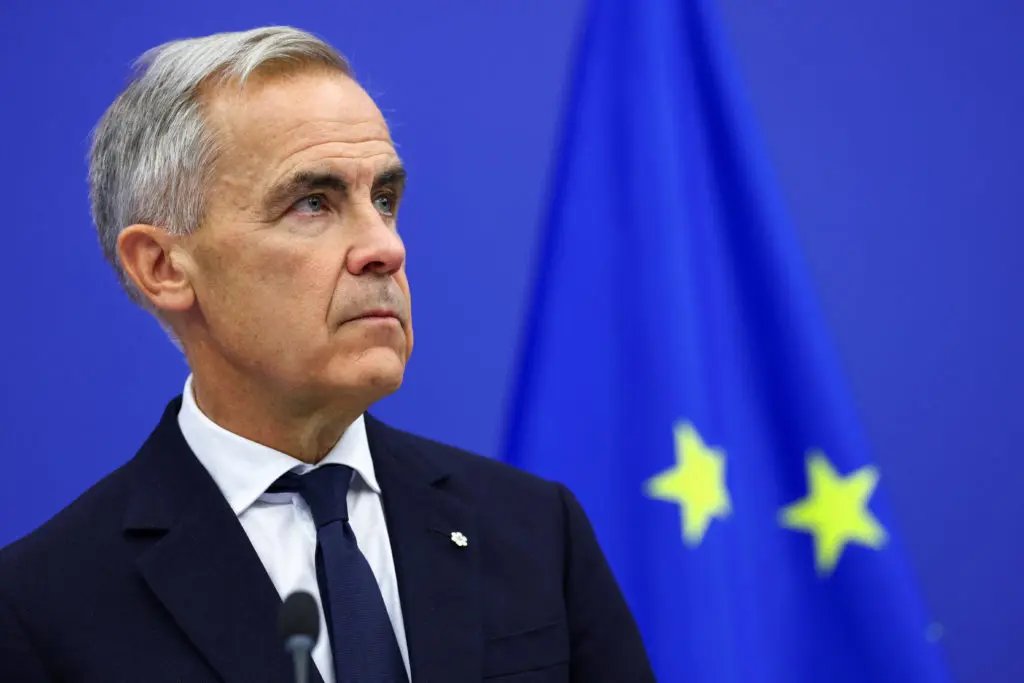 Mark Carney Embraces EU Associate Membership Amidst US Pressure
 German Finance Minister Calls for Tighter EU Tariffs on Chinese Cars
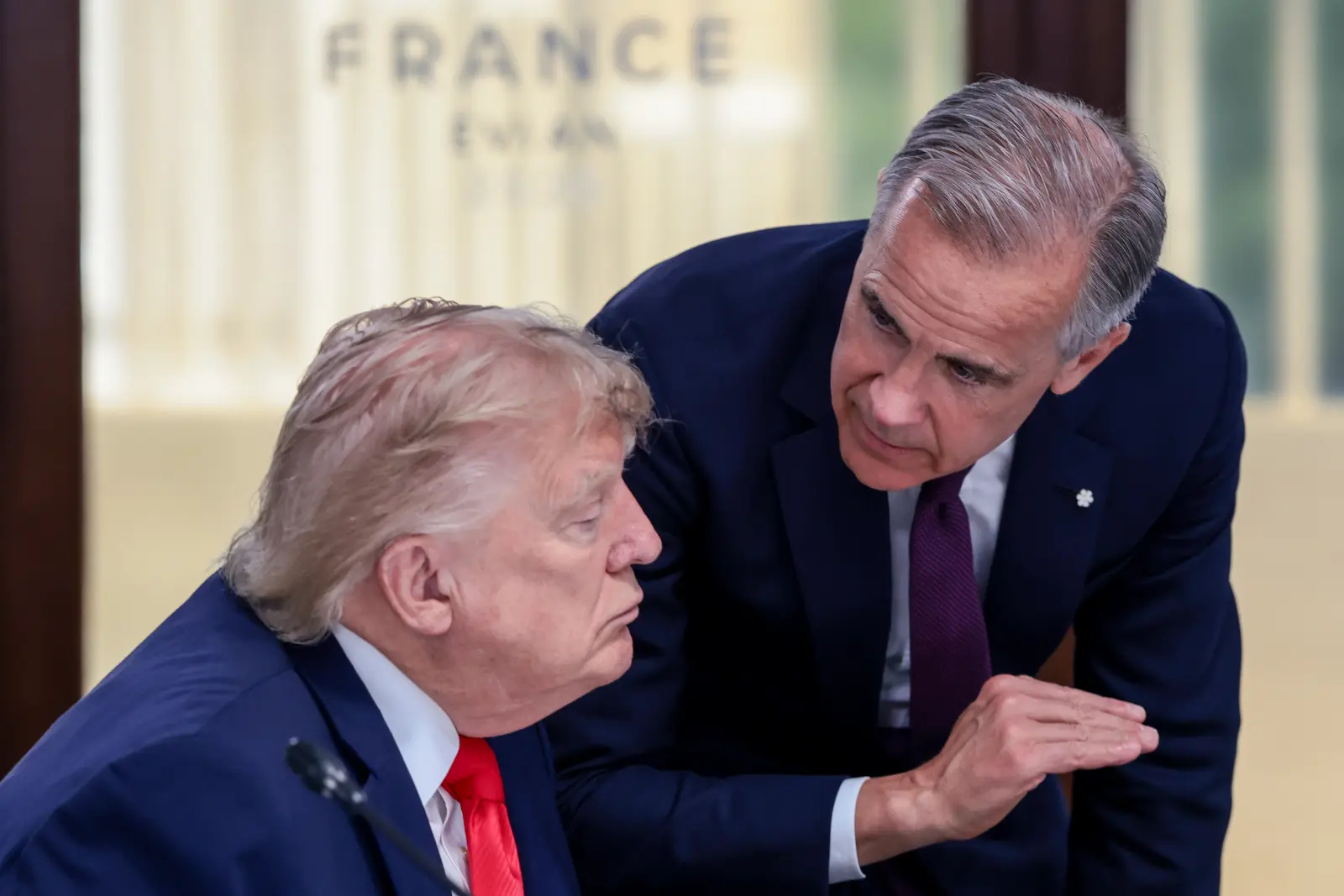 Carney Says Canada and EU Not Weather Allies as Trump Mocks Euro Threat
 Quantum Computer Confirms 48-Year-Old Mathematical Conjecture
The move comes as Canada navigates a challenging trade environment with its southern neighbor. By inviting Carney, a prominent figure in global finance, the European Union is highlighting its commitment to liberal democracies that share similar economic values. The gesture serves as a symbolic alignment against protectionist pressures currently reshaping global trade.
The concept of Canada becoming an associate member of the European Union has gained traction among certain political circles. Proponents argue that such a partnership would provide a much-needed morale boost for both sides. It would solidify a coalition of like-minded nations capable of resisting external economic bullying and political volatility.
Could This Partnership Redefine Global Alliances?
While the idea remains largely conceptual, it reflects a broader desire for closer cooperation. Analysts suggest that formalizing this relationship could streamline regulatory alignment and foster greater investment. For the European Union, Canada represents a stable, resource-rich ally that aligns with the bloc’s long-term sustainability and democratic goals.
Critics remain cautious about the practical benefits of such an arrangement. Beyond the symbolic significance, the actual integration of a North American country into European frameworks presents complex legal and logistical hurdles. Policymakers must now weigh whether this strategic pivot offers tangible economic growth or merely serves as a diplomatic statement.
Frequently Asked Questions
The future of this relationship will likely depend on how both parties navigate their respective trade disputes. If the European Union successfully integrates Canada into its orbit, it could set a precedent for future partnerships with other democratic nations. This experiment in transatlantic cooperation may ultimately reshape the global influence of the European bloc.
What is the primary goal of this potential partnership? The initiative aims to strengthen ties between the European Union and Canada to counter global protectionism. It seeks to create a unified front of liberal democracies sharing economic and political values.
Does this mean Canada will join the European Union? No, the discussion centers on a form of associate membership rather than full integration. This status would focus on strategic cooperation and trade alignment rather than total political union.