The Economic Calculus Behind Port Deals
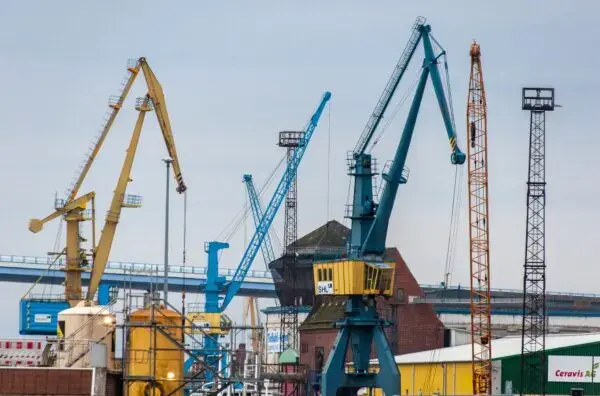
Chinese companies are increasingly involved with ports worldwide. This expansion raises complex economic, political, and security questions. These developments are happening now, impacting global trade routes and international relations. Jean-Marc F. Blanchard highlights these growing issues.
Latest news
 Ukraine Strikes Persist While Russian Polling Stations Open for Election
 Macron Calls French Party Leaders Together as Energy Costs Surge Amid Iran and Ukraine Conflicts
 US Voters Oppose War on Iran, 71% Say Trump Administration Lacks Strategy
 French President Warns of Rising Russian Hybrid Threats to Europe
China’s push into foreign ports isn’t new. It’s been steadily increasing over the last two decades. These investments span continents, from Africa to Europe and the Americas. The scale and speed of this expansion are now drawing scrutiny. Concerns center on potential debt traps, geopolitical leverage, and even security risks.
Chinese investment often targets ports in developing nations. These countries frequently lack the capital for major infrastructure projects. China offers financing, but often with conditions attached. Critics argue these deals can lead to unsustainable debt burdens for the host nation. This creates economic dependence on China. The terms of these agreements aren’t always transparent, fueling suspicion.
Could Ports Become Strategic Military Assets?
These ports are vital for global supply chains. Control over these key transit points gives China significant economic influence. Some analysts suggest this is a deliberate strategy. It aims to reshape global trade in China’s favor. However, proponents emphasize the benefits of improved infrastructure and increased trade for host countries. They claim these projects stimulate economic growth and create jobs.
The biggest anxieties revolve around security implications. While China maintains these are purely commercial ventures, others disagree. The same infrastructure used for civilian shipping could potentially support military operations. This dual-use capability is a major concern for the United States and its allies. They worry about China gaining a strategic foothold in key regions.
There’s debate over whether China intends to establish a network of naval bases. Some believe the ports could serve as logistical hubs for the People’s Liberation Army Navy. Others argue this is an overestimation of China’s ambitions. They point to the significant costs and political ramifications of militarizing these facilities. However, the potential for even indirect military support remains a serious worry.
The future of these port investments is uncertain. Increased scrutiny from governments and international organizations is likely. Host nations will need to carefully balance the benefits of Chinese investment with the potential risks. Transparency and adherence to international standards will be crucial. Failure to address these concerns could lead to further geopolitical tensions and economic instability.
Frequently Asked Questions
What is the primary concern regarding Chinese port investments? The main worry is that these investments could give China undue economic and strategic influence over vital global trade routes. Concerns also exist about potential debt traps for host nations.
Are these ports being used for military purposes? While China insists the ports are for commercial use, the dual-use nature of the infrastructure raises concerns about potential military applications. The possibility of logistical support for the Chinese navy is a key point of contention.
What can host countries do to mitigate the risks? Host countries should demand transparency in contracts and ensure the deals align with their national interests. They also need to diversify their economic partnerships to avoid over-reliance on China.