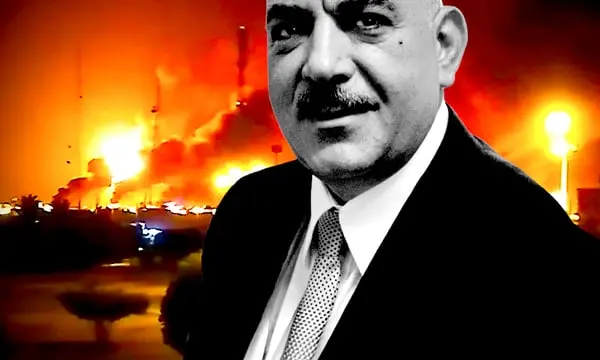
The Ripple Effects of Reduced Russian and Kazakh Exports
Dr. Anas Alhajji, a geopolitical energy analyst, joins host Tushar Shetty to explore how the Hormuz crisis is destabilizing global energy markets, compounded by the abrupt loss of Russian and Kazakh supplies. Their discussion highlights the cascading effects on pricing, supply chains, and regional energy security.
Latest news
 The Kingmakers of Israeli Politics
 Spain's pension system faces growing financial pressure despite not being bankrupt
 Israeli blockade prevents access to vital care for Gaza's amputees
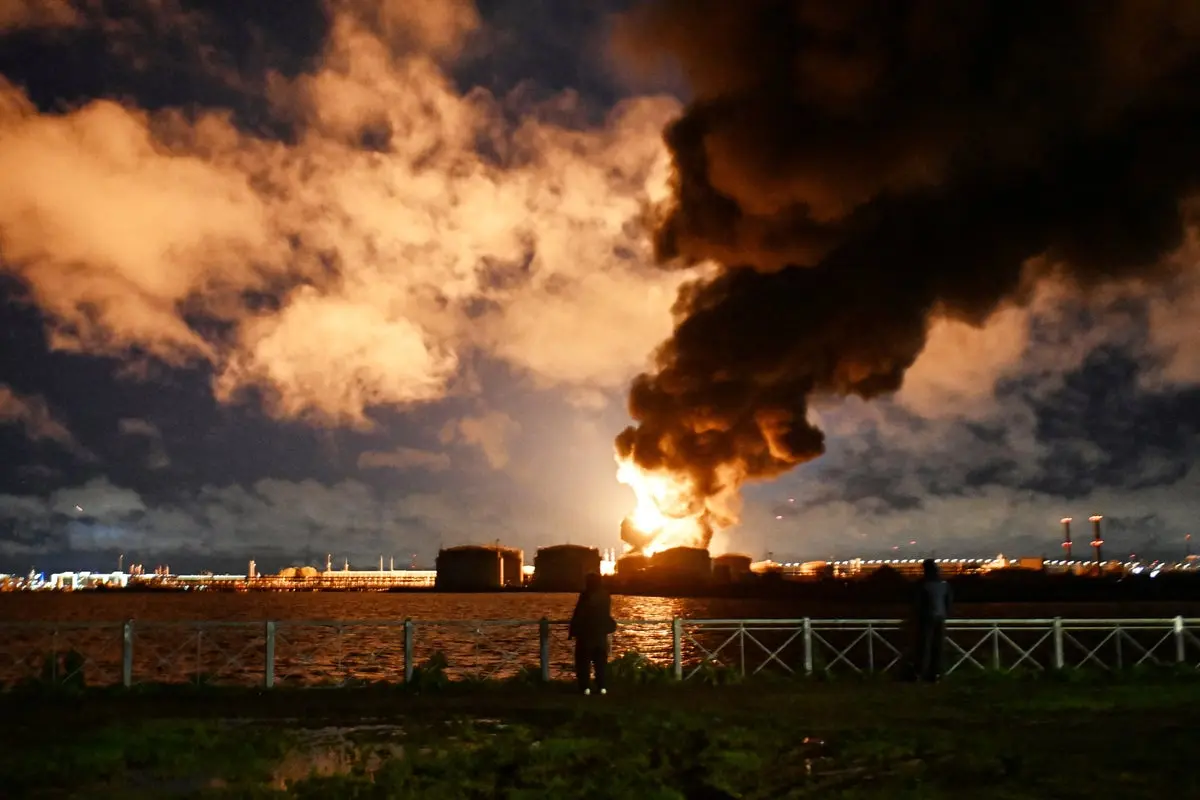 Ukraine Launches Massive Drone Assault on Russia, Incendiary Attacks Ignite Petrochemical Sites
The Strait of Hormuz, a critical chokepoint for oil and gas shipments, has become a flashpoint for tensions between Iran and regional rivals. Simultaneously, Russia’s invasion of Ukraine has disrupted exports from Kazakhstan, a major pipeline partner. Alhajji emphasizes that these dual shocks are forcing markets to scramble for alternative sources, exacerbating volatility. „We’re witnessing a perfect storm of supply constraints and geopolitical uncertainty,” he notes, underscoring how reduced Russian pipeline gas to Europe and Kazakh crude flows are straining traditional trade routes.
Europe’s reliance on Russian gas—once accounting for 40% of its needs—has collapsed, triggering a scramble for LNG cargoes and pipeline alternatives. Kazakhstan, a key supplier of oil via the Caspian pipeline, faces production declines due to sanctions and infrastructure bottlenecks. Alhajji estimates that these disruptions have removed roughly 5 million barrels per day from global markets, driving Brent crude to historic highs. „The market is pricing in scarcity premiums,” he explains, „but the real danger lies in the knock-on effects for energy-intensive industries.”
How Are Alternative Energy Routes Responding to the Crisis?
The energy race has intensified as nations pivot to the U. S., Qatar, and Africa for supplies. The U. S. has emerged as a top LNG exporter, though its capacity is limited by infrastructure constraints. Meanwhile, OPEC+ faces pressure to boost output, but production cuts by Saudi Arabia and Russia complicate efforts. Alhajji warns that while short-term fixes exist, long-term resilience requires diversification. „Countries are rethinking their energy strategies,” he says, „but building new infrastructure takes years.”
Looking ahead, the interplay between Hormuz tensions and supply shortages could redefine global energy geopolitics. Alhajji predicts sustained price volatility, with potential for further disruptions if Iran escalates its naval activities in the strait. „The next six months will be critical,” he concludes. „Markets must brace for a new era of uncertainty, where energy security is increasingly tied to fragile political alliances.”
Frequently Asked Questions
What are the primary reasons behind the current energy market instability? The crisis stems from the Hormuz blockade risks and the loss of Russian and Kazakh supplies, creating a dual shock to global oil and gas markets.
How are European economies adapting to reduced Russian gas? Europe is accelerating LNG imports, reviving coal plants, and investing in renewables, though these measures are costly and uneven.
Can alternative suppliers fully offset the shortfall? Short-term, yes, but long-term capacity gaps persist, particularly in pipeline gas, leaving markets vulnerable to future shocks.