How the Negotiation Strategy Targets the Hybrid Boom
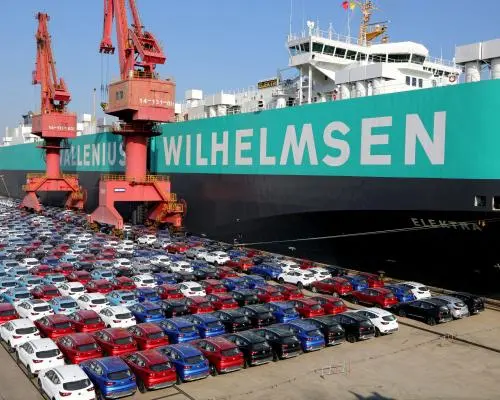
EU trade officials will travel to Beijing for a two‑day summit aimed at curbing the influx of inexpensive hybrid electric vehicles that contribute to Beijing’s daily trade surplus of about £1 billion. The delegation, led by Trade Commissioner Maroš Šefčovič, arrives on Wednesday to negotiate a comprehensive agreement that could reshape the automotive market in Europe.
Latest news
 French Students Face Harsh Crackdown During Nationwide School Protests
 Coalition Admits Immigration Policy Lacks Full Independent Costing
 Tony Wilson and the Factory Records Legacy Return to Cinemas
 Israel Marks Three Years Since the October 7 Hamas Attacks
The talks focus on limiting the export of hybrid cars from China, a sector that has seen rapid growth and is now a significant source of cheap imports for European consumers. By addressing this issue, EU negotiators hope to level the playing field for local manufacturers and reduce the trade deficit that Beijing enjoys daily.
Will China Agree to Restrictions on Hybrid Exports?
The EU’s approach centers on a set of tariff adjustments and technical standards that would make it more difficult for Chinese hybrid models to enter the European market. Officials plan to use data on sales volumes, price points, and environmental certifications to argue that the current influx is unsustainable. They will also seek commitments from China to improve transparency in its production and export processes, ensuring that all vehicles meet EU safety and emissions regulations.
Maroš Šefčovič has indicated that the delegation will push for immediate action, citing the need to protect domestic automakers who struggle to compete with the low‑cost Chinese offerings. „We are not looking for a blanket ban; we want a fair, transparent framework that encourages innovation while safeguarding our industry,” he said.
Frequently Asked Questions
The Chinese government has historically resisted external pressure on its automotive export policies. However, recent diplomatic exchanges suggest a willingness to negotiate, especially if the EU can offer reciprocal market access for Chinese goods that are not subject to the same scrutiny. The outcomes of these talks could set a precedent for how the EU handles other sectors where China outsells Europe.
If the agreement is successful, it would reduce the number of hybrid vehicles entering Europe by an estimated 30% over the next three years. This would likely lead to higher prices for consumers but could also spur investment in local hybrid and electric vehicle production, potentially boosting job creation in the sector.