
Navigating Persistent Inflationary Pressures
Kevin Warsh recently concluded his third Federal Open Market Committee meeting as Chair of the Federal Reserve. Held on September 15 and 16, this session focused on critical interest rate adjustments. The committee reached a unanimous decision to increase rates by a quarter percentage point to manage the current economic climate.
Latest news
 Former Syrian General Arrested Over Civil War Operations
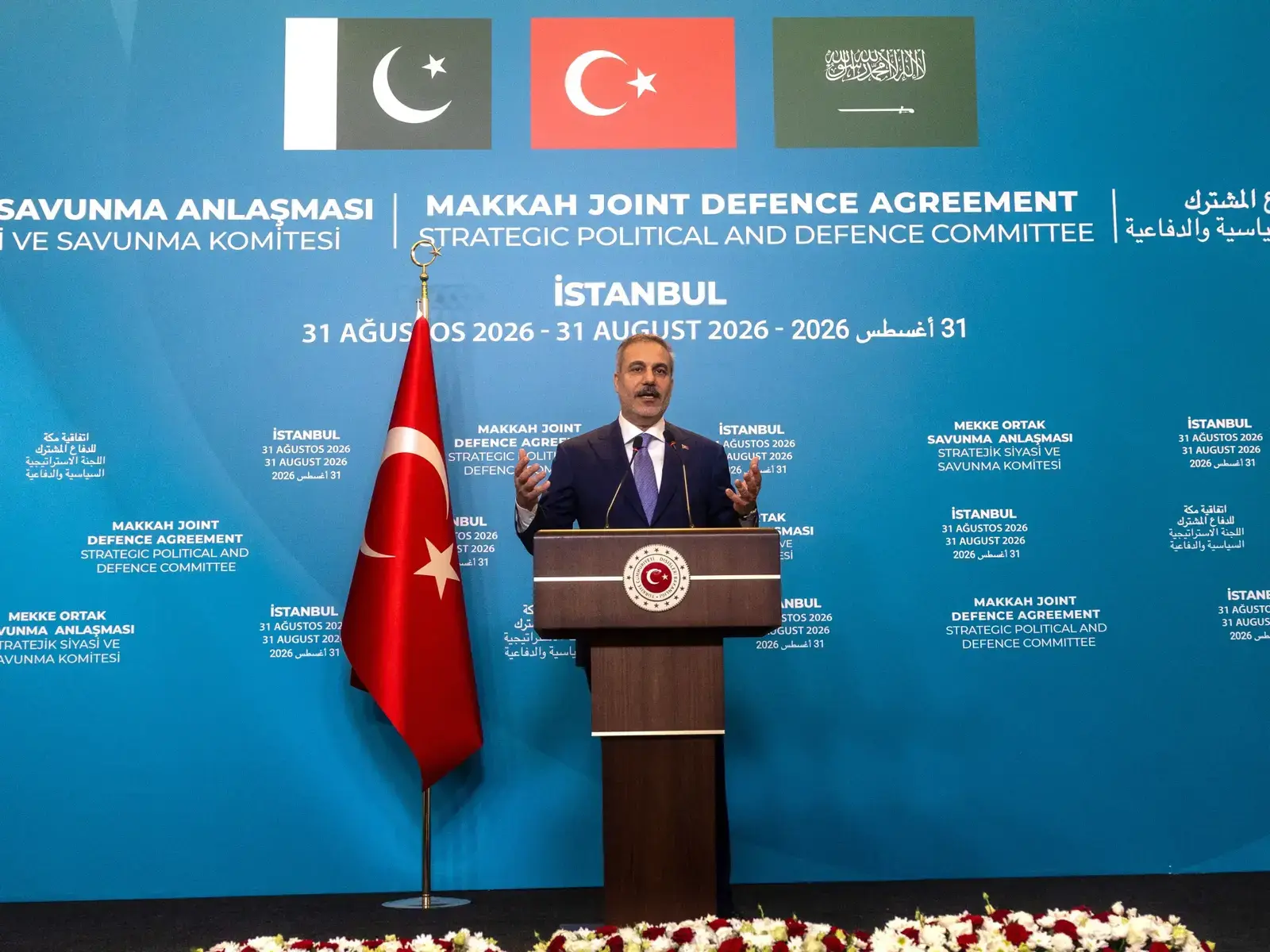 Turkiye pledges military support to Riyadh as Houthi threats rise
 Escalating Tensions in the West Bank Lead to Arrests and Property Damage
 Turkish Official Warns Israel Against Territorial Ambitions
The decision follows unexpected strength in August labor market data. Analysts had predicted a different outcome, but the robust jobs report prompted the central bank to act decisively. This move aims to curb persistent inflation while maintaining stability across the broader American financial landscape.
The Federal Reserve faces a delicate balancing act as it manages a century-old institution. Warsh is tasked with steering the economy through stubborn inflationary trends and sudden market shocks. By raising interest rates, the committee intends to cool down overheating sectors without triggering a significant recession.
Can Monetary Policy Restore Market Equilibrium?
The unanimous vote signals a unified approach among policymakers regarding the current path of monetary policy. Officials are closely monitoring consumer spending and wage growth to determine future adjustments. The goal remains a soft landing that preserves employment gains while restoring price stability for everyday Americans.
The effectiveness of these rate hikes depends on how quickly businesses and consumers adjust their borrowing habits. Higher rates typically increase the cost of credit, which can dampen investment and slow down expansion. However, the Fed views these measures as essential tools to prevent long-term economic damage.
Frequently Asked Questions
Looking ahead, the committee will continue to evaluate incoming data before every meeting. If inflation remains high, further adjustments may be necessary to meet the Fed’s long-term targets. The coming months will reveal if these strategic interventions successfully stabilize the national economy.
What was the primary reason for the latest rate hike? The committee raised rates because August jobs data showed unexpected strength. This move is designed to combat persistent inflation and stabilize the economy.
How does the Federal Reserve influence the American economy? The Fed sets interest rates that dictate borrowing costs for consumers and businesses. These decisions directly affect spending, investment, and overall economic growth.