The Symbolic Weight of Early Oil Samples
When oil was first discovered off Scotland's northeast coast in September 1969, industry folklore recalls a duty superintendent carefully pouring the crude into a pickle jar taken from the rig's canteen. He brought it to Amoco's Great Yarmouth office in Norfolk, where it was emptied into an ashtray, sniffed, and then set alight to confirm its quality. This modest beginning marked the start of what would become a cornerstone of the UK's economy for decades.
Latest news
 Swedish Voters Choose New Parliament as Left-Wing Coalition Projects to Win Majority
 Trump Announces End of US Tariff on Irish Whisky
 Frances Stonor Saunders, Author of CIA Cultural Espionage Exposé, Dies at 66
 Israel and Lebanon to Hold Security Talks in Rome This October
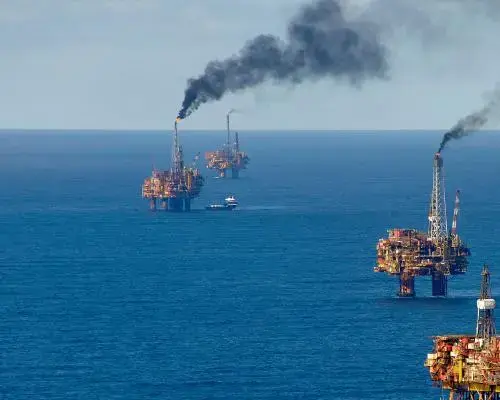
The North Sea oil boom transformed Britain's energy landscape, creating jobs, generating tax revenue, and establishing the country as a significant producer. Platforms like Foraj and Burnham became symbols of industrial prowess, with their output fueling national growth. However, declining reserves, aging infrastructure, and shifting energy policies now cast doubt on the sector's long-term viability. The discovery that once promised prosperity now faces scrutiny as the UK navigates its transition toward cleaner energy sources.
Can the North Sea Adapt to a Post-Oil Era?
That initial pickle jar test, though informal, became a ritual of sorts in the early days of North Sea exploration. Workers would often repeat the sniff-and-burn method to assess crude quality before formal lab analysis was available. These makeshift practices reflected both the urgency and ingenuity of the time, as companies raced to exploit the newly found resources. The act of validating oil with simple tools underscored how pioneering the era was, blending raw determination with emerging technical expertise.
As global pressure mounts to reduce fossil fuel dependence, the UK government grapples with balancing energy security and climate commitments. While some advocate for extending the life of existing fields through new technology, others argue for a managed decline to meet net-zero targets. The fate of platforms like Foraj and Burnham now hinges not just on geological factors, but on political will, investment decisions, and the pace of renewable energy adoption. Their legacy as economic totems may endure, but their operational future remains uncertain.
What made the North Sea oil discovery so significant for the UK? It transformed the nation into a major energy producer, delivering substantial economic benefits through jobs, tax income, and energy independence during a period of industrial transition.
Frequently Asked Questions
Why are platforms like Foraj and Burnham considered symbolic? They represent the peak of Britain's offshore oil ambition, embodying both the technological achievement and cultural pride associated with the North Sea boom era.
Is there still viable oil left in the North Sea? While reserves are declining, technological advances have extended the life of some fields, though production levels are a fraction of their peak decades ago.