
The Erosion of Industrial Dominance
Germany’s long-standing industrial model is currently under intense pressure as the nation grapples with stagnant growth and rising political volatility. As the far-right Alternative for Germany (AfD) party gains significant momentum, the government faces a daunting race to revitalize its economy before public frustration with the status quo reaches a breaking point.
Latest news
 Meta Faces Massive Legal Action Over Child Safety in Australia
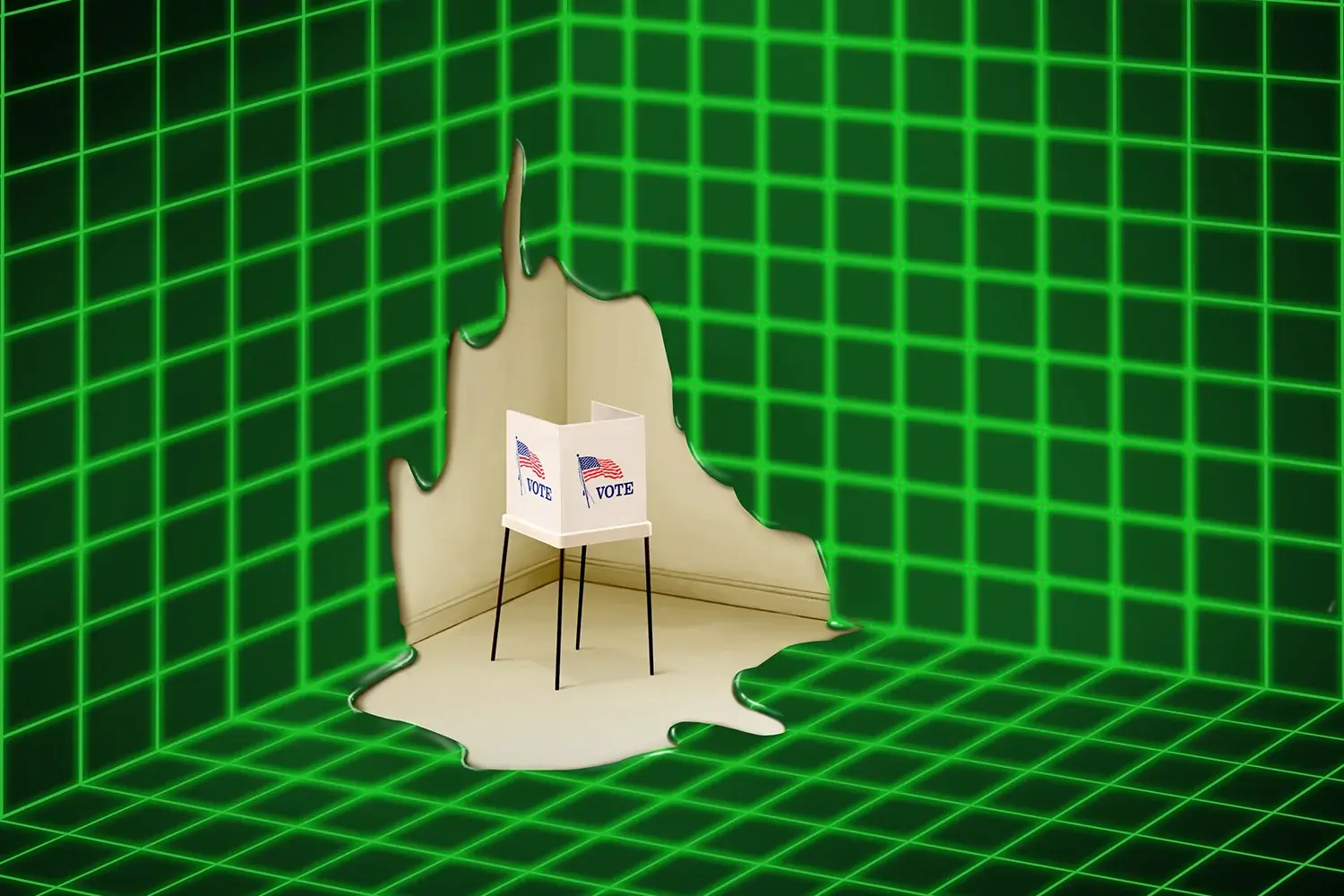 Could Artificial Intelligence Disrupt the Upcoming Congressional Elections?
 Phoenix Citizens Mobilize as Grassroots Poll Monitors
 Philippine Vice President Sara Duterte Faces Imminent Impeachment Conviction
The country’s traditional export-driven strategy is faltering under the weight of global instability and internal inefficiencies. Major industrial giants are losing their competitive edge in international markets, particularly as Chinese manufacturers capture larger shares of key sectors. Simultaneously, the domestic landscape is hampered by high energy costs and a complex web of bureaucratic regulations that stifle innovation and expansion.
For decades, German engineering served as the backbone of the European economy. Today, that foundation is cracking under the pressure of expensive labor and persistent energy price hikes. Companies that once dominated global trade now struggle to maintain profit margins while navigating an increasingly protectionist international environment.
Can Policy Reform Outpace Populist Gains?
Excessive red tape further complicates the situation, discouraging new investment and slowing the transition toward modern industrial practices. These structural hurdles are not merely economic issues; they are fueling a sense of national decline. As factory floors quiet down, the political fallout continues to reshape the domestic landscape.
The rise of the AfD is inextricably linked to these economic anxieties. Voters are increasingly turning toward populist rhetoric as they witness the erosion of their industrial base. If the government fails to implement meaningful structural reforms, the political shift toward the far-right is likely to accelerate, further complicating the path toward economic recovery.
Frequently Asked Questions
Addressing these challenges requires a delicate balance between maintaining social stability and modernizing the nation’s outdated industrial framework. Without a swift and effective overhaul, Germany risks a prolonged period of stagnation. The political consequences of inaction could fundamentally alter the country’s future trajectory within the European Union.
Why is the German export model struggling? The model is suffering due to intense competition from Chinese rivals, high domestic energy costs, and burdensome regulatory requirements. These factors have collectively weakened the competitive advantage of German industrial firms.
How does the economy influence the AfD’s growth? Economic instability and industrial decline have fostered widespread voter dissatisfaction. This frustration has directly contributed to the rising popularity of the AfD, as citizens seek alternatives to the current government's economic policies.