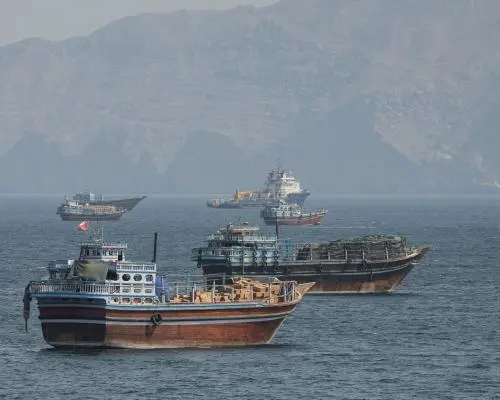
How are energy markets responding to the security threat?
Brent crude oil climbed above $104 per barrel on Tuesday following a series of attacks on oil tankers and energy infrastructure in the Red Sea and Gulf of Aden. The surge reflects growing concerns over supply disruptions from one of the world’s most critical shipping corridors. Markets reacted sharply as traders assessed the risk of prolonged instability in the region.
Latest news
 Leader of Jewish Greens Calls for Polanski to Step Down After Defeat
 EU Unveils Critical Mineral Projects List Focused on Clean Energy Metals
 Navanethem „Navi” Pillay Wins 2026 Nobel Peace Prize for Advancing Global Justice
 The Supreme Court’s recent ruling has reignited the fight against conversion therapy for LGBTQ+ youth
The attacks, which have targeted commercial vessels carrying crude and liquefied natural gas, have intensified over the past week. Shipping companies have begun rerouting vessels around the Cape of Good Hope, significantly increasing transit times and fuel costs. Insurance premiums for ships transiting the Bab el-Mandeb Strait have also spiked, adding further pressure on logistics chains.
What does this mean for global inflation and energy policy?
Traders are pricing in a higher risk premium for Middle Eastern oil exports, with Brent futures gaining nearly 4% in early European trading. Natural gas prices in Europe have also risen, driven by fears that LNG shipments from Qatar and other Gulf producers could be delayed or disrupted. Analysts note that even the threat of attacks is enough to trigger speculative buying, especially as global inventories remain relatively tight.
Higher energy costs could feed into broader inflationary pressures, particularly in Europe and Asia, where energy imports are substantial. Central banks may face renewed challenges in balancing price stability with growth concerns. Governments are under pressure to accelerate diversification of energy sources and strengthen naval escorts for commercial fleets, though such measures take time to implement.
What triggered the recent attacks on oil tankers? The attacks are linked to ongoing regional tensions, with several incidents attributed to hostile actors using drones and small boats to target vessels in key chokepoints.
Frequently Asked Questions
Are alternative shipping routes being used? Yes, many carriers are now diverting ships around southern Africa to avoid the Red Sea, which adds 10 to 14 days to voyages between Asia and Europe.
Will oil prices continue to rise? Prices remain volatile and will depend on whether attacks persist or de-escalate; sustained disruption could push Brent toward $110 per barrel in the short term.