Middle East Unrest Fuels Market Volatility
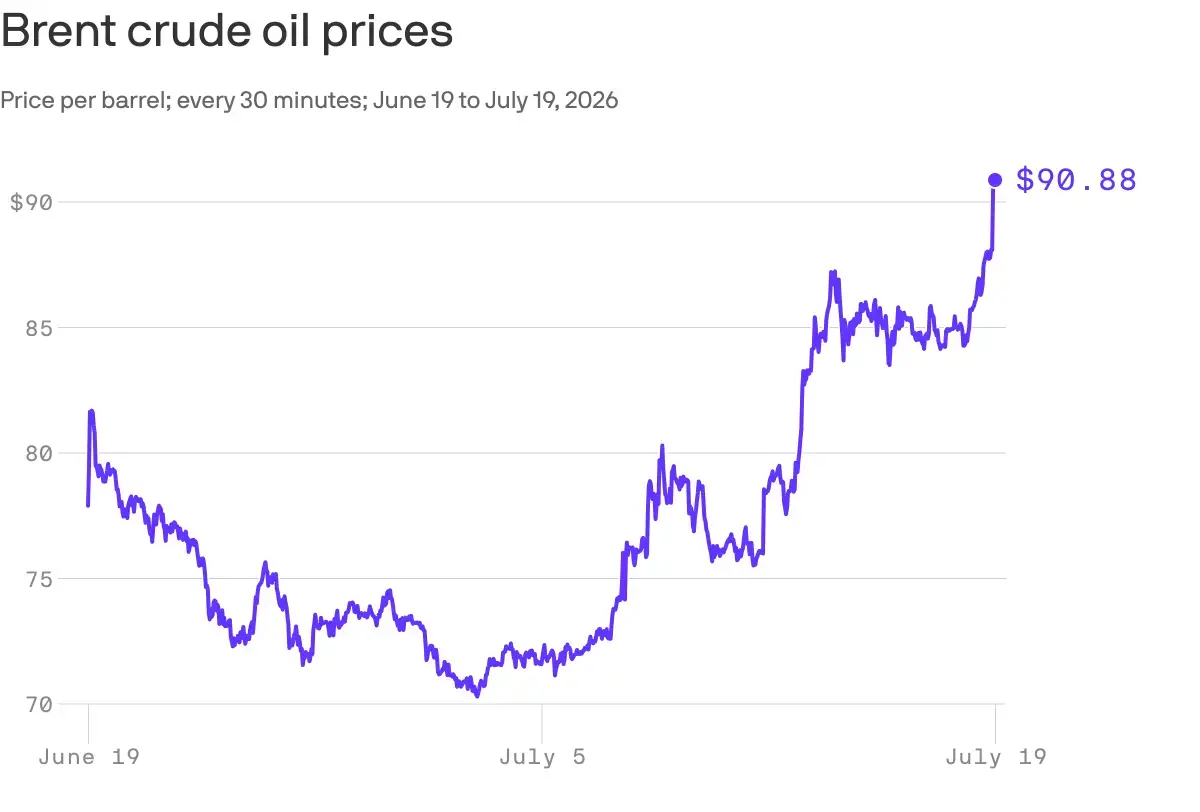
Global oil prices climbed above $90 a barrel on Sunday. This increase marks the first significant trading activity since three American service members were killed. The broader conflict in the Middle East continues to escalate, driving market anxieties higher.
Latest news
 Swedish Voters Choose New Parliament as Left-Wing Coalition Projects to Win Majority
 Trump Announces End of US Tariff on Irish Whisky
 Frances Stonor Saunders, Author of CIA Cultural Espionage Exposé, Dies at 66
 Israel and Lebanon to Hold Security Talks in Rome This October
This price jump could quickly impact consumers. Drivers might face higher costs at the pump for gasoline. Freight companies could also see increased expenses for diesel fuel. Such a rise in energy costs poses a risk for inflation globally.
The recent tragic deaths of U. S. personnel have intensified concerns. These events add to an already volatile situation in the Middle East. Geopolitical instability often leads to higher oil prices. Investors worry about potential disruptions to oil supply routes.
How Do Higher Oil Prices Affect Everyday Life?
The region is a major producer of crude oil. Any threat to its stability can send shockwaves through energy markets. This current surge reflects those deep-seated fears.
When oil prices climb, the cost of many goods and services often follows. Transportation becomes more expensive, impacting supply chains. This can lead to higher prices for groceries and other consumer products. Businesses might also face increased operating costs.
For individuals, this means less disposable income. Inflation erodes purchasing power. Central banks may respond by raising interest rates. This could further slow economic growth worldwide. The current trend suggests a challenging period ahead for global economies.
Frequently Asked Questions
What caused the recent jump in oil prices? The primary cause was the escalation of hostilities in the Middle East, particularly following the deaths of three U. S. service members, which increased geopolitical risk.
How do higher oil prices impact consumers? Higher oil prices typically lead to more expensive gasoline for drivers and increased costs for diesel, affecting freight transportation and potentially raising prices for goods.
What is the global economic concern associated with rising oil prices? The main global economic concern is an increased risk of inflation, which can reduce consumer purchasing power and potentially lead to slower economic growth if central banks intervene.