
Curbing Corporate War Profiteering
Rising geopolitical friction between the United States and Iran has sent global oil prices climbing sharply. As fuel costs increase for American consumers at the pump, environmental advocates and economic activists are demanding a windfall tax on major oil corporations to curb excessive profiteering during this volatile international crisis.
Latest news
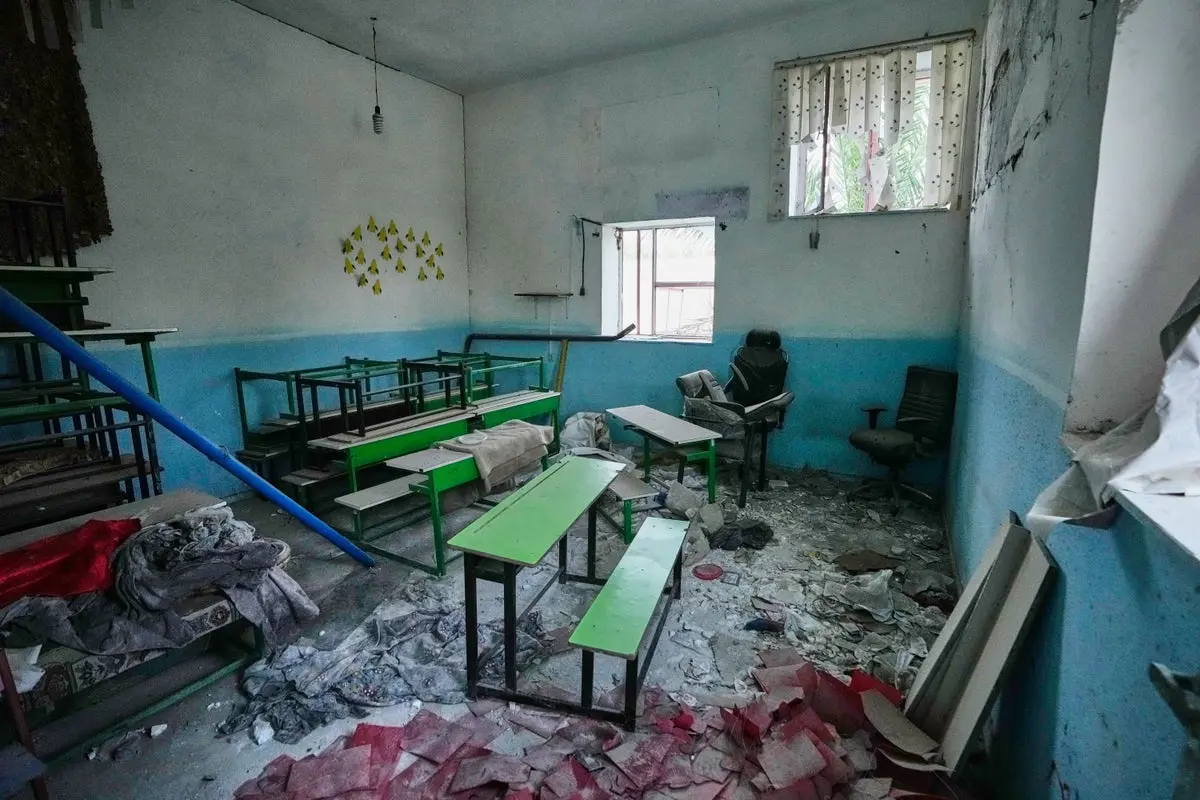 UN Report Accuses US and Iran of Serious Human Rights Violations
 Canada Eyes EU Associate Membership Under Prime Minister Mark Carney
 Fiji Declares National Emergency Over Rapid HIV Surge
 Israeli Forces Detain Palestinian Journalist in Ramallah Raid
The current escalation in the Middle East has created an immediate supply anxiety in global energy markets. Oil companies are reporting significant gains as retail gasoline prices reflect the heightened risk of regional conflict. Critics argue that these corporations are exploiting the situation to inflate margins while everyday Americans struggle with the rising cost of living.
Activists claim that the current administration’s foreign policy approach has inadvertently fueled market instability. They contend that the resulting price spikes unfairly burden households while energy giants record record-breaking quarterly returns. By implementing a windfall tax, proponents suggest the government could redistribute these surplus profits to provide relief for impacted drivers.
Should Taxpayers Subsidize Corporate Gains During Conflicts?
The debate highlights a growing divide over how to manage energy security during times of war. While industry representatives maintain that market forces naturally dictate fuel prices, protesters are calling for stricter oversight. They believe that allowing companies to benefit from geopolitical instability sets a dangerous precedent for future energy pricing.
The push for legislative intervention faces significant political hurdles in Washington. Opponents of the tax argue that such measures could stifle domestic production and discourage investment in energy infrastructure. Meanwhile, environmental groups emphasize that the focus should remain on transitioning away from fossil fuels to prevent future reliance on volatile foreign oil markets.
As the standoff between the United States and Iran continues, the pressure on lawmakers to address these economic consequences is mounting. Whether the government will move to capture these excess profits remains uncertain. For now, the debate remains a central point of contention in the broader struggle over national energy policy and corporate accountability.
Frequently Asked Questions
Why are fuel prices rising during this conflict? Tensions between the United States and Iran create uncertainty regarding oil supply routes in the Middle East. This fear of disruption causes global markets to increase prices for crude oil and gasoline.
What is a windfall tax? A windfall tax is a one-time levy imposed by a government on companies that experience unexpected profits due to external events. In this case, it targets oil firms benefiting from price spikes caused by geopolitical instability.
Will these taxes lower gas prices for consumers? Proponents argue that taxing excess profits could fund direct relief programs for families. However, critics warn that such taxes might lead companies to reduce production, potentially keeping prices high.