While Moscow has found alternative buyers in Asia, discounts and logistical
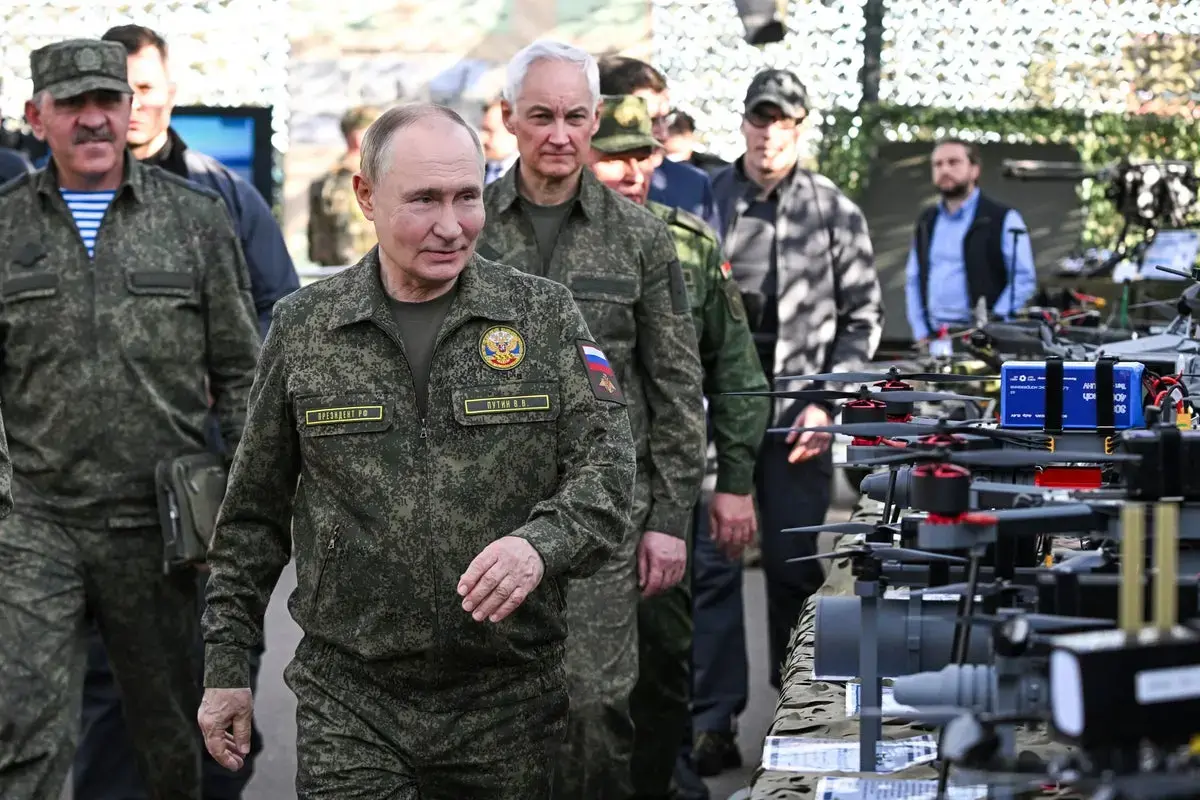
Russian President Vladimir Putin's wartime economic strategy is showing signs of increasing pressure as the conflict with Ukraine continues. Frictions within Russia's economy are intensifying, challenging the sustainability of current financial and industrial policies. The situation reflects broader difficulties in maintaining military funding while managing domestic economic stability. The strain stems from Western sanctions, fluctuating energy revenues, and the high costs of prolonged warfare. Despite efforts to redirect trade and boost domestic production, Russia's economy struggles with inflation, labor shortages, and reduced access to critical technologies. These pressures are testing the resilience of the Kremlin's economic model under wartime conditions. Energy Exports and Sanctions Pressure Russia's reliance on energy exports remains a key factor keeping its war economy afloat, though this lifeline is weakening. European efforts to reduce dependence on Russian oil and gas have cut into traditional revenue streams.
Latest news
 UAE avoids answering whether it warned Netanyahu before October 7 attack
 Tehran Confirms Pakistani Interior Minister Visit Without US Message Expectation
 Middle East Situation Could Escalate Rapidly, US Warns Citizens
 Turkish Foreign Minister Says New Proposals Sent to US and Iran to End War
While Moscow has found alternative buyers in Asia, discounts and logistical hurdles have diminished overall income. Government attempts to stimulate import substitution and increase state spending on defense have not fully offset these losses. Analysts note that the Kremlin is drawing heavily from reserve funds to cover budget shortfalls, a strategy that may not be sustainable long-term. The balance between military needs and civilian economic health is becoming increasingly difficult to maintain. How Long Can Russia Sustain Its War Finances? The duration of Russia's ability to fund its military campaign depends on several volatile factors. Continued access to global financial systems, even through indirect channels, plays a crucial role. So does the pace of Western sanctions enforcement and the effectiveness of Russian countermeasures. Domestic public tolerance for economic hardship also influences Kremlin decisions. So far, strict capital controls and state propaganda have limited visible dissent.
However, rising prices for goods and services are affecting household budgets
However, rising prices for goods and services are affecting household budgets, particularly outside major urban centers. These trends could eventually constrain the government's freedom to prioritize military spending over civilian needs. Frequently Asked Questions What is keeping Russia's war economy afloat despite sanctions? Russia's war economy remains partially supported by continued energy exports, particularly to Asian markets, and by drawing on national reserve funds. The government has also increased state-directed spending and pursued import substitution to reduce reliance on Western goods.
How are Western sanctions affecting Russia's wartime finances? Sanctions have limited Russia's access to Western technology, financial markets, and traditional energy buyers in Europe. While some revenue persists through alternative trade routes, overall income has declined, and the cost of circumventing restrictions adds economic strain.
Could domestic economic pressures force a change in Russia's war strategy? Persistent inflation, labor shortages, and declining living standards may eventually influence Kremlin calculations. If economic strain worsens, it could affect public morale and limit the government's capacity to sustain long-term military operations without adjustments.