
Trading Gains Fuel Record Earnings
Shell announced first-quarter profits of $6.9 billion. This surge follows increased energy prices linked to the conflict in Iran. Climate activists criticize the company for profiting from global instability. The results exceeded expectations for Europe’s largest oil and gas firm.
Latest news
 Ukraine Strikes Persist While Russian Polling Stations Open for Election
 Macron Calls French Party Leaders Together as Energy Costs Surge Amid Iran and Ukraine Conflicts
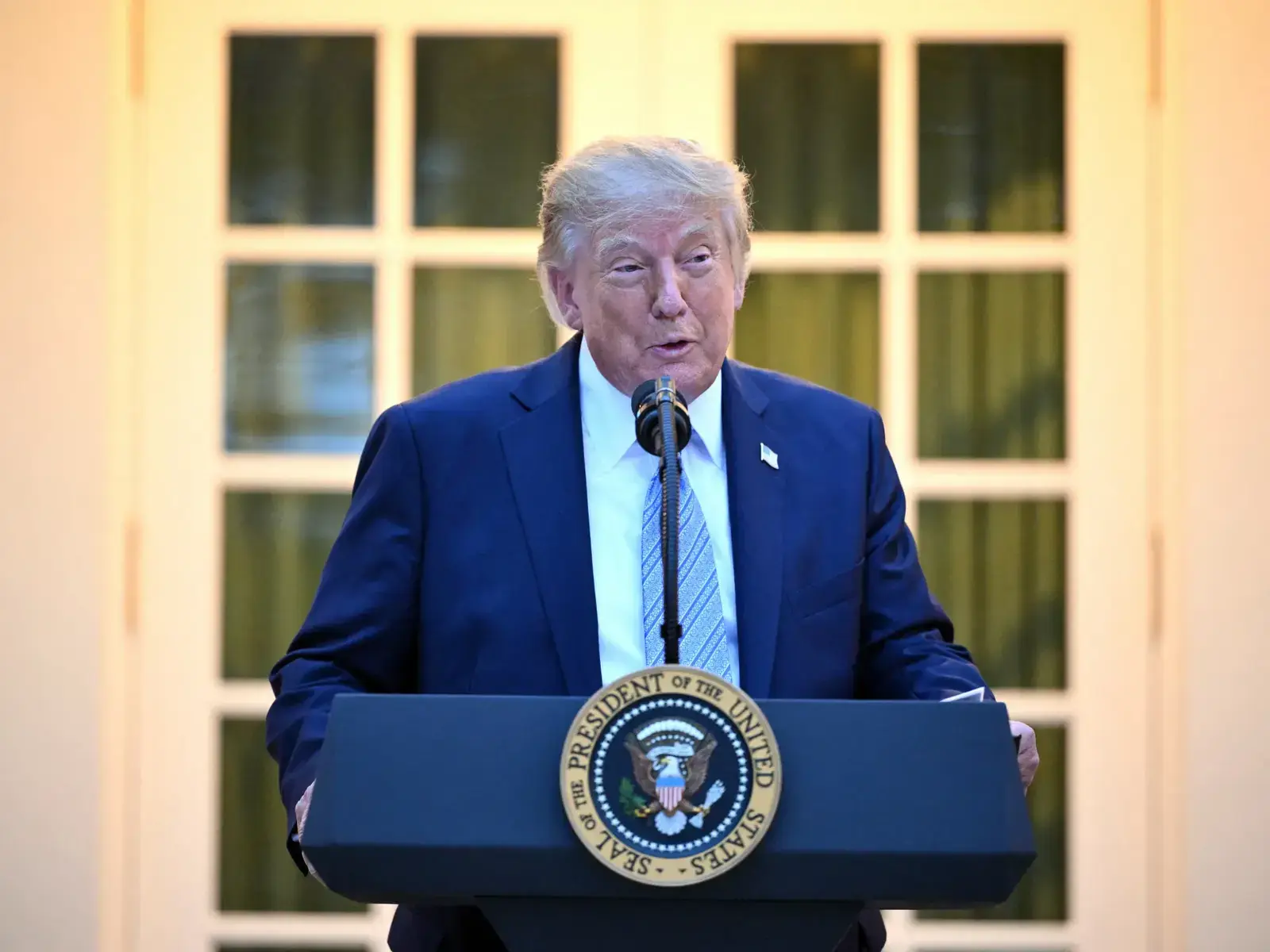 US Voters Oppose War on Iran, 71% Say Trump Administration Lacks Strategy
 French President Warns of Rising Russian Hybrid Threats to Europe
The company’s oil traders capitalized on rising prices. This boosted earnings significantly during the Middle East conflict. First-quarter profits jumped 115% from $3.2 billion in the same period last year. Shell benefited from volatility in the global energy market.
Shell’s trading division played a key role in the financial gains. It actively exploited price fluctuations caused by the Iranian conflict. This strategic trading contributed substantially to the overall profit increase. The company’s ability to navigate geopolitical tensions proved lucrative.
Is This Profiteering or Prudent Business?
Critics argue that Shell is unfairly benefiting from a crisis. They claim the company is prioritizing profits over global stability. Activists point to the ethical implications of profiting from war. They demand greater accountability from energy companies.
Shell defends its performance as a result of sound business practices. The company states it’s responding to market forces and fulfilling energy demands. Executives emphasize the importance of reliable energy supplies. They maintain that trading activities mitigate risk and ensure stability.
However, the timing of the profit surge raises concerns. The increase coincides directly with escalating tensions in Iran. This has fueled accusations of exploiting a sensitive geopolitical situation. The debate centers on whether the company’s actions are justifiable.
Frequently Asked Questions
The substantial profits will likely draw increased scrutiny. Investors will expect continued strong performance. However, pressure from climate groups is expected to intensify. Shell faces a challenge in balancing financial success with public perception. The company’s long-term strategy will be closely watched.
What specifically drove Shell’s profit increase? Rising oil and gas prices, particularly those linked to the conflict in Iran, significantly boosted Shell’s earnings. The company’s trading division actively capitalized on market volatility.
How does Shell respond to accusations of profiting from conflict? Shell maintains that its profits are a result of sound business practices and meeting global energy demands. They emphasize risk mitigation through trading activities.