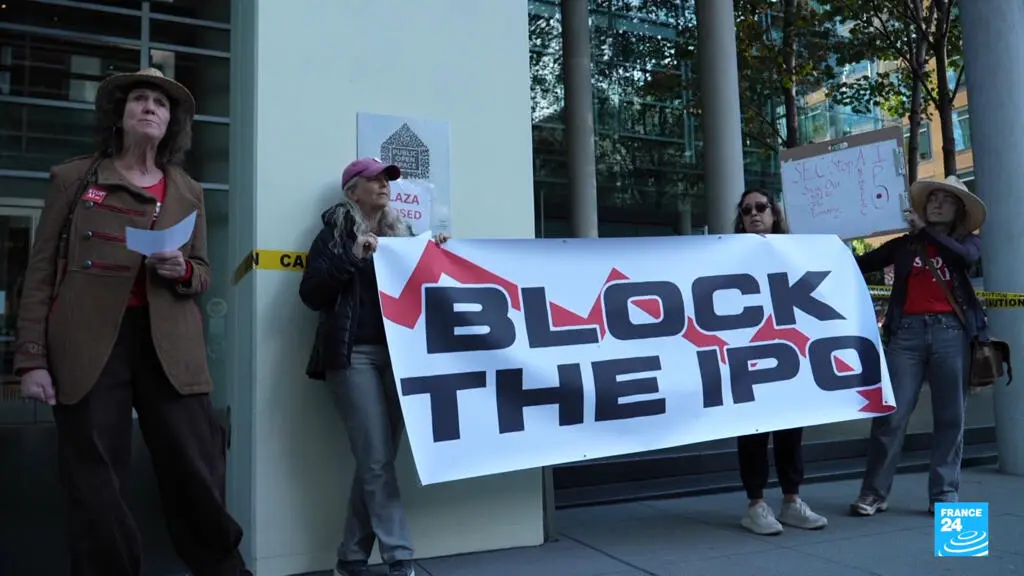
Demonstrators Demand Greater Oversight of Tech Giants
On Tuesday, October 20th, demonstrators gathered in over fifty cities across the United States to voice growing concerns about the rapid expansion of artificial intelligence. The protests specifically targeted the tech hub of Silicon Valley, where the AI industry is experiencing an unprecedented boom. Organizers aimed to highlight the societal risks associated with unchecked technological growth and the increasing influence of major tech corporations on daily life.
Latest news
 Macron Warns Protesters Against Causing Chaos During Cost-of-Living Demonstrations
 UK Climate Activists Rally Against New North Sea Gas Drilling Approval
 Paris court opens trials for suspects in October 17 unrest
 Thousands rally in Lisbon against housing crisis
The demonstrations reflect a deepening anxiety among the American public regarding how quickly AI systems are being integrated into various sectors. As Silicon Valley companies race to develop new models and applications, many citizens feel left behind or uncertain about the future. The scale of the movement, spanning dozens of locations, signals that dissatisfaction with the current trajectory of AI development has moved beyond niche tech circles. It now represents a broader cultural and political sentiment demanding greater oversight and transparency from the industry leaders driving this transformation.
Will Public Backlash Slow Down AI Development?
Protesters carried signs and slogans criticizing the lack of regulation surrounding machine learning algorithms and data usage. They argued that the speed of innovation in Silicon Valley often outpaces legal frameworks and ethical guidelines. Many participants expressed fear that AI could exacerbate existing inequalities, particularly in the job market and access to information. The movement called for stricter standards on how companies collect user data and deploy automated decision-making tools. Critics noted that while AI offers significant benefits, the current model prioritizes profit and speed over long-term stability and human welfare. This shift in public opinion puts pressure on policymakers to consider new legislative measures that balance innovation with protection for workers and consumers.
The timing of these protests coincides with a period of intense investment and product launches in the tech sector. Companies are pouring billions into infrastructure and talent acquisition, betting that AI will remain the primary engine of economic growth. However, the visible pushback suggests that market forces alone may not be enough to manage the transition. Some analysts believe that sustained public pressure could force executives to adopt more conservative deployment strategies. Others argue that the momentum of the AI wave is too strong to stop, regardless of temporary disruptions caused by civil unrest. The debate centers on whether society can adapt quickly enough to handle the changes without suffering significant economic or social costs. Future developments will depend on how effectively leaders communicate the benefits of AI while addressing valid concerns about safety and control.
Frequently Asked Questions
How many cities hosted the AI protests? More than fifty cities across the United States held demonstrations on Tuesday, October 20th. These events were coordinated to show broad national support for regulating the artificial intelligence industry.
Why did protesters target Silicon Valley specifically? Silicon Valley is the epicenter of the current AI boom, home to the major firms driving technological change. Protesters focused there because these companies hold significant power over the pace and direction of global AI adoption.