
Keys and Flares Signal Deepening Frustration
Thousands of protesters gathered in Rossio Square in Lisbon on Tuesday to demand affordable housing solutions. The crowd filled the historic square, chanting slogans and lighting flares to draw attention to their cause. Demonstrators held up physical keys and handmade signs, with one prominent placard declaring that a home should not be a luxury privilege. This major gathering marked a significant escalation in public discontent regarding Portugal’s escalating cost of living.
Latest news
 Macron Warns Protesters Against Causing Chaos During Cost-of-Living Demonstrations
 UK Climate Activists Rally Against New North Sea Gas Drilling Approval
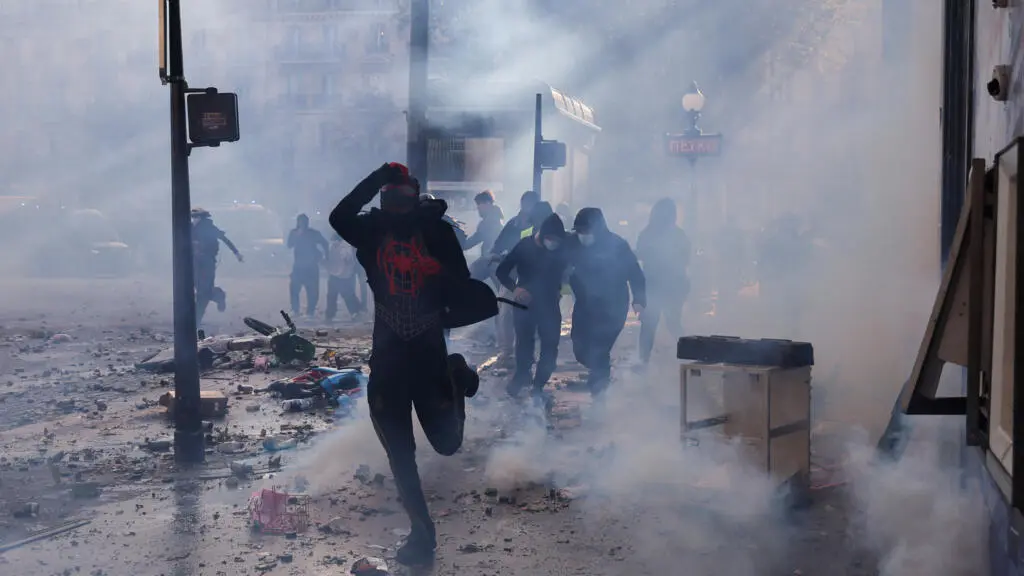 Paris court opens trials for suspects in October 17 unrest
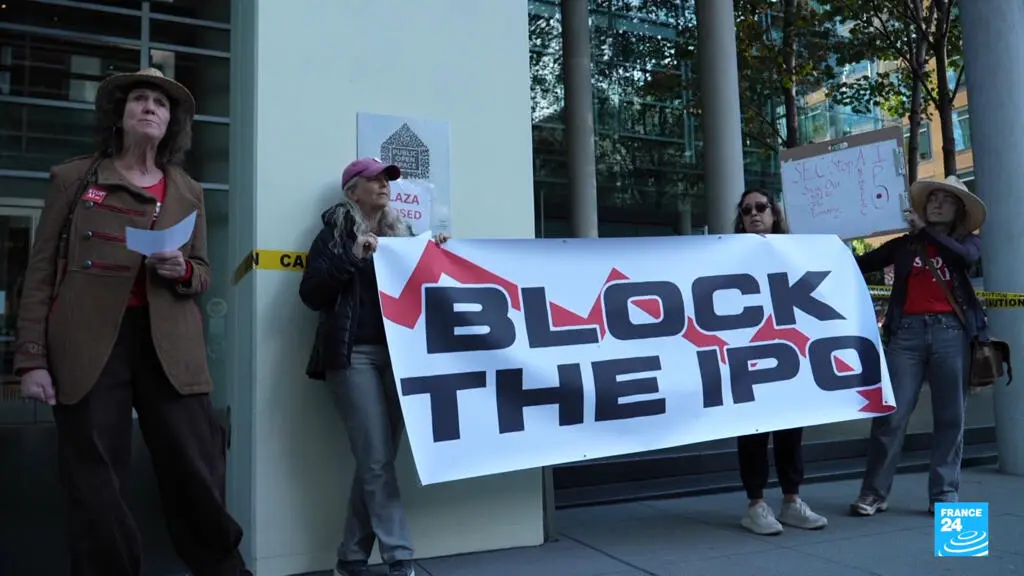 Silicon Valley AI Boom Sparks Widespread US Protests
The protest followed an earlier event where police forcibly cleared a makeshift camp established by activists in the same location. Law enforcement officers removed tents and belongings, prompting immediate backlash from the community. This removal highlighted the tension between urban planning authorities and those struggling to find stable shelter. The subsequent rally served as a direct response to this eviction, signaling that the housing movement would continue despite official attempts to disperse it.
Can Policy Catch Up With Demand?
Participants used symbolic props to convey their message effectively. The display of keys represented the fundamental right to enter one’s own home, while flares added a visual urgency to the demonstration. Organizers coordinated similar marches across other Portuguese cities, creating a nationwide wave of solidarity. This synchronized action demonstrated that the housing shortage is not isolated to the capital but affects regions throughout the country. Activists emphasized that high rents and limited supply have pushed many residents to the brink of homelessness.
The central slogan, „A house cannot be a privilege,” encapsulated the core argument of the movement. Protesters argued that basic shelter has become a commodity reserved for the wealthy, excluding lower-income families from the market. They criticized current government policies for failing to address the root causes of the crisis. Many attendees shared personal stories of rising rent bills and evictions, adding emotional weight to the political demands. The atmosphere was charged yet organized, with participants maintaining a peaceful stance despite the previous police intervention.
The outcome of these protests remains uncertain as authorities consider new legislative measures. Officials acknowledge the growing pressure from civil society groups and labor unions. Future steps may include increased funding for social housing projects and stricter regulations on rental prices. However, critics argue that existing plans are too slow to meet the immediate needs of thousands of families. The movement now looks toward upcoming municipal elections, hoping to translate street-level energy into tangible policy changes. For now, the keys held aloft in Lisbon serve as a lasting symbol of the fight for equitable living spaces.
Frequently Asked Questions
Why did police clear the camp before the main protest? Law enforcement removed the temporary camp earlier in the day to restore order in Rossio Square. This action intensified frustration among activists, leading directly to the larger organized rally later that afternoon.
Did other cities join the demonstration? Yes, coordinated protests took place in several other Portuguese cities simultaneously. This multi-city approach aimed to show that the housing crisis impacts the entire nation rather than just the capital region.