The Hidden Costs of Orbital Ambition
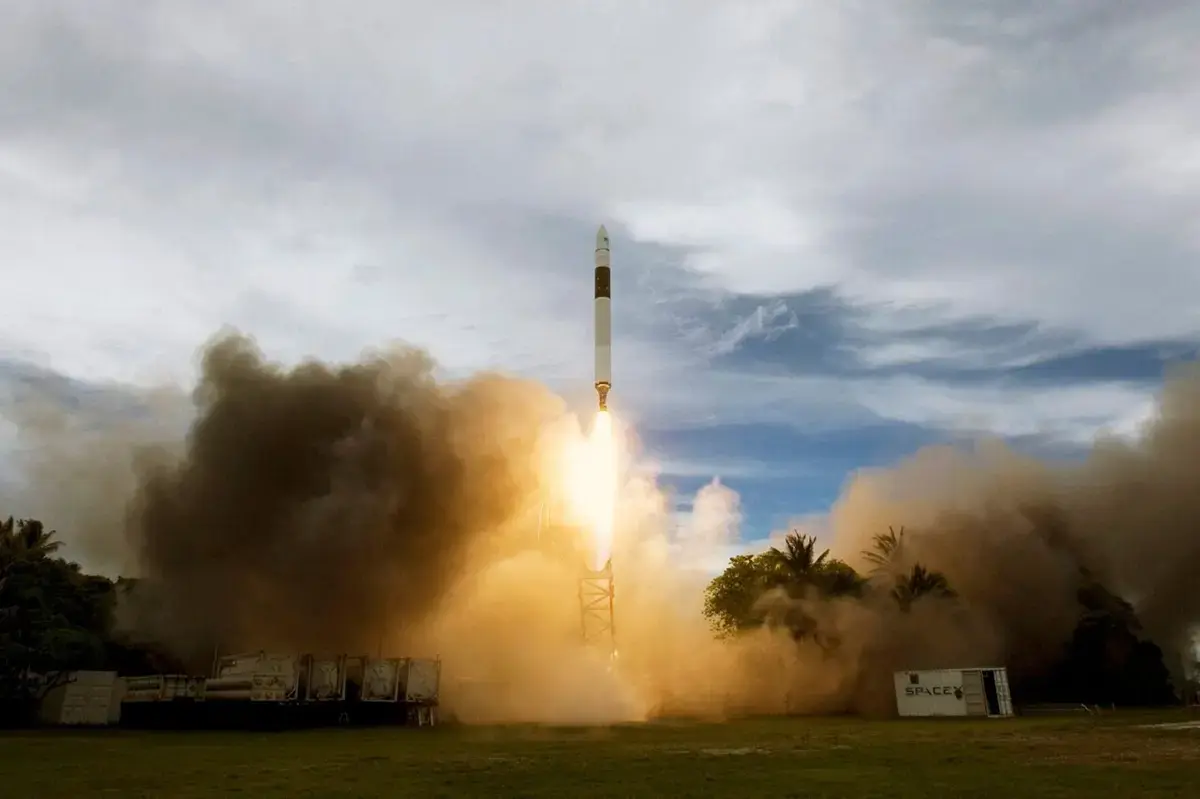
Space companies are facing accusations of „starwashing,”a practice likened to greenwashing, as they expand operations from launchpads to low Earth orbit and beyond. Critics argue these firms present an environmentally friendly image while their activities contribute to significant ecological damage. The industry's rapid growth raises questions about its true impact on Earth's delicate ecosystems and the space environment itself.
Latest news
 Swedish Voters Choose New Parliament as Left-Wing Coalition Projects to Win Majority
 Trump Announces End of US Tariff on Irish Whisky
 Frances Stonor Saunders, Author of CIA Cultural Espionage Exposé, Dies at 66
 Israel and Lebanon to Hold Security Talks in Rome This October
This starwashingstrategy involves promoting space exploration and technology as beneficial for humanity and the planet, often highlighting advancements in climate monitoring or sustainable resource management. However, this narrative often overshadows the environmental footprint left by rocket launches, satellite manufacturing, and the increasing problem of space debris. The push into space is creating new challenges for environmental protection.
The environmental impact of space activities extends far beyond the immediate vicinity of launch sites. Rocket fuels, for instance, release greenhouse gases and other pollutants into the atmosphere, contributing to climate change. Manufacturing satellites and rockets also requires significant energy and resources, often involving processes with substantial carbon footprints. As the number of launches increases, so does the cumulative effect of these emissions.
Is Space Exploration Truly Sustainable?
The long-term sustainability of current space industry practices is a growing concern. The proliferation of satellites in low Earth orbit, particularly large constellations, is creating an unprecedented amount of space junk. This debris poses collision risks, threatening operational satellites and future missions. Furthermore, the re-entry of defunct satellites can introduce new pollutants into the atmosphere, impacting air quality and potentially affecting atmospheric chemistry. The industry's rapid expansion demands a closer look at its environmental responsibilities.
The space industry's current trajectory suggests a need for stricter environmental regulations and more transparent reporting of its ecological impact. Without these measures, the promise of space exploration could come at an unacceptable cost to our planet. Developing truly sustainable practices is crucial for the future of both Earth and space.
Frequently Asked Questions
What is starwashing? Starwashingdescribes the practice of space companies promoting an environmentally positive image while their operations cause environmental harm, similar to greenwashing in other industries.
How do rocket launches affect the environment? Rocket launches release greenhouse gases and other pollutants into the atmosphere, contributing to climate change and potentially impacting air quality.
What is the concern with space debris? Space debris, or space junk, poses a significant collision risk to operational satellites and future space missions, potentially creating a cascade effect of further debris.