Resource Strain and Local Opposition
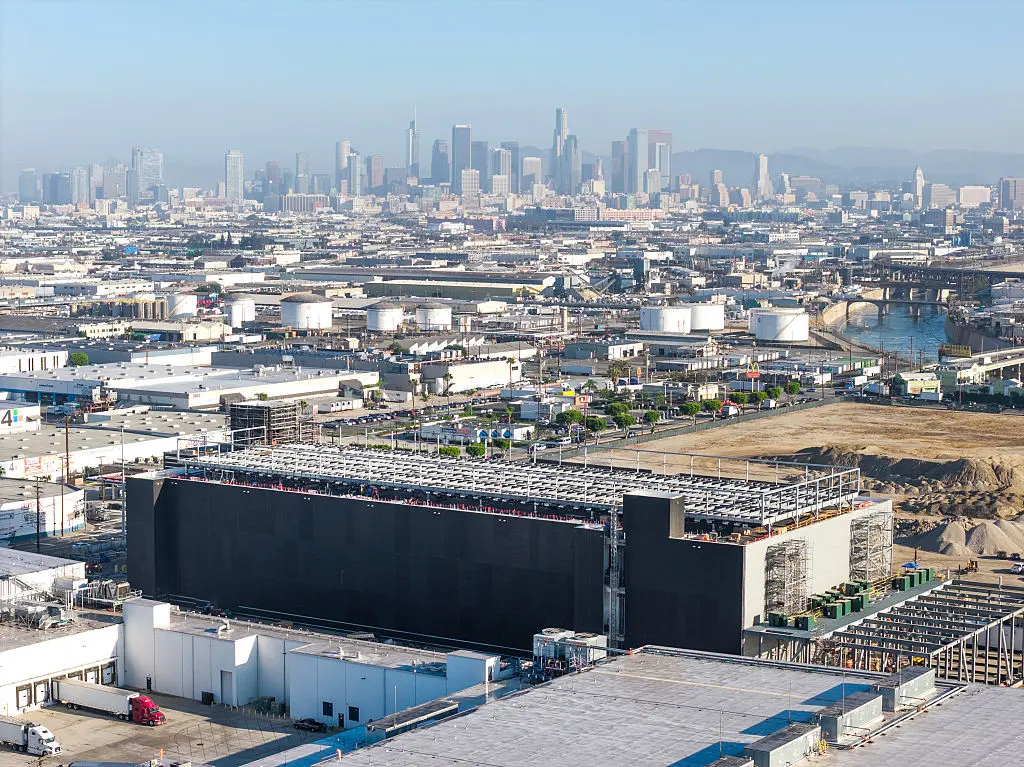
A recent survey reveals that both Democrats and Republicans in the United States are increasingly worried about the environmental footprint of artificial intelligence. As massive data centers begin construction in communities nationwide, public anxiety is rising. This bipartisan shift marks a notable change in how voters view technology infrastructure. The concern extends beyond political lines, uniting citizens around shared environmental fears.
Latest news
 IMF Cuts Australia Growth Forecast Amid Rate Hike Warnings
 Nicaraguan Exile Journalist Luis Galeano Detained by U.S. ICE in Florida
 Congress Passes Bill Granting Trump Expanded Sanctions Authority
 AI pioneer Yoshua Bengio warns of imminent crisis
The primary driver of this worry is the sheer scale of new construction projects. Data centers require enormous amounts of electricity and water to operate efficiently. These facilities are breaking ground in diverse locations, from urban hubs to rural areas. Residents near these sites report heightened stress over local resource depletion. The rapid pace of development outpaces many community planning efforts. Consequently, locals feel caught between economic growth and ecological preservation.
The physical demands of AI infrastructure are placing significant pressure on local utilities. Power grids are struggling to meet the constant high-load requirements of these facilities. Water usage for cooling systems has become a critical point of contention. In drought-prone regions, this consumption competes directly with agricultural and residential needs. Community meetings are filling up with residents questioning the long-term sustainability of these projects. Local governments face difficult decisions about permitting and zoning. They must balance job creation against the tangible risks of resource scarcity.
Can Technology Solve Its Own Environmental Problems?
Polling data indicates that environmental impact is now a top-tier issue for voters. It rivals traditional concerns like healthcare or education in terms of priority. Both major parties recognize this trend and are adjusting their platforms accordingly. Legislators are drafting new regulations to mandate efficiency standards. These rules aim to limit waste and optimize energy use. However, critics argue that current guidelines remain too lenient. They believe stricter oversight is necessary to protect local ecosystems.
Proponents of the AI industry argue that innovation will eventually solve the energy crisis. They point to advancements in renewable energy integration and liquid cooling technologies. These methods promise to reduce the carbon footprint of future data centers. Yet, skeptics maintain that the current generation of facilities remains heavily reliant on fossil fuels. The gap between projected improvements and present reality widens daily. Investors are watching closely, seeking signals of genuine progress. Without clear milestones, public trust may erode further.
Frequently Asked Questions
The outlook suggests a period of intense negotiation between tech companies and local stakeholders. Regulatory frameworks will likely tighten over the next few years. This could slow down some construction projects but ensure higher quality builds. Ultimately, the success of AI expansion depends on finding a sustainable balance. If environmental costs outweigh economic benefits, public support may wane. The coming decade will test whether the industry can adapt quickly enough to meet societal expectations.
Do Republicans and Democrats agree on AI environmental concerns? Yes, the latest polling shows a rare bipartisan alignment on this issue. Both groups express significant worry about the resource consumption of data centers. This shared concern is influencing political discourse and policy proposals.
What are the main environmental impacts of data centers? The primary impacts include high electricity usage and substantial water consumption for cooling. These resources strain local grids and water supplies. The effects are most pronounced in areas with limited infrastructure capacity.