
Surplus Persists Despite New Barriers
As Chinese President Xi Jinping prepares to meet US President Donald Trump, global markets watch closely. The summit aims to resolve tensions that have defined recent diplomatic history. Both leaders seek to stabilize economic relations amid rising geopolitical friction. Observers question whether this meeting marks a turning point or merely a pause in an ongoing conflict. The outcome will influence supply chains worldwide. Investors remain cautious as they await official statements from both capitals. The core issue remains the balance of trade between the two giants.
Latest news
 International Criminal Court Convicts Former CAR Rebel Leader for Torture Oversight
 Democrats Hold Edge Over Republicans in New Polling Data
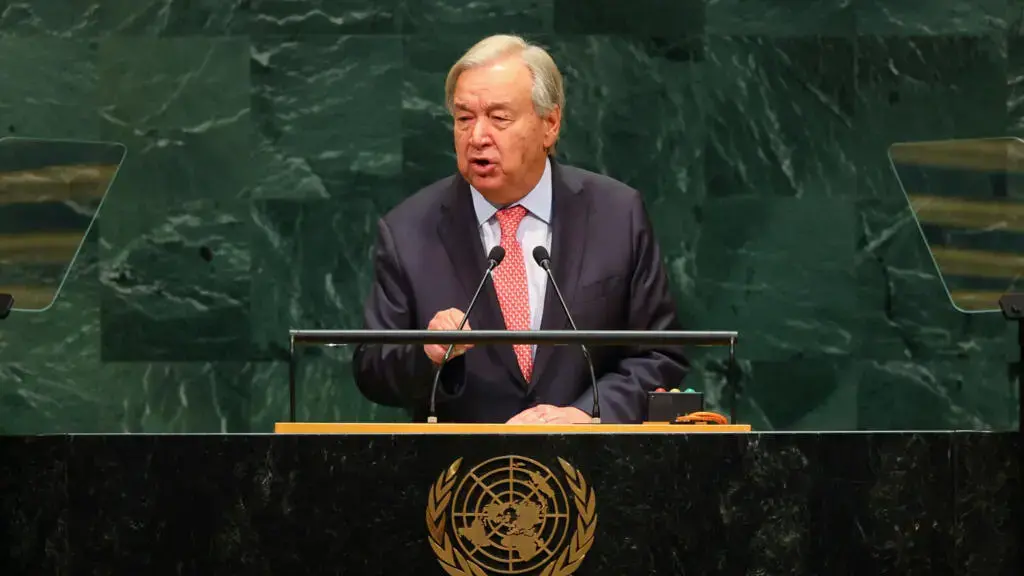 World leaders converge on New York for the UN General Assembly
 Texas Influencer Brandon Herrera May Represent Uvalde in Future
The trade war has served as a central pillar of Trump’s second presidential term. It was intended to correct long-standing imbalances in the American economy. However, data suggests the strategy has not achieved its primary goal. The United States has not seen a significant reduction in its trade deficit. Despite aggressive tariffs and regulatory barriers, the gap persists. This lack of progress challenges the narrative that protectionism alone can fix structural economic issues. Critics argue that the approach may be costing more than it saves.
China has maintained a massive trade surplus even after facing new restrictions. The country continues to export vast quantities of goods to the American market. Tariffs have raised costs for importers but have not stopped the flow of products. Chinese manufacturers have adapted to the changing landscape with remarkable speed. They have diversified their supply chains while keeping production costs low. This resilience highlights the deep integration of the two economies. Breaking this link without severe disruption remains a difficult task for policymakers.
Can Diplomacy Reverse Economic Trends?
The complexity of modern manufacturing makes simple separation nearly impossible. Many US companies rely on Chinese components for final assembly. Conversely, Chinese firms depend on American technology and services. This mutual dependency creates a delicate balance. Aggressive moves by either side risk triggering a broader economic slowdown. Analysts note that the current standoff reflects deeper structural shifts in global commerce. The era of easy trade expansion appears to be ending.
Diplomats are working to find common ground before the summit concludes. Negotiations focus on specific sectors where disagreements are most acute. Both sides want to avoid a return to chaotic tariff escalations. A stable agreement could provide relief to businesses operating across borders. However, trust levels remain low following years of conflict. Skeptics wonder if verbal promises will translate into lasting policy changes. The implementation phase often proves harder than the negotiation phase.
Frequently Asked Questions
The consequences of this trade dispute extend far beyond Washington and Beijing. Global supply chains continue to adjust to the new reality. Companies are relocating factories to neutral countries to hedge risks. This trend increases operational complexity and costs for consumers. The outlook suggests a prolonged period of managed tension rather than immediate resolution. Leaders must balance domestic political pressures with international stability. The next few months will determine if cooperation can outpace competition.
Did the trade war reduce the US deficit? No, the trade war has not successfully reduced the US trade deficit. Despite being a cornerstone of the administration's agenda, the imbalance remains largely unchanged.
How has China responded to trade barriers? China has maintained a massive trade surplus despite the new restrictions. The country has adapted by diversifying its supply chains and maintaining competitive production costs.