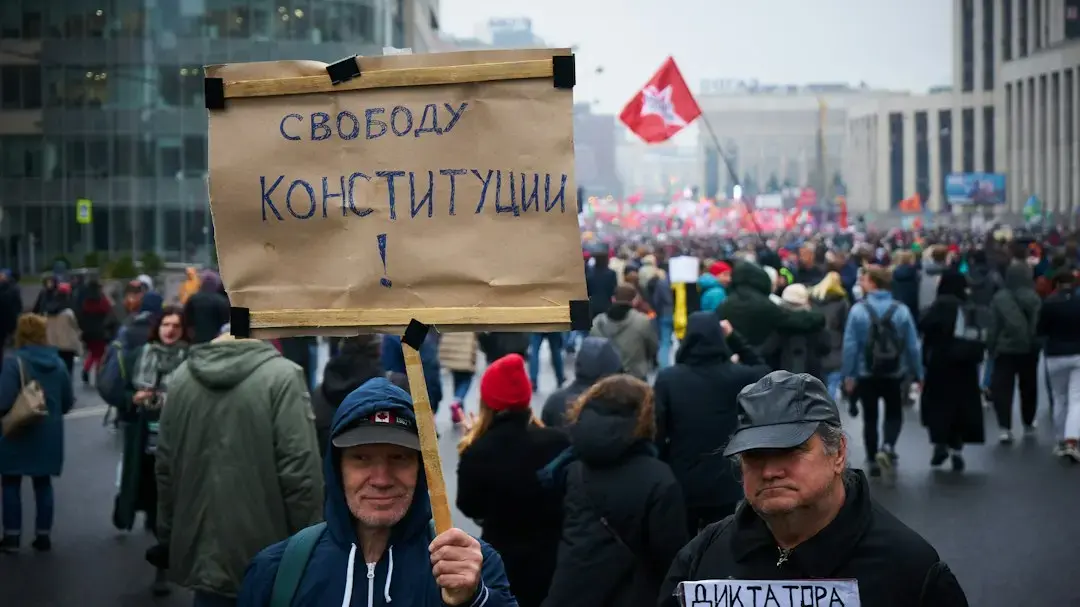
Command Responsibility in Political Detention
The International Criminal Court has officially convicted Mahamat Said Abdel Kani of crimes against humanity. The former leader of a rebel group in the Central African Republic was found guilty on September 23, 2026. Prosecutors argued he directly oversaw systematic torture. His conviction marks a significant legal milestone for the region. This ruling targets high-ranking officials who previously escaped accountability. The court confirmed his responsibility for severe abuses committed during his tenure.
Latest news
 Democrats Hold Edge Over Republicans in New Polling Data
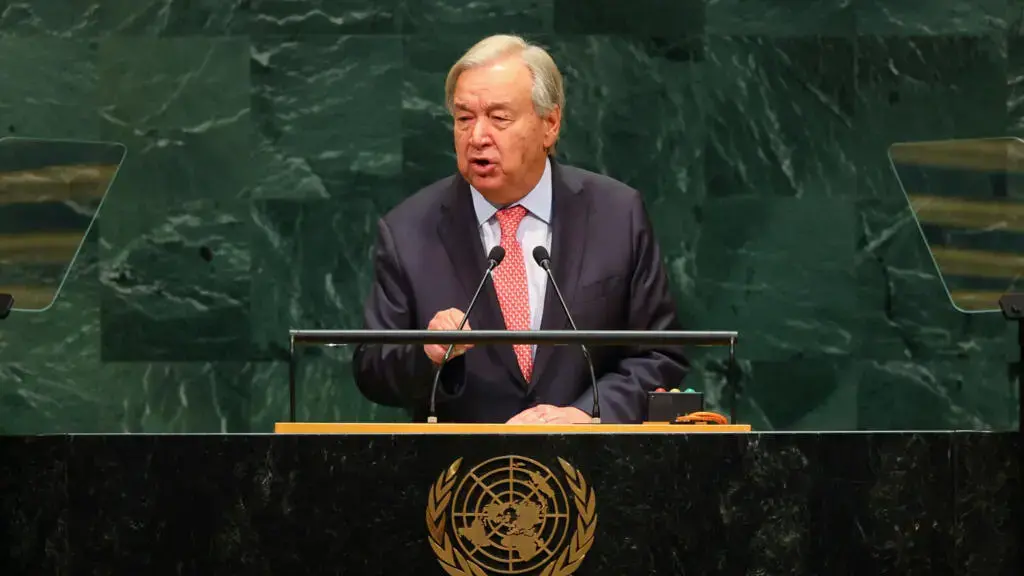 World leaders converge on New York for the UN General Assembly
 Trade War Stalemate: Who Holds the Upper Hand?
 Texas Influencer Brandon Herrera May Represent Uvalde in Future
Abdel Kani headed a feared prison unit responsible for holding political prisoners. The court determined he had command responsibility for the torture inflicted on detainees. This unit operated under his direct supervision for several years. The evidence presented showed a pattern of deliberate cruelty. Judges noted that the suffering was not accidental but part of a broader strategy. The conviction highlights the specific role of military leaders in enforcing detention policies. It establishes a clear link between leadership decisions and on-the-ground atrocities.
Does This Verdict End the Legal Battle?
The legal team emphasized that Abdel Kani knew about the torture methods used. He failed to stop the abuse despite having full authority. The prison unit became notorious for its harsh conditions. Political opponents were often targeted for extended interrogations. The court ruled that his failure to act constituted negligence. This decision reinforces the principle that silence from superiors is complicity. Lawyers for the defense argued he was unaware of daily operations. However, the judges rejected this claim based on internal reports. The verdict sends a strong message to other regional commanders. It suggests that hiding behind bureaucratic distance will no longer protect leaders.
This conviction does not immediately end all legal proceedings. Abdel Kani still faces sentencing hearings in the coming months. The defense may appeal the verdict to a higher chamber. The outcome could influence future cases involving similar charges. Victims' representatives expressed relief but called for swift justice. They hope the ruling will lead to reparations for survivors. The case remains a focal point for international human rights groups. Observers are watching closely to see if the penalty matches the severity of the crimes. The court’s decision sets a precedent for how command responsibility is applied globally.
The final sentence will determine the length of his imprisonment. Legal experts predict a substantial term given the nature of the charges. This case underscores the ongoing struggle for justice in the Central African Republic. It demonstrates that international courts can reach powerful figures. The broader implication is a shift toward stricter enforcement of humanitarian laws. Future leaders may now think twice before ordering harsh tactics. The road to full reconciliation remains long but clearer than before.
Frequently Asked Questions
Who was convicted by the International Criminal Court? Mahamat Said Abdel Kani, the former rebel leader from the Central African Republic, was convicted. He was found guilty of overseeing torture and other crimes against humanity.
What specific crimes did the court find him guilty of? The court ruled he was responsible for supervising the torture of political prisoners. He led a prison unit where these abuses systematically occurred under his command.