Bipartisan Pressure Builds Against Executive Dismissal
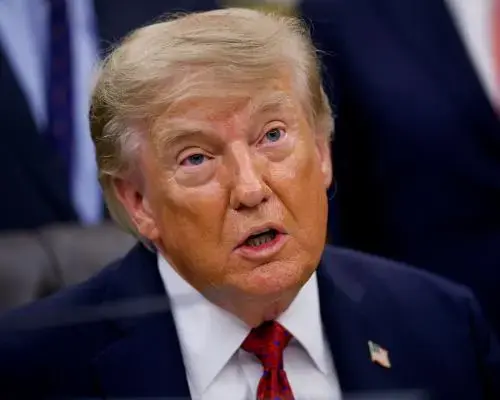
President Donald Trump is encountering significant resistance within the United States Congress regarding artificial intelligence regulation. Both Democratic lawmakers and select Republican members are actively advocating for stricter safety measures. This legislative movement targets the nation’s leading AI firms. The pressure builds as concerns about technological risks grow louder across political lines.
Latest news
 Former CIA Analyst Speaks Out After Being Fired by the Trump Administration
 Women’s Rights Activists Rally in Paris Over Sexual Violence Legislation
 Audit Reveals Critical Flaws in Middle East Medevac Plans
 EU MEP Warns of AI Risks and Calls for Global Treaty Leadership
The debate has intensified dramatically in recent days. Tech industry leaders have publicly warned about the rapid pace of AI development. They argue that the technology poses a tangible threat to humanity if left unchecked. This urgent warning has shifted the political landscape. Lawmakers who previously hesitated to regulate the sector now see a compelling case for action. The momentum suggests a potential shift in how Washington handles emerging technologies.
President Trump has largely dismissed public anxieties about AI dangers. He views the technology as a primary driver of American economic strength. However, his stance is clashing with the growing consensus in Capitol Hill. Many legislators believe that speed should not come at the cost of safety. They argue that without proper guardrails, the benefits of AI could be overshadowed by unforeseen risks.
This disagreement highlights a broader tension between executive optimism and legislative caution. While the White House promotes innovation, Congress seeks to establish a framework for accountability. The push for guardrails includes demands for transparency in how AI models are trained and deployed. Lawmakers want to ensure that private companies do not operate in a vacuum. They aim to create standards that protect consumers and workers alike.
Will Legislative Action Match Industry Speed?
The coalition supporting these rules is diverse. It includes progressive Democrats who view AI as a tool for social equity. It also includes moderate Republicans concerned about national security and job displacement. This cross-party support makes it difficult for the administration to ignore the calls for regulation. The debate is no longer confined to one side of the aisle. It has become a central issue in the current legislative session.
The core challenge facing Congress is timing. AI technology evolves at an unprecedented rate. By the time laws are drafted, debated, and passed, the technology may have already advanced significantly. Critics of the regulatory push argue that heavy-handed rules could stifle innovation. They fear that strict guidelines might give competitors in other countries an advantage. Proponents counter that waiting too long leaves the country vulnerable to catastrophic failures.
Supporters of the guardrails point to specific incidents where AI systems produced unexpected results. These examples serve as evidence that proactive management is necessary. They argue that a small amount of friction in the market is preferable to a major crisis later. The goal is to strike a balance between fostering growth and managing risk.
Frequently Asked Questions
The outcome of this standoff will shape the future of the American tech sector. If Congress passes new legislation, it will set a precedent for global AI governance. If the bill fails, the industry may continue operating under voluntary standards. The coming months will reveal whether political will can overcome corporate lobbying efforts. The stakes extend beyond the United States, influencing how the world manages its most powerful digital tools.
Who is pushing for new AI regulations in Congress? A bipartisan group of lawmakers is driving the effort. This coalition includes Democrats focused on social impact and Republicans concerned about security. They seek to impose mandatory safety checks on major AI developers.
Why is President Trump opposing these guardrails? Trump views AI as a key component of economic competitiveness. He believes that excessive regulation slows down progress. His administration prefers a lighter touch approach to maintain the lead of US tech firms.
What are the main risks cited by supporters of the rules? Advocates highlight the potential for AI to disrupt labor markets and privacy. They also worry about autonomous decision-making errors. These risks justify the need for clear legal boundaries and oversight mechanisms.