Strategic Moves in the Panama Canal Zone
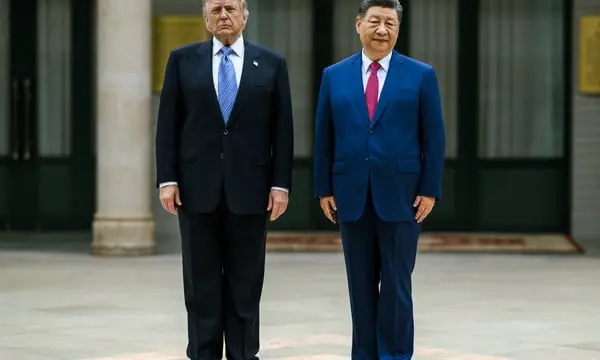
Donald Trump began his second presidential term on January 20, 2025, with a clear intent to reduce China’s growing influence across the globe, especially in the Western Hemisphere. His administration signaled early priorities to strengthen alliances and counter economic and strategic moves by Beijing in Latin America and the Caribbean. This renewed focus marks a shift from his first term’s broader trade confrontations toward a more regionally targeted strategy.
Latest news
 Anthropic Announces $31 Billion Data Centre Deal in Western Queensland
 Veteran Journalist Hugh Riminton Announces Retirement After Nearly Five Decades
 How the 1980s Permanently Shaped America
 Victorian Police Gain Random Stop-and-Search Powers Under New Jacks Law
The emphasis on the Western Hemisphere reflects concerns over Chinese investments in infrastructure, ports, and telecommunications in countries like Panama, Brazil, and Jamaica. Trump’s advisors have argued that such projects could pose long-term security risks if left unchecked. The approach combines diplomatic engagement, alternative financing offers, and pressure on allies to limit Chinese tech presence.
How Will Latin American Nations Respond?
One early action involved renegotiating terms for U. S. access to facilities near the Panama Canal, aiming to ensure American naval mobility isn’t hindered by foreign-controlled logistics hubs. Officials stated the goal isn’t to expel Chinese companies outright but to prevent exclusive control over critical transit points. Panama’s government has welcomed dialogue while maintaining its neutrality stance.
Many countries in the region benefit from Chinese investment in energy, mining, and 5G networks, creating a balancing act between economic needs and U. S. pressure. Some leaders have expressed concern over being forced to choose sides, preferring to maintain relations with both powers. Analysts warn that aggressive U. S. tactics could push nations deeper into Beijing’s orbit if alternatives lack funding or speed.
Is the U. S. planning sanctions against Chinese firms in Latin America? Not at this stage. The focus is on offering competitive alternatives and strengthening partnerships rather than imposing penalties.
Frequently Asked Questions
Will this affect trade agreements like USMCA? No direct changes are planned. The strategy centers on influence and security, not altering existing trade pacts with Mexico or Canada.
Can the U. S. match China’s investment scale in the region? Officials acknowledge the challenge but stress that speed, transparency, and security standards will be key advantages in competing for influence.