How will this affect Turkish-Iranian trade and tourism?
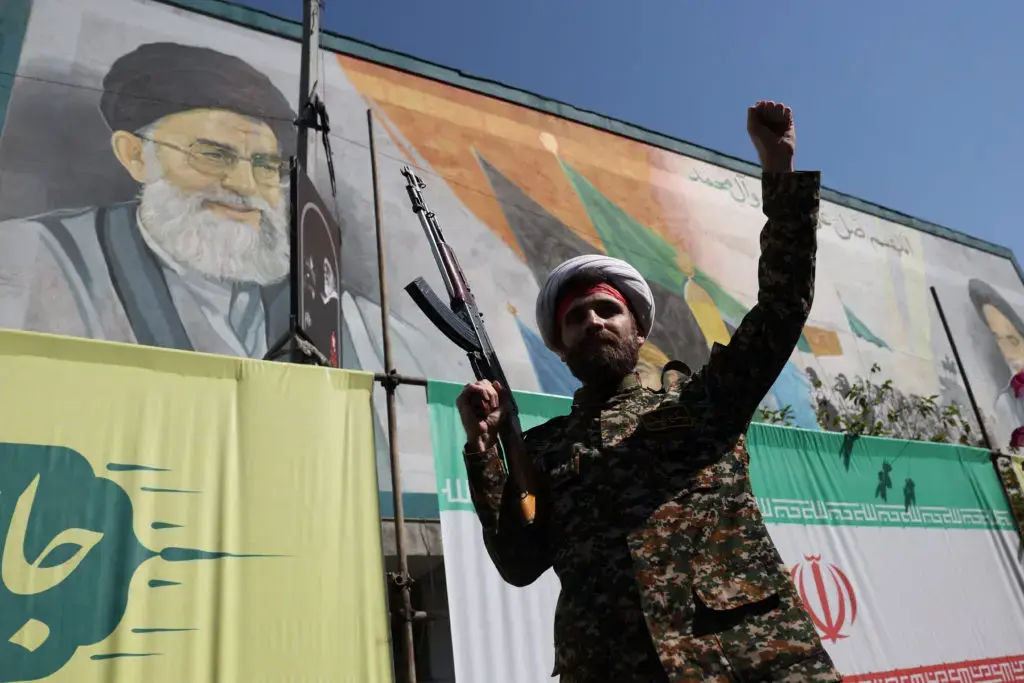
Turkey's major airlines have halted all flights to Iran effective September 21, ahead of new US sanctions targeting Tehran. Turkish Airlines, the country's flag carrier, along with low-cost subsidiaries AJet and Pegasus, confirmed the cancellations through their booking systems. The move affects routes between Istanbul and Iranian cities including Tehran, Isfahan and Shiraz, with no services scheduled until at least March next year. Industry analysts note the timing aligns with Washington's renewed pressure on Iran's nuclear program and regional influence.
Latest news
 Global Diplomacy Prepares for the 2026 UN Leadership Transition
 Donald Trump Proposes Long-Term Security Oversight for Greenland
 Tensions Escalate Between Washington and Tehran During UN General Assembly
 Stock Market Futures Hold Steady Following Strong Monday Rally
The suspensions come as the United States prepares to reimpose sweeping economic penalties on Iran, particularly targeting its energy and financial sectors. Turkish carriers cited compliance with international sanctions regimes as the primary reason for grounding flights, though none issued formal public statements. Middle East Eye's review of airline schedules showed Turkish Airlines and AJet displaying zero availability for Iran-bound flights through the winter season, while Pegasus completely removed Iranian destinations from its route map. Aviation experts suggest the decision reflects Turkey's balancing act between maintaining NATO alliances and preserving economic ties with Iran, a significant regional trade partner.
Can airlines resume services if sanctions ease?
The flight cancellations threaten to disrupt bilateral trade worth approximately $10 billion annually, with Iran relying on Turkish corridors for importing goods ranging from foodstuffs to machinery. Tourism flows, which saw over 1.5 million Iranian visitors to Turkey in 2022, are also expected to decline sharply without direct air links. While overland routes via land borders remain operational, industry officials warn that increased transit times and logistical costs could push Iranian traders toward alternative routes through the Gulf or Central Asia. Some Turkish travel agencies report already receiving cancellation notices from Iranian tour groups planning autumn trips.
Industry insiders suggest flight suspensions could be lifted quickly should diplomatic tensions de-escalate, though restoration depends on multiple factors beyond airline discretion. Turkish officials have historically advocated for dialogue with Iran, positioning Ankara as a mediator in regional disputes. However, any resumption would require verification that sanctions relief is durable and compliant with secondary restrictions affecting third-country entities. Aviation analysts note that airlines typically wait for clear policy signals before restoring suspended routes, citing reputational and financial risks associated with premature reinvestment in volatile markets.
Why did Turkish airlines cancel flights to Iran now? The cancellations coincide with the September 21 implementation date of new US sanctions targeting Iran's oil exports and financial institutions, which airlines say necessitate compliance with international restrictions.
Frequently Asked Questions
Will passengers with existing tickets receive refunds? Yes, all three carriers confirmed affected travelers are eligible for full refunds or voucher options through their standard customer service channels, though processing times may vary.
Are cargo flights also affected by this decision? The current suspensions apply specifically to passenger services; cargo operations continue to be evaluated separately based on evolving sanction guidelines and humanitarian exemptions.