Conflicting Rulings Create Legal Uncertainty
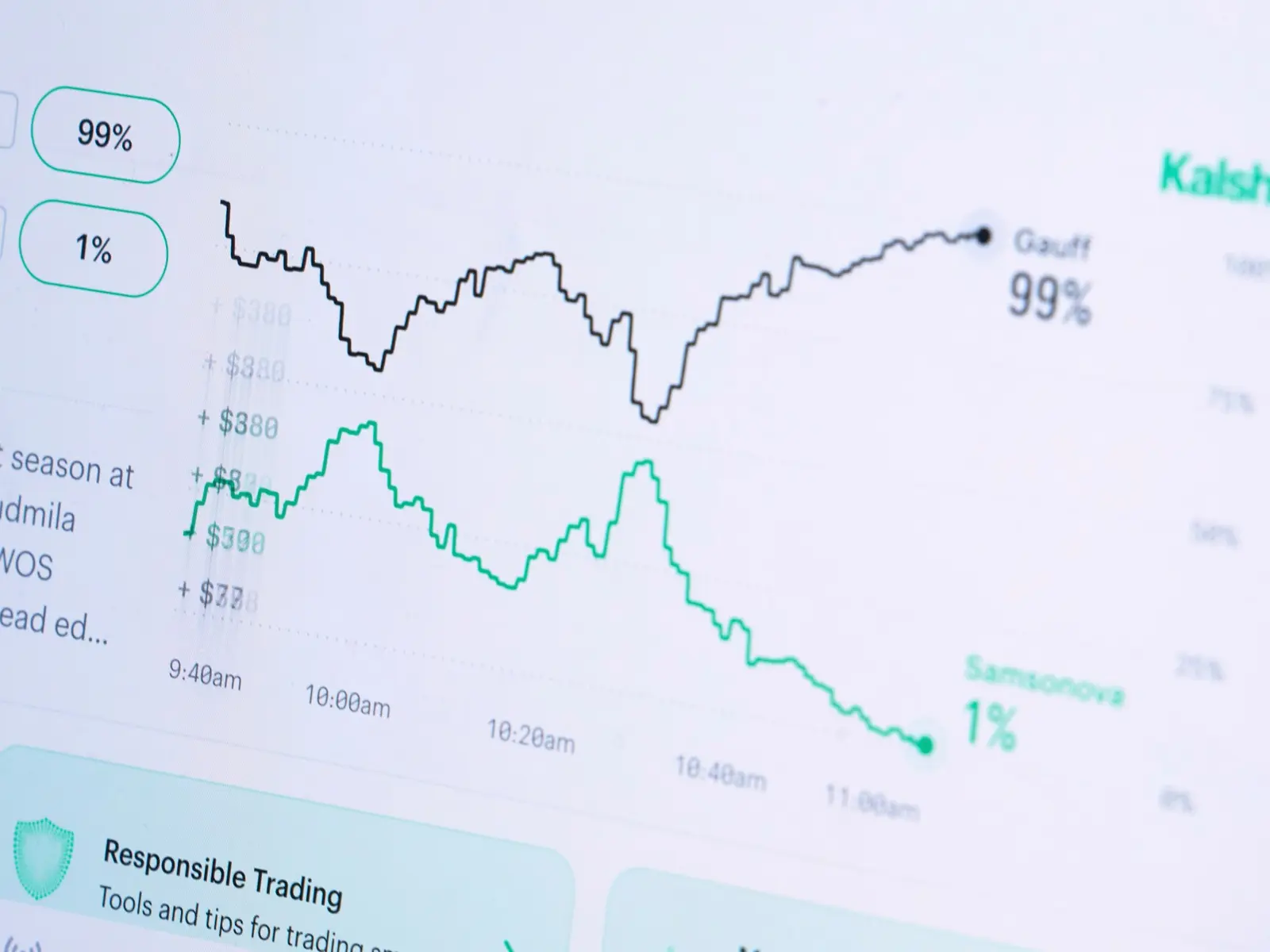
A federal appeals court has ruled that the state of New York retains the authority to regulate prediction markets. This decision directly impacts Kalshi, a major platform for trading on future events. The ruling creates a significant legal conflict between state and federal powers. It sets the stage for potential intervention by the US Supreme Court. The case highlights ongoing debates over how these financial instruments should be managed within the United States.
Latest news
 UN Expands Settlement Blacklist With 61 New Firms
 Labour Party Conference Signals New Leadership and Political Direction
 Trump Renames Vital Waterway in Social Media Post
 Blood Pressure Drop Can Shield the Brain
The Second Circuit Court of Appeals issued this verdict recently. The court determined that New York’s Department of Financial Services could enforce its rules on Kalshi. These rules require specific licensing and oversight for prediction market operators. The platform argues that federal law preempts state regulations in this sector. However, the judges sided with the state government in this instance. This outcome contrasts with rulings from other federal circuits. Those courts have generally favored a lighter regulatory touch for prediction markets.
Will the Supreme Court Resolve the Split?
The divergence among federal appeals courts is the core issue here. Different judicial districts have interpreted the relationship between state and federal authority differently. Some courts believe that if the federal government regulates an area, states must step back. Others maintain that states possess concurrent power to police financial activities within their borders. This split leaves companies like Kalshi navigating a complex patchwork of laws. They must comply with varying standards depending on where they operate. Investors and traders face uncertainty about which rules apply to their accounts. The lack of a unified national standard complicates business planning and compliance efforts.
Kalshi has challenged the New York ruling, arguing it hinders innovation. The company contends that excessive state interference stifles the growth of prediction markets. These markets allow users to bet on outcomes of political, economic, and sports events. Critics argue that state regulators are often slow to adapt to new technologies. They may impose outdated banking or insurance requirements on digital platforms. Proponents of state control claim that local oversight protects consumers from fraud. They also ensure that taxes are collected properly from winnings. The legal battle now moves toward a higher level of scrutiny.
Legal experts expect the case to reach the US Supreme Court soon. The high court often steps in when lower courts disagree on fundamental constitutional questions. A final decision would provide clarity for the entire industry. Until then, prediction market operators must prepare for multiple regulatory scenarios. Some states may tighten their grip, while others might relax restrictions. This inconsistency could fragment the US market into regional silos. Companies might need to build separate systems for different states. Such fragmentation could reduce liquidity and increase costs for all participants. The resolution of this legal dispute will define the future landscape of American prediction markets.
Frequently Asked Questions
Can states currently regulate prediction markets? Yes, but only if federal law does not explicitly preempt state authority. The recent ruling confirms that New York can enforce its own regulations on platforms like Kalshi. Other states may follow suit based on similar legal interpretations.
How does this affect Kalshi specifically? Kalshi must comply with New York’s licensing and operational requirements. This adds administrative burden and cost to the company. It may limit the platform's ability to expand freely within the state.