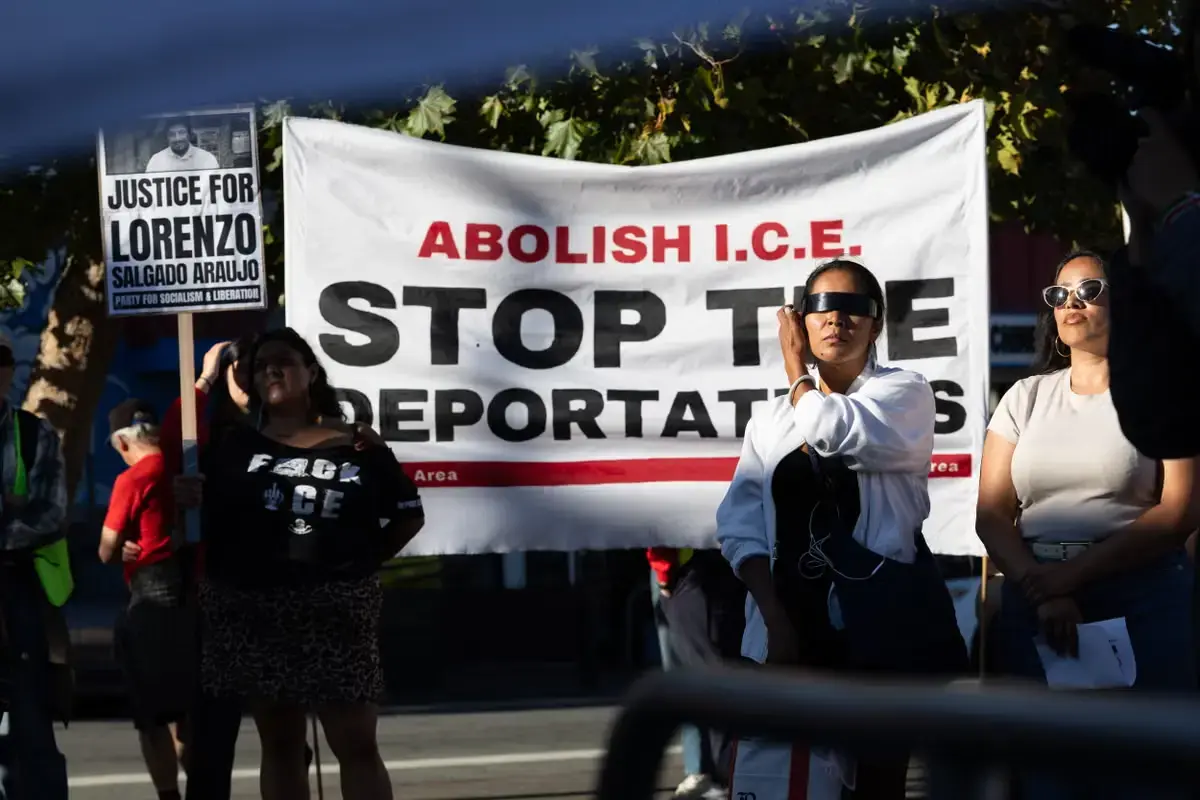
Government Scrutiny of Online Dissent
A recent investigation suggests the Department of Homeland Security (DHS) has been scrutinizing social media. Reports indicate the agency sent numerous subpoenas to social media firms. These requests targeted user posts, specifically those critical of ICE. This alleged activity raises significant concerns about privacy and free speech online.
Latest news
 IMF Cuts Australia Growth Forecast Amid Rate Hike Warnings
 Nicaraguan Exile Journalist Luis Galeano Detained by U.S. ICE in Florida
 Congress Passes Bill Granting Trump Expanded Sanctions Authority
 AI pioneer Yoshua Bengio warns of imminent crisis
This extensive surveillance effort reportedly involved hundredsof formal demands. These demands compelled social media companies to hand over user data. The primary goal was to identify individuals who expressed negative views about Immigration and Customs Enforcement (ICE). Such actions could have a chilling effect on public discourse.
The investigation highlights a pattern of government agencies monitoring online platforms. This practice aims to uncover and identify critics. The use of subpoenas against social media companies is a powerful tool. It allows agencies to bypass traditional warrants in some cases. This raises questions about legal oversight and accountability.
What Are the Implications for Online Privacy?
The specific focus on ICE critics suggests a targeted approach. This could be an attempt to silence opposition or gather intelligence on activist groups. Civil liberties advocates are expressing alarm over these revelations. They argue such actions undermine fundamental democratic principles.
The alleged actions by DHS could significantly impact user privacy. Individuals may feel hesitant to express their opinions online. This fear of government surveillance could stifle legitimate criticism. It also blurs the lines between national security and political monitoring.
The long-term consequences could include a less open internet. Users might self-censor to avoid potential repercussions. This situation demands greater transparency from government agencies. It also calls for stronger protections for online speech.
Frequently Asked Questions
What exactly did the Department of Homeland Security do? The DHS reportedly issued hundreds of subpoenas to social media companies. These subpoenas sought information about users who posted critical comments regarding ICE.
Why is this considered controversial? This action is controversial because it targets critics and raises concerns about free speech and privacy. It suggests government surveillance of political dissent, which can have a chilling effect on public discourse.
What are the potential consequences for social media users? Users might become hesitant to express critical opinions online, leading to self-censorship. This could result in a less open and diverse online environment for public discussion.