Why the Film’s Warning Was Missed
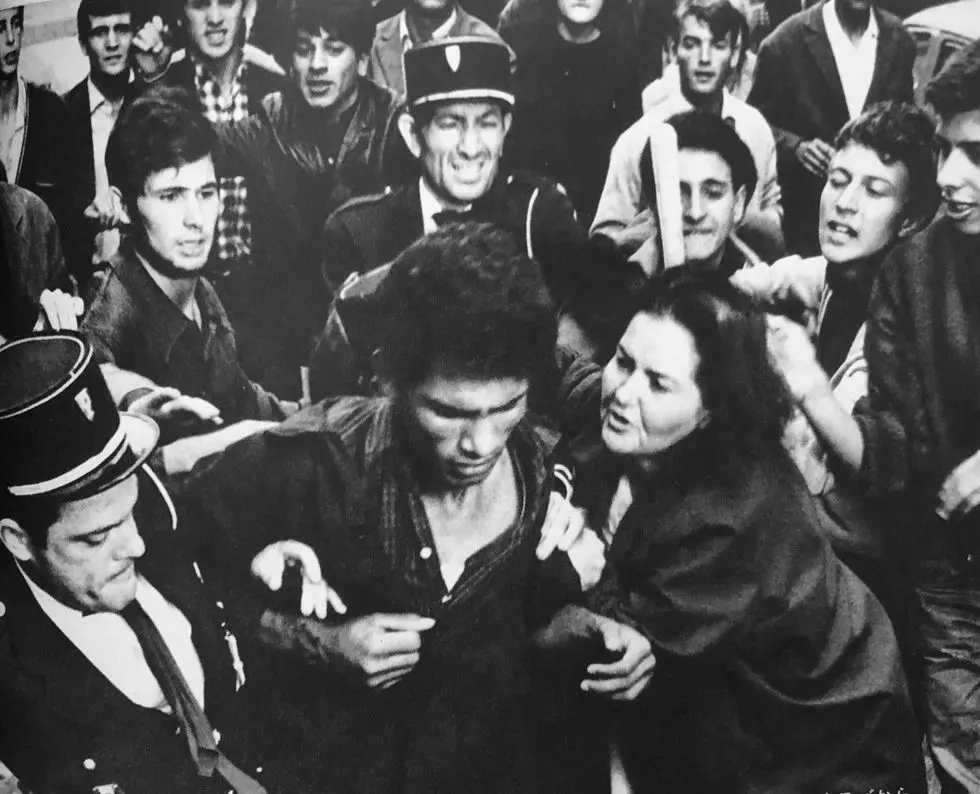
In 1967, U. S. military officials screened Gillo Pontecorvo’s film ' The Battle of Algiers' at Fort Bragg as part of counterinsurgency training, hoping to extract lessons from its depiction of urban warfare in Algeria. The film, which dramatizes the FLN’s struggle against French paratroopers, was intended to inform American tactics in Vietnam. Despite its realistic portrayal of torture, intelligence gathering, and civilian repression, U. S. commanders largely ignored its critical warnings about the long-term costs of brutal pacification.
Latest news
 Former CIA Analyst Speaks Out After Being Fired by the Trump Administration
 Women’s Rights Activists Rally in Paris Over Sexual Violence Legislation
 Audit Reveals Critical Flaws in Middle East Medevac Plans
 EU MEP Warns of AI Risks and Calls for Global Treaty Leadership
The screening occurred amid growing U. S. involvement in Vietnam, where officials sought models for suppressing guerrilla insurgencies. Pontecorvo’s film, shot in a documentary style with non-professional actors, was praised for its authenticity. Yet while American officers focused on Colonel Mathieu’s disciplined methods—such as checkpoints, curfews, and systematic arrests—they overlooked the film’s central message: that victory through repression fuels deeper resistance and erodes legitimacy. The U. S. failed to adapt its strategy, continuing to rely on heavy-handed tactics that alienated local populations.
What Did the U. S. Actually Learn from the Screening?
U. S. military analysts treated the film as a tactical manual rather than a moral and political critique. They studied Mathieu’s use of intelligence networks and interrogation techniques but dismissed the film’s portrayal of civilian suffering and rising nationalist fervor as dramatic exaggeration. Internal memos from the time show commanders believed they could apply French methods more humanely and effectively. This confidence ignored the film’s implicit argument: that no amount of technical efficiency can win a war against a population that sees its occupiers as illegitimate.
The primary takeaway was operational: the value of centralized command, rapid intelligence sharing, and targeting insurgent leadership. Officers praised the film’s depiction of command-room coordination and the use of informants. However, they rejected the idea that such methods required strict ethical boundaries or that indiscriminate violence would backfire. The screening reinforced existing beliefs in technological and procedural superiority, not the need for political accommodation or restraint.
Can a Film Really Teach Military Leaders About War?
While films like ' The Battle of Algiers' offer visceral insights into the chaos and moral ambiguity of conflict, their utility depends on how they are interpreted. The U. S. experience shows that without critical reflection, even the most realistic portrayals can be misread as endorsement rather than caution. True learning requires confronting uncomfortable truths—not just copying tactics but questioning their consequences in human and strategic terms.
Why did the U. S. military screen ' The Battle of Algiers' during the Vietnam War? Officials hoped to study French counterinsurgency tactics in Algeria to apply similar methods against Viet Cong guerrillas, believing the film offered a realistic guide to urban warfare.
Frequently Asked Questions
What key lesson from the film did U. S. commanders ignore? They overlooked the film’s warning that brutal repression, even when tactically successful, undermines long-term legitimacy and strengthens insurgent resolve by alienating the civilian population.
Did the screening change U. S. tactics in Vietnam? No evidence suggests it led to meaningful reform; U. S. forces continued to rely on search-and-destroy tactics and heavy firepower, which often increased civilian casualties and strengthened enemy recruitment.