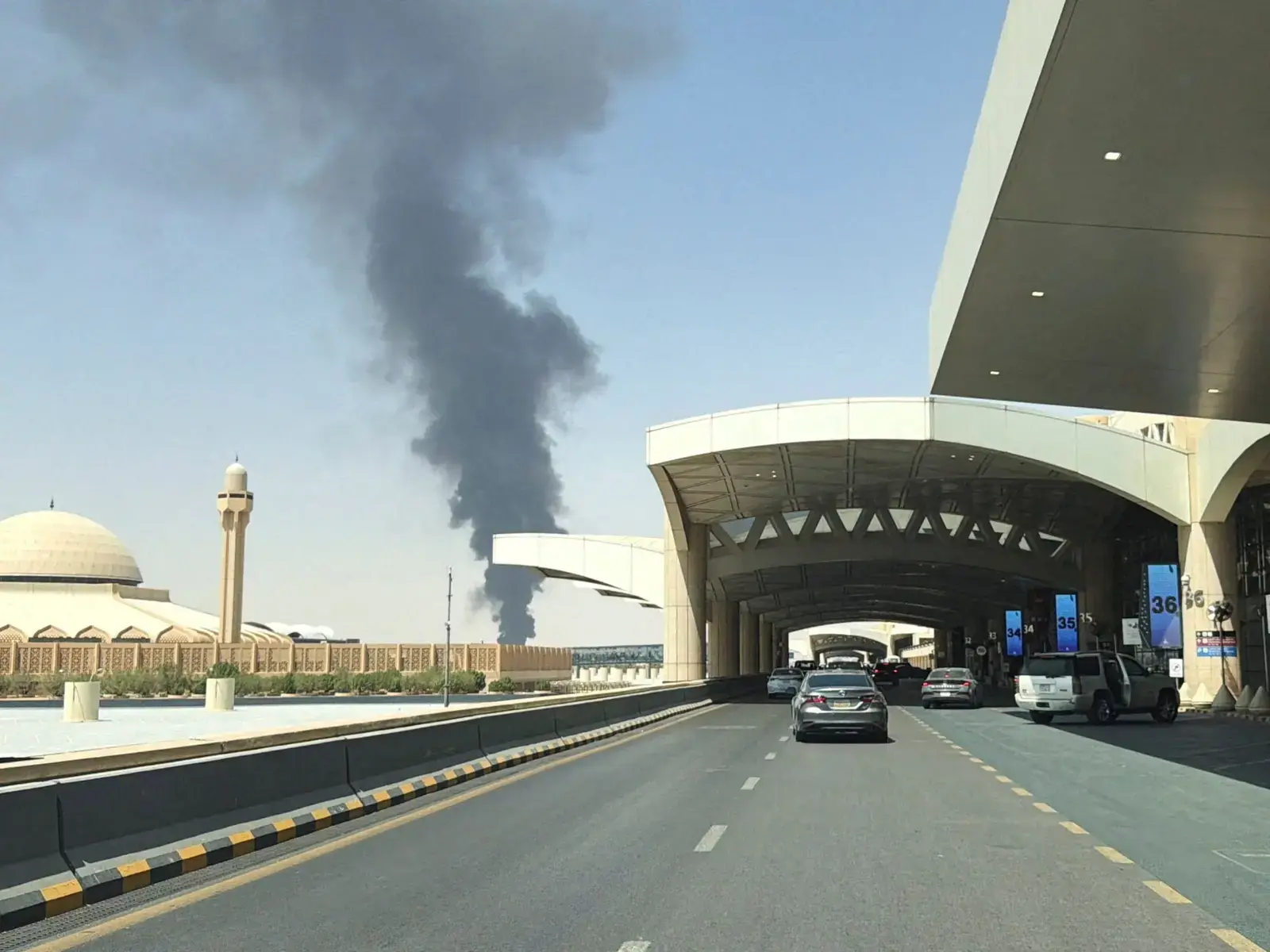
What Are Iran's Seven Negotiation Demands?
Iran's security chief Mohsen Rezaei announced seven preconditions for any negotiations with the United States, demanding an end to what he called ongoing conflicts and sanctions relief. The statement came as Saudi Arabia reported foiling a significant attack on its capital city, highlighting escalating regional tensions.
Latest news
 Australia Seeks Tech Giant Help to Bolster Online Safety and AI Rules
 Former Syrian General Arrested Over Civil War Operations
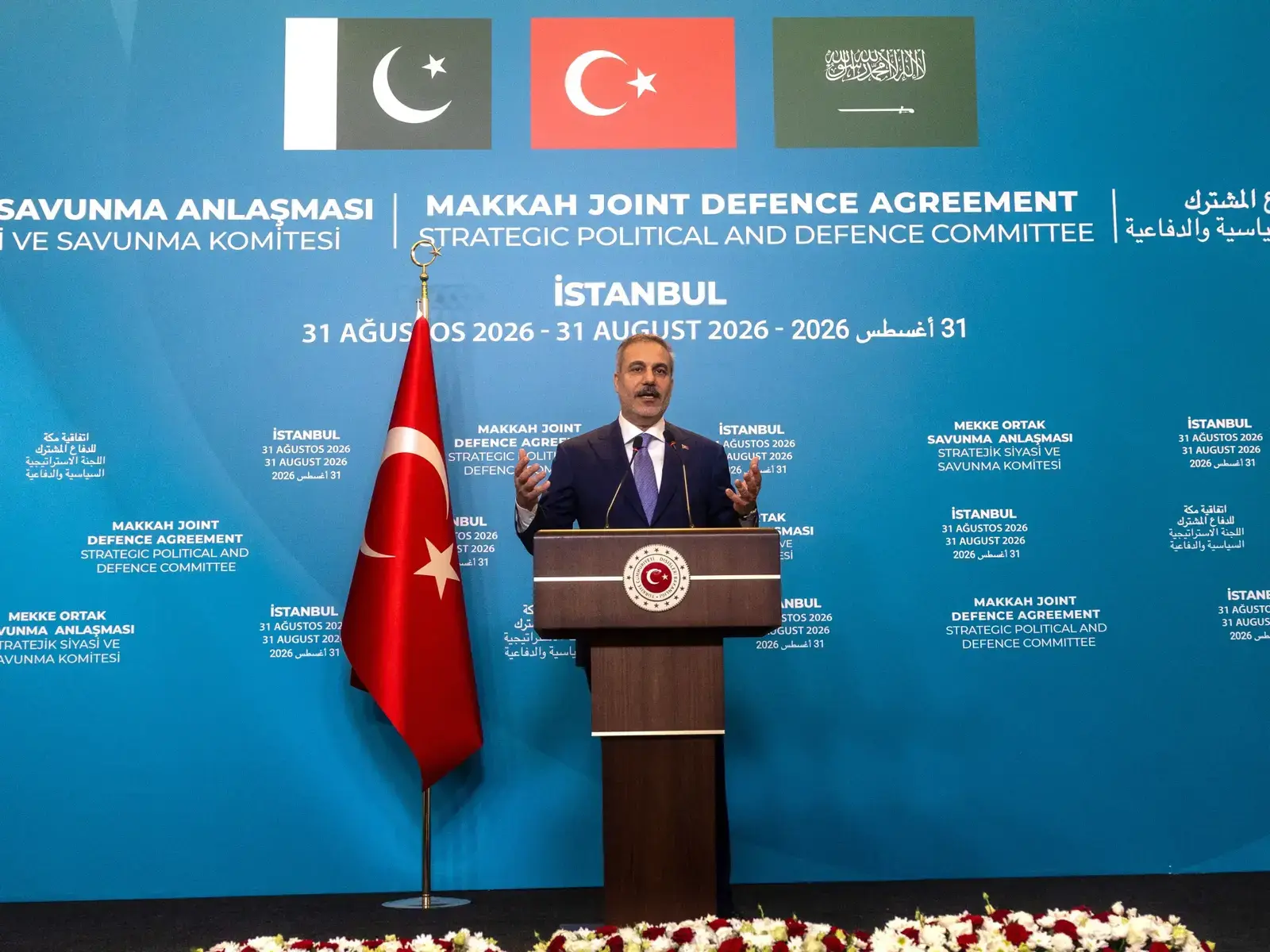 Turkiye pledges military support to Riyadh as Houthi threats rise
 Escalating Tensions in the West Bank Lead to Arrests and Property Damage
Rezaei outlined Iran's position in a post on social media platform X, stating that Tehran requires recognition of its sovereign rights before engaging in diplomatic discussions. The conditions reportedly include a complete cessation of hostilities across all fronts where Iranian interests are involved, alongside the removal of American economic sanctions that have impacted the country's economy.
The security chief emphasized that Iran's approach to talks remains firm despite international pressure. Rezaei's message indicated that any meaningful dialogue must address fundamental issues including Iran's nuclear program rights, regional security arrangements, and the establishment of mutual respect in international relations. He stressed that superficial agreements would not suffice, insisting on comprehensive solutions that acknowledge Iran's position as a regional power deserving of dignity in diplomatic exchanges.
Regional dynamics grew more complex as Saudi Arabia's military announced successfully intercepting multiple hostile targets near Riyadh. The Saudi Press Agency reported that defensive systems neutralized the threat without casualties, though details about the origin of the projectiles remained unclear. This incident occurred shortly after Iran's hardline stance on negotiations, suggesting coordinated or retaliatory actions may be unfolding across the region.
How Is the Escalation Affecting Regional Stability?
International observers express growing concern about potential miscalculations leading to broader conflict. The timing of Iran's conditional peace offer coincides with increased military activity throughout the Middle East, including maritime tensions in the Persian Gulf and cross-border incidents in Iraq and Syria. Diplomatic sources indicate that several nations are preparing contingency plans while simultaneously exploring backchannel communications to prevent further deterioration.
The situation remains fluid as both sides maintain their positions. Iran continues developing its ballistic missile capabilities while the United States reinforces its regional military presence. Economic markets show signs of volatility, particularly in energy sectors, as traders factor in potential supply disruptions. Humanitarian organizations warn that ordinary citizens across multiple countries face increasing hardship due to sanctions and conflict-related infrastructure damage.
What specific conditions did Iran outline for US negotiations?
Iran's security chief stated seven requirements including an end to all ongoing conflicts involving Iranian interests, removal of US sanctions, recognition of Iran's nuclear rights, and assurance of non-interference in domestic affairs. These conditions reflect Tehran's demand for comprehensive diplomatic recognition rather than piecemeal agreements.
Frequently Asked Questions
Did Saudi Arabia provide details about the foiled Riyadh attack?
Saudi military officials confirmed intercepting multiple hostile targets near the capital but withheld specifics about the attack's origin or scale. They emphasized that defensive systems prevented any damage or casualties, maintaining security protocols typical during heightened regional tensions.
What are the immediate risks of continued escalation?
Regional analysts identify several danger zones including potential miscalculation between Iranian and US forces, disruption of critical oil shipping lanes, and spillover effects in neighboring countries. The combination of Iran's hardline negotiating stance and active military posturing increases chances of accidental engagement that could rapidly expand beyond current participants.