Iran Outlines Demands Amid Escalating Tensions
Iran has delivered a formal list of conditions to the United States via Qatari intermediaries, aiming to halt ongoing military tensions between the two nations, according to a senior Iranian security official speaking to Al Jazeera. The move comes as regional conflicts continue to simmer, with Tehran signaling potential openness to diplomatic engagement.
Latest news
 UAE avoids answering whether it warned Netanyahu before October 7 attack
 Tehran Confirms Pakistani Interior Minister Visit Without US Message Expectation
 Middle East Situation Could Escalate Rapidly, US Warns Citizens
 Turkish Foreign Minister Says New Proposals Sent to US and Iran to End War
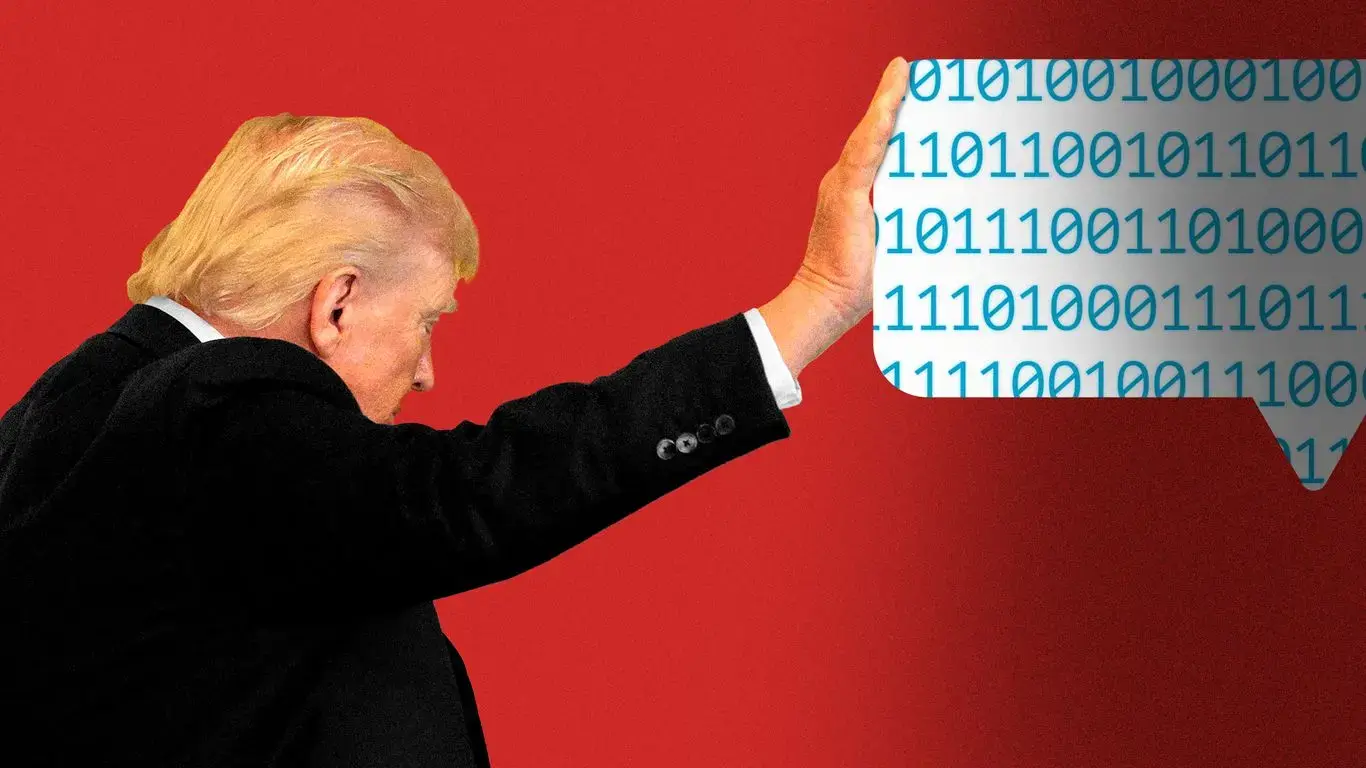
Mohsen Rezaei, Secretary of Iran’s Supreme National Security Council, stated that his government remains in communication with Qatar, which has acted as an intermediary to relay Tehran’s demands to Washington. „We are currently waiting for a response from President Donald Trump,” Rezaei said, emphasizing that Iran’s stance is contingent on reciprocal actions from the U. S. side.
Rezaei did not specify the exact nature of the conditions but indicated they relate to broader issues of regional security, sanctions relief, and mutual non-aggression. Iranian officials have previously linked de-escalation efforts to the removal of economic sanctions imposed by the U. S. and its allies. The country has also demanded guarantees against future military incursions, particularly following years of heightened rhetoric and occasional skirmishes in the Persian Gulf.
Will Washington Accept Iran’s Terms?
Regional analysts suggest that Iran’s outreach through Qatar reflects a strategic pivot toward diplomacy, possibly driven by mounting economic pressures exacerbated by prolonged isolation. Qatar, which maintains diplomatic ties with both Iran and the U. S., has intermittently served as a backchannel for negotiations in past crises.
The White House has not yet issued a public response to Iran’s reported conditions. However, U. S. foreign policy experts note that any meaningful dialogue would likely require concessions from both sides. Past attempts at rapprochement, including the 2015 nuclear deal, collapsed amid mutual distrust and shifting political dynamics.
Iranian President Hassan Rouhani recently reiterated his government’s commitment to protecting national interests while avoiding unnecessary conflict. Meanwhile, Supreme Leader Ayatollah Ali Khamenei has cautioned against hasty negotiations, insisting that any agreement must preserve Iran’s sovereignty and regional influence.
If accepted, Iran’s conditions could pave the way for renewed talks aimed at stabilizing the Middle East. However, deep-seated mistrust and competing geopolitical agendas may complicate efforts to reach a lasting resolution.
Frequently Asked Questions
What conditions did Iran set for ending the conflict? Iran has not disclosed specifics, but officials have hinted at demands including sanctions relief, security assurances, and an end to U. S. military presence in neighboring regions.
Is Qatar mediating talks between Iran and the U. S.? Yes, Qatar has historically played a mediating role, facilitating indirect communications between Tehran and Washington during previous periods of tension.
What is the likelihood of a U. S. response soon? Given the complexity of bilateral relations and ongoing domestic politics in both countries, experts expect any formal reply to take several weeks, if at all.