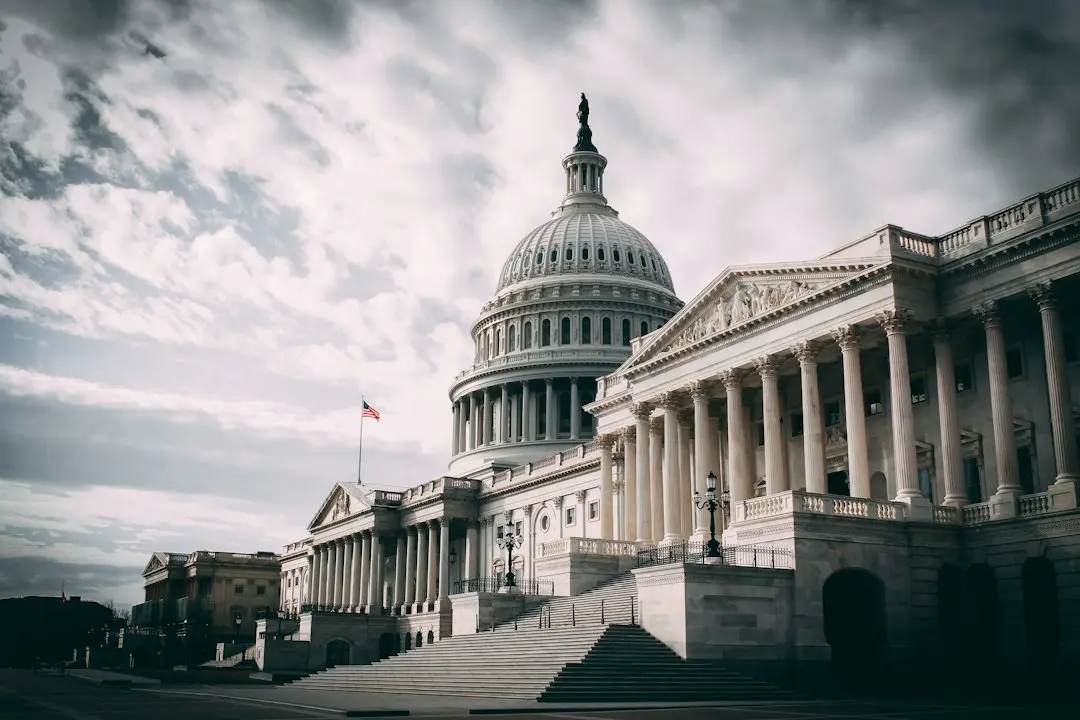
The plan aims to build trust while creating space for longer-term negotiations
The United States has held positive and constructive discussions with Iran via intermediaries, a senior US official confirmed on Friday. The talks focus on nuclear issues and follow Iran’s presentation of a detailed seven-day proposal to address ongoing concerns. The official spoke after Iran’s foreign minister described the plan as concrete and actionable. These indirect negotiations mark a renewed effort to de-escalate tensions surrounding Iran’s nuclear program. Mediators have facilitated communication between Washington and Tehran, allowing both sides to explore potential compromises without direct contact. The seven-day plan reportedly outlines specific steps Iran could take to limit uranium enrichment in exchange for sanctions relief. What Does the Seven-Day Plan Involve? Iran’s proposal includes a temporary freeze on uranium enrichment above 60 percent and increased access for international inspectors. In return, Tehran seeks relief from certain economic sanctions, particularly those affecting oil and banking sectors.
Latest news
 Luna Wong's death exposes systemic failures in UK student care
 Study Suggests Drones Could Speed Up Defibrillator Delivery for Cardiac Arrest Victims
 How Russia Recruits Belarusians for Ukraine War: Methods and Consequences
 Europe Conducts Real-World War Games Amid Rising Russian Threat Concerns
The plan aims to build trust while creating space for longer-term negotiations on nuclear restrictions. US officials have not disclosed whether they have accepted the proposal but acknowledged its seriousness. The State Department emphasized that any agreement must be verifiable and sustainable. Analysts suggest the short-term nature of the plan could serve as a confidence-building measure ahead of broader talks. How Might This Affect Regional Stability? Successful engagement could reduce the risk of military confrontation in the Gulf and ease pressure on global oil markets. Neighboring countries, including Saudi Arabia and Israel, have expressed cautious optimism while urging vigilance. Any de-escalation would also alleviate concerns about a potential arms race in the Middle East. However, skeptics warn that past agreements have collapsed due to lack of follow-through or shifting political winds. Both domestic opposition in Iran and hardline factions in the US Congress could challenge any deal.
Sustained diplomatic effort will be needed to turn initial progress into lasting results. Frequently Asked Questions What role are mediators playing in the US-Iran talks? Mediators are facilitating indirect communication between the United States and Iran, helping convey proposals and responses without direct meetings. Their involvement aims to reduce mistrust and keep dialogue open amid heightened tensions. Why is the seven-day timeframe significant? The short duration allows both sides to test compliance and intentions quickly, minimizing risk while exploring whether broader agreement is possible. It functions as a trial period for confidence-building measures. What happens if the talks fail? If negotiations break down, there is a heightened risk of increased uranium enrichment by Iran and potential sanctions escalation by the US, raising fears of regional instability or military escalation.