How Qatar Is Positioning Itself as a Gulf Mediator
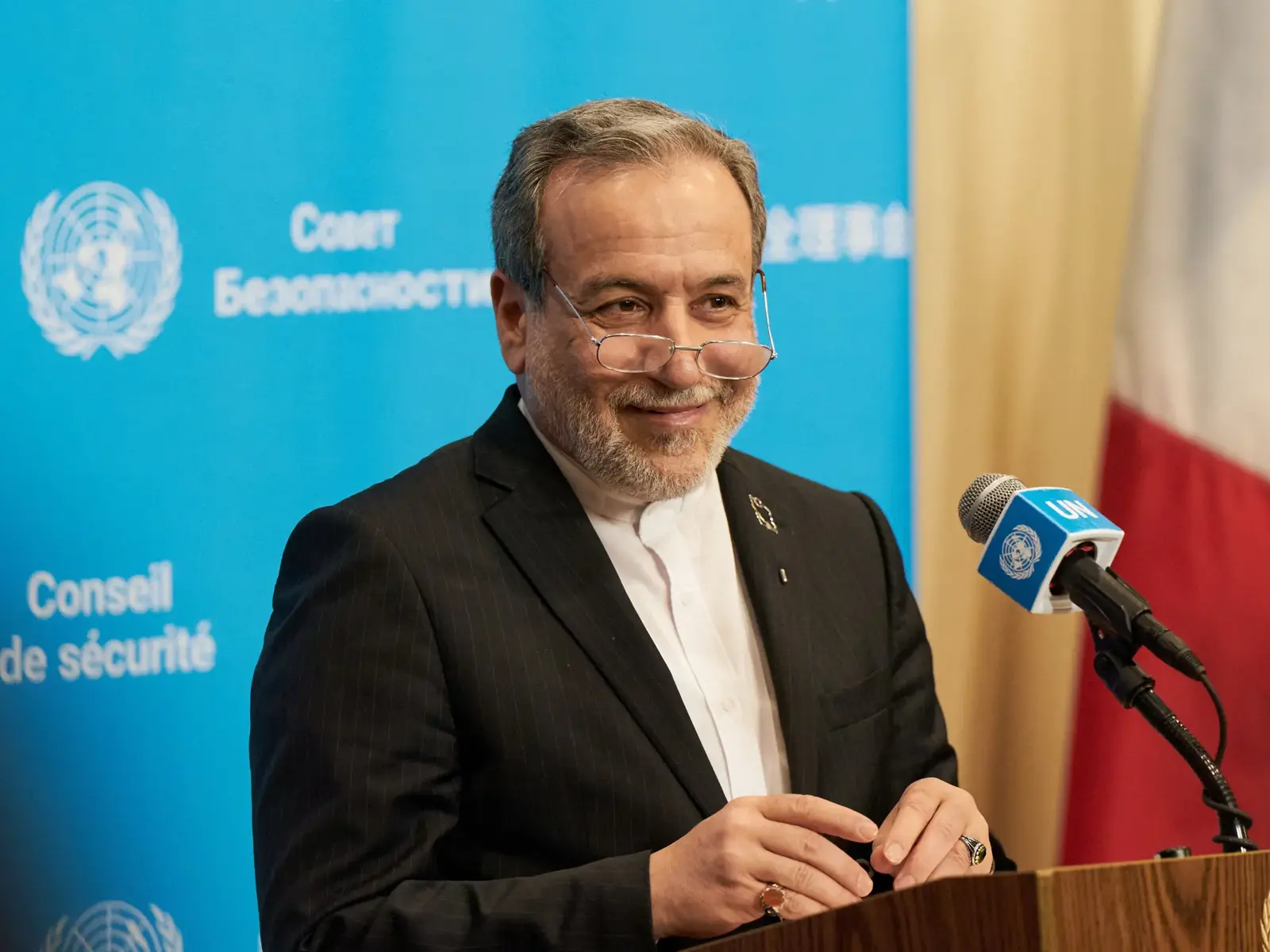
Tehran’s top diplomat Abbas Araghchi held talks in Doha with Qatari mediators as Washington insists nuclear issues must be resolved before any agreement on regional security can proceed. The meeting took place on Monday amid growing tension over maritime safety in the Strait of Hormuz, where Tehran has proposed a plan to ease vessel traffic. Iranian officials say they are awaiting a formal response from regional partners on the initiative, which aims to reduce risks for commercial shipping. Meanwhile, a senior US State Department official reiterated that no deal on Hormuz or other regional matters will be possible unless Iran engages seriously on its nuclear program. The comments underscore the linkage Washington is making between de-escalation in the Gulf and progress on nuclear negotiations, which have stalled since 2022.
Latest news
 US Officials Question Bail Decisions Following Security Breach at RAF Fairford
 Eighty-Seven-Year-Old Evicted Tenant Set to Return Home
 Argentina Threatens Legal Action Over Falklands Oil Drilling
 Rights Advocates Condemn Alleged Vietnamese Abductions
Araghchi’s visit to Qatar highlights Tehran’s effort to use diplomatic channels to manage crises while resisting direct talks with the United States.
Qatar has positioned itself as a neutral broker in regional disputes, maintaining communication channels with both Iran and Western powers despite broader Gulf divisions. Doha hosted indirect talks between Iran and the United States in 2021 and 2022, and continues to facilitate dialogue on maritime security and detainee exchanges. Iranian officials have repeatedly praised Qatar’s role, describing it as constructive and non-interventionist. During Araghchi’s visit, Qatari officials emphasized their commitment to reducing tensions through diplomacy, though they avoided detailing any specific proposals discussed. Analysts note that Qatar’s balancing act relies on its unique relationships: it hosts a major US military base while maintaining economic and political ties with Tehran. This dual access allows Doha to act as a conduit when direct communication breaks down, though its influence remains limited without broader regional consensus or US-Iran reciprocity.
What Are the Chances of a Hormuz Deal Without Nuclear Progress?
The likelihood of a standalone agreement on Hormuz remains low as long as Washington insists on linking maritime security to nuclear concessions. Iranian officials have framed their Hormuz plan as a unilateral measure to enhance safety, but they expect reciprocal steps, such as easing sanctions or reducing naval presence. The United States, however, views any regional arrangement as incomplete without assurances on Iran’s nuclear activities, which it says could enable broader destabilization. A senior US official, speaking on condition of anonymity, told reporters that „there will be no deal unless nuclear issues are addressed,” echoing a longstanding position. Iran, meanwhile, has refused to renegotiate the 2015 nuclear deal or accept new constraints without sanctions relief. This deadlock means that even if Qatar succeeds in fostering dialogue, substantive progress on Hormuz is unlikely without a breakthrough in the stalled nuclear track.
Both sides appear to be managing expectations rather than seeking immediate resolution.
Frequently Asked Questions
Why is the Strait of Hormuz strategically important? The Strait of Hormuz is a critical chokepoint for global oil shipments, with about 20% of the world’s petroleum passing through it daily. Any disruption could trigger significant energy market volatility and affect economies reliant on Gulf exports.
What does Iran’s Hormuz plan involve? Tehran has proposed a framework to improve safety for commercial vessels, including coordination mechanisms and reduced naval posturing, though specific operational details have not been made public. It says the plan is ready for implementation pending regional agreement.
Can Qatar facilitate direct US-Iran talks? Qatar has hosted indirect discussions in the past but has not succeeded in arranging direct negotiations between Washington and Tehran. Its role remains limited to message-passing and confidence-building, contingent on both sides’ willingness to engage.