How Has Iran Achieved This Maritime Shift?
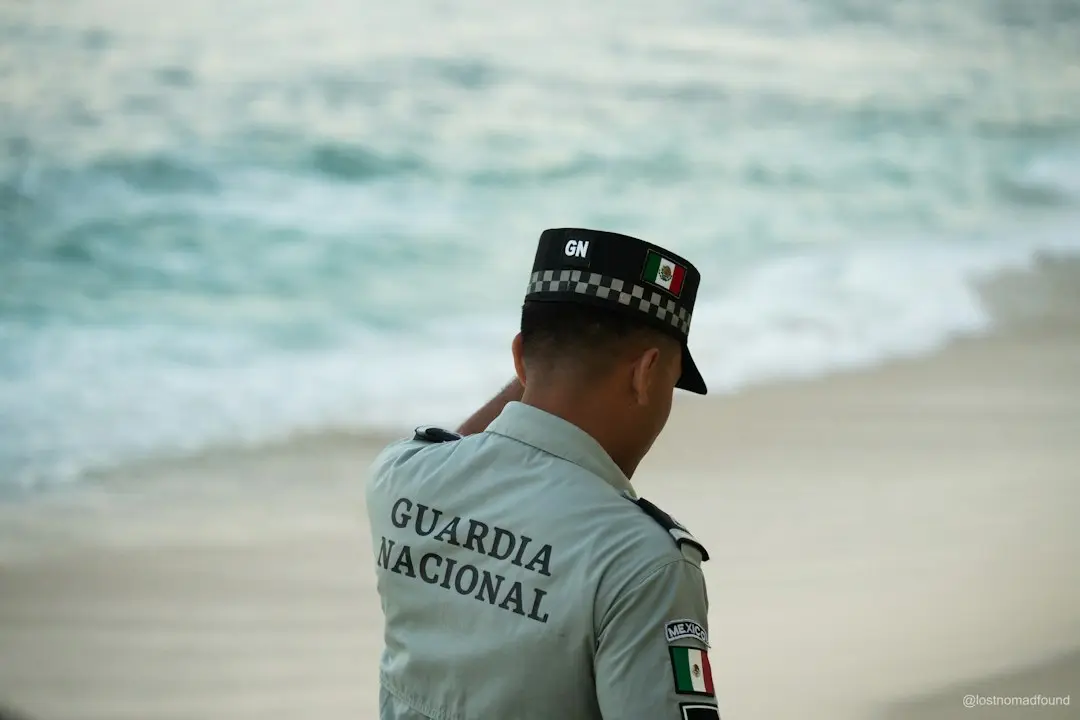
An Iranian Revolutionary Guard Corps official declared that foreign naval vessels have withdrawn to distances exceeding 1,000 kilometres from Iran's territorial waters in the Gulf, marking a significant shift in regional maritime presence. Yadollah Javani, the political deputy of the IRGC, made the statement during a press briefing in Tehran, noting that previously dozens of foreign warships routinely operated in the area but have now moved far beyond what Iran considers its immediate vicinity. The announcement comes amid ongoing tensions between Iran and Western powers over naval activity and security in the strategic waterway.
Latest news
 French Students Face Harsh Crackdown During Nationwide School Protests
 Coalition Admits Immigration Policy Lacks Full Independent Costing
 Tony Wilson and the Factory Records Legacy Return to Cinemas
 Israel Marks Three Years Since the October 7 Hamas Attacks
The official emphasized that the withdrawal reflects Iran's growing influence and ability to assert control over its maritime approaches, suggesting that adversarial fleets no longer feel secure operating near Iranian shores. Javani contrasted the current situation with past years when foreign naval patrols were common, implying that Iran's defensive posture and regional alliances have deterred prolonged foreign presence. He did not specify which countries' vessels had withdrawn or provide exact timelines for the movement, but framed the shift as a strategic success for Tehran's naval doctrine.
What Does This Mean for Regional Security?
Iran attributes the retreat of foreign warships to its enhanced naval capabilities, including increased patrols by IRGC naval forces and the deployment of advanced missile systems along the Gulf coast. Officials have repeatedly warned that any vessel approaching too closely risks confrontation, contributing to a calculated deterrence strategy. Analysts suggest that Iran's partnerships with regional actors and its asymmetric warfare tactics have made sustained foreign naval operations increasingly costly and risky, prompting navies to operate from safer distances such as the Arabian Sea or Red Sea.
The claimed withdrawal raises questions about freedom of navigation in one of the world's most critical oil transit routes, where tankers and commercial shipping rely on stable conditions. While Iran frames the development as a victory for sovereignty, international observers warn that reduced foreign naval presence could embolden unilateral actions or increase vulnerability to smuggling and illicit transfers. The long-term stability of the Gulf may depend on whether diplomatic channels can address underlying tensions or if military posturing continues to dominate interactions between Tehran and external powers.
Frequently Asked Questions
Who made the statement about foreign warship withdrawal? Yadollah Javani, the political deputy of Iran's Islamic Revolution Guard Corps (IRGC), announced that foreign warships have moved over 1,000 kilometres away from Iran's territorial waters in the Gulf.
Is there independent verification of the warships' current locations? The statement relies solely on IRGC claims; no external military or satellite data was provided to confirm the exact positioning or number of vessels that have withdrawn from the region.