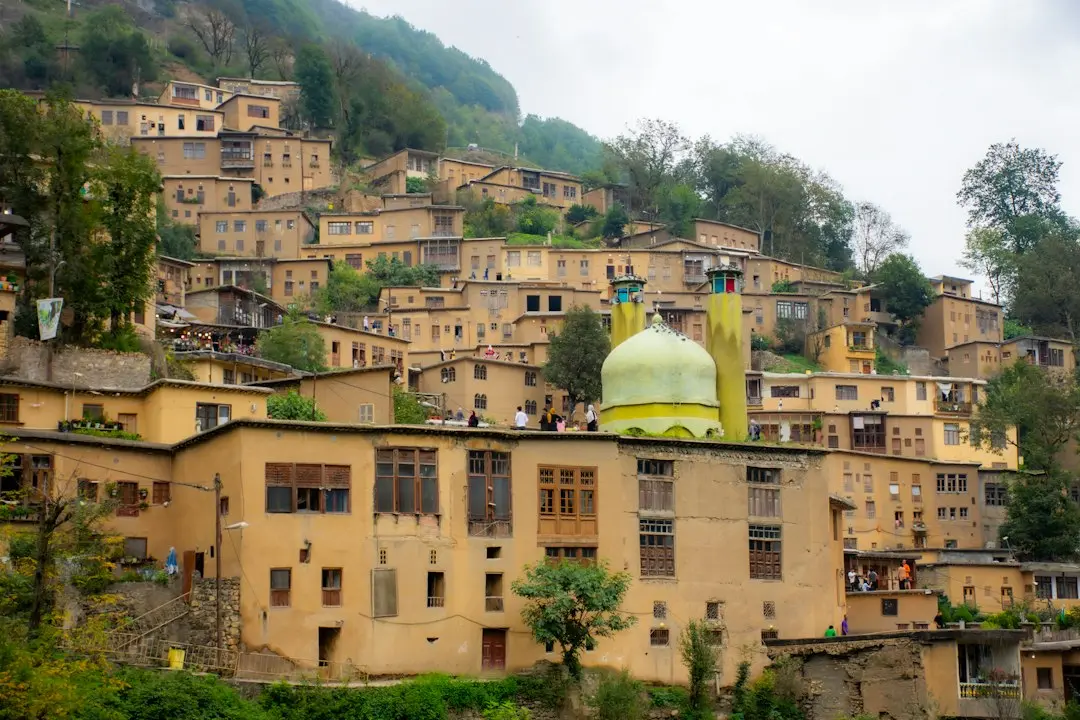
The region has been a focal point of cross-border tensions
The Israeli military conducted a large-scale explosion in the town of Mansouri, located in southern Lebanon, on Monday. The blast was powerful enough to be heard in the nearby city of Tyre and several surrounding villages. Mansouri lies approximately nine kilometres south of Tyre, an area that has seen heightened military activity in recent months. The explosion was confirmed by Lebanon’s state news agency, which reported on the incident shortly after it occurred. No immediate casualties were reported in the initial accounts, though the full extent of the damage remains under assessment. Local residents described the blast as sudden and intense, shaking buildings and rattling windows across the region. What Prompted the Explosion in Mansouri? Israeli officials have not publicly detailed the specific purpose of the explosion, but military operations in southern Lebanon often target infrastructure suspected of being used by armed groups.
Latest news
 G20 Trade Ministers Gather in Wisconsin Amid Tariff Tension
 Senate Democrats Unite to Push for West Bank Violence Report
 Sandino's Rebellion Against U.S. Occupation Begins in Nicaragua
 Diesel Surpasses Gasoline as Europe's Most Expensive Fuel
The region has been a focal point of cross-border tensions, particularly following escalations along the Israel-Lebanon frontier. Analysts suggest such detonations may aim to destroy tunnels, weapons caches, or observation posts believed to be linked to Hezbollah or other factions. The Israeli military typically frames such actions as preventive measures to secure its northern border. However, Lebanese authorities and international observers frequently criticize these operations as violations of sovereignty and risks to civilian safety. The lack of transparency around the exact target in Mansouri has fueled speculation and concern among local communities and humanitarian monitors. How Are Residents Responding to the Blast? Residents of Mansouri and nearby towns reported feeling the shockwave clearly, with many rushing to check on neighbors and inspect property damage. Some described dust and debris filling the air momentarily after the explosion.
Local municipal workers began assessing structural impacts on homes and roads
Local municipal workers began assessing structural impacts on homes and roads shortly after the event. While no fatalities were confirmed in early reports, concerns linger over potential long-term displacement or psychological trauma, especially in a region already strained by economic hardship and periodic conflict. Community leaders urged calm and called for international attention to the recurring nature of such incidents in south Lebanon. They emphasized the need for protective measures to shield civilians from the effects of cross-border military actions, even when no direct combat is reported. Frequently Asked Questions Was anyone injured in the explosion in Mansouri? Initial reports from Lebanese state media and local sources did not confirm any casualties or injuries resulting from the blast. However, authorities noted that assessments were ongoing, particularly regarding structural damage to buildings and infrastructure in the immediate vicinity. Why does Israel conduct explosions in southern Lebanon?
Israel states that such operations are aimed at neutralizing threats posed by armed groups operating near its border, including alleged tunnels and weapons storage sites. These actions are presented as part of broader efforts to prevent cross-border attacks, though they are often disputed by Lebanon and international bodies as infringements on Lebanese territory. What is the significance of Mansouri’s location? Mansouri is situated in southern Lebanon, roughly nine kilometres south of the city of Tyre, placing it close to the Israeli-occupied Shebaa Farms and the Blue Line border. Its proximity to the frontier makes it a recurrent site of military activity and surveillance by both Israeli forces and Lebanese authorities.