Maritime Maneuvers and Strategic Friction
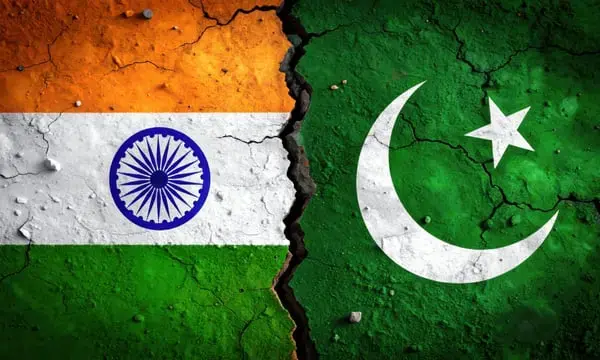
Tensions between India and Pakistan reached a breaking point on September 15 following a tense naval confrontation in the Arabian Sea. The incident involved the Pakistani vessel PNS Hunain and Indian naval assets, marking the most significant flare-up between the two nuclear-armed neighbors since their brief military exchange in May 2025.
Latest news
 Space Security Landscape Deteriorates Rapidly Amid New US Deployments
 Wife of US Scholar Detained in China Urges Trump to Address Case During Summit
 Palestinian Man Dies in Israeli Custody After Year of Administrative Detention
 Sweden's Centre-Left Coalition Wins Election as Right-Wing Bloc Narrowly Defeated
The encounter occurred in international waters, sparking immediate diplomatic friction between New Delhi and Islamabad. Both nations have accused the other of aggressive maneuvering and violating maritime protocols. This latest maritime incident highlights the fragile security environment that has persisted in the region for over a year.
Military analysts suggest this confrontation is a direct result of increased naval patrols in the Arabian Sea. Both countries are competing for influence over key shipping lanes and strategic maritime corridors. The presence of the PNS Hunain in contested zones has been viewed by Indian officials as a provocative act intended to test their response capabilities.
Will Diplomatic Channels Prevent Further Conflict?
Conversely, Pakistani authorities maintain that their vessel was conducting routine operations within their maritime jurisdiction. The lack of direct communication channels between the two navies during the incident exacerbated the situation. This communication gap remains a primary concern for international observers fearing accidental escalation.
The incident has prompted urgent calls from the international community for restraint and de-escalation. Diplomats are currently working behind the scenes to prevent the situation from spiraling into a broader military crisis. However, historical grievances and domestic political pressures continue to complicate the path toward a peaceful resolution.
Frequently Asked Questions
Regional stability now hinges on whether both governments prioritize diplomacy over military posturing. If the current rhetoric continues, the risk of a miscalculation at sea remains dangerously high. Both nations must now decide if they are willing to engage in direct talks to establish maritime safety protocols.
What triggered the recent naval standoff? The standoff was triggered by a close encounter between the Pakistani vessel PNS Hunain and Indian naval forces on September 15. Both sides claim the other acted aggressively during routine maritime operations.
Why is this incident considered particularly dangerous? This is the first major confrontation between the two countries since their military clashes in May 2025. The absence of reliable communication channels increases the risk of a minor incident escalating into a larger conflict.