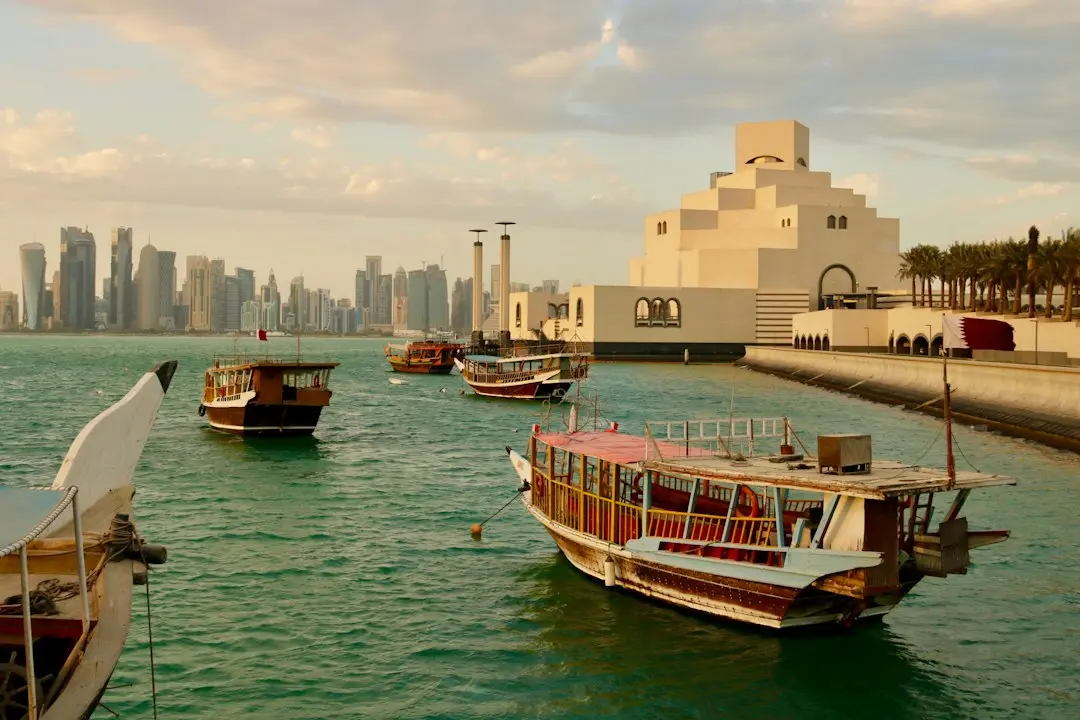
Qatar's Diplomatic Legacy in the Gaza Conflict
In a televised interview on Thursday, Qatar's Prime Minister Sheikh Mohammed bin Abdulrahman bin Jassim Al Thani criticized Israeli Prime Minister Benjamin Netanyahu, calling him a war criminal and reaffirming Doha's commitment to diplomatic engagement amid rising tensions in the Middle East.
Latest news
 G20 Trade Ministers Gather in Wisconsin Amid Tariff Tension
 Senate Democrats Unite to Push for West Bank Violence Report
 Sandino's Rebellion Against U.S. Occupation Begins in Nicaragua
 Diesel Surpasses Gasoline as Europe's Most Expensive Fuel
The Prime Minister's remarks come as the Gaza Strip endures intense bombardment and civilian casualties. Qatar has long positioned itself as a mediator between Israel and Hamas, hosting ceasefire talks and providing humanitarian aid. By labeling Netanyahu a war criminal, the Qatari leader seeks to pressure Israel into halting hostilities and to highlight alleged violations of international law.
Qatar has been a key player in the region’s diplomatic landscape for over a decade. The country has hosted numerous meetings between Hamas officials and Israeli negotiators, often serving as a neutral ground for dialogue. Doha has also financed reconstruction projects in Gaza and supplied water and medical supplies during crises. These efforts have earned Qatar a reputation as a pragmatic facilitator, even as it maintains close ties with the United States and other Western allies.
The Prime Minister emphasized that Doha’s mediation is rooted in a desire to protect civilians and restore stability. „We have always sought to bring both sides to the table,” he said. „Our aim is to end suffering and build a lasting peace.”
Will Doha's Continued Mediation Shift the Balance?
The question now is whether Qatar’s persistent diplomatic push will alter the trajectory of the conflict. Analysts note that Doha’s influence is strongest when it can leverage its relationships with both Hamas and Israel. By openly condemning Netanyahu, Qatar may signal a shift toward a more confrontational stance, potentially hardening Israeli positions.
However, the Prime Minister also stressed that Doha will keep channels open. „We will continue to work with all parties,” he said. „Our goal is to reduce violence and secure a durable ceasefire.”
The broader international community has responded with mixed reactions. Some leaders praise Qatar’s willingness to speak out, while others caution that public accusations could complicate negotiations. The United Nations has called for an immediate end to hostilities, and several Arab states have urged restraint on both sides.
Frequently Asked Questions
In the coming weeks, Doha is expected to host another round of talks in the presence of senior officials from the United States and the European Union. These meetings aim to address humanitarian concerns and explore a pathway to a broader ceasefire agreement. Whether Qatar’s diplomatic pressure will translate into tangible policy changes remains to be seen, but the country’s commitment to mediation is clear.
Why did Qatar label Netanyahu a war criminal? The Prime Minister cited alleged violations of international humanitarian law during Israel’s operations in Gaza. He aimed to highlight civilian casualties and the scale of destruction.
What role does Qatar play in the Israel-Hamas conflict? Qatar serves as a neutral mediator, hosts ceasefire negotiations, and provides humanitarian aid to Gaza. It also maintains diplomatic ties with both sides.
What could be the impact of Doha's continued mediation? Doha’s involvement may pressure Israel to negotiate, reduce violence, and create conditions for a lasting ceasefire. It could also influence regional alliances and international responses to the conflict.