Macintyre reveals how the bedroom became an unlikely battleground where pride
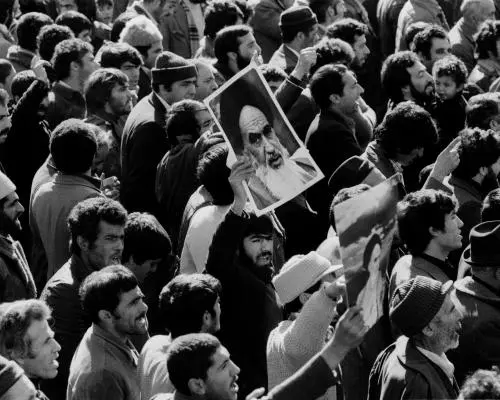
Ben Macintyre’s latest book explores the intertwined fates of a Soviet agent and an MI6 officer during Iran’s revolutionary upheaval, revealing how personal frailty shaped Cold War espionage. Set against the backdrop of Tehran’s political chaos in the late 1970s, the narrative follows two men whose loyalties are tested not just by ideology, but by deeply human weaknesses. Macintyre frames their story through the familiar MICE framework—Money, Ideology, Coercion, Ego—but introduces an unexpected motivator: erectile dysfunction, born of stress, excess, and relentless scrutiny. The Hidden Cost of Surveillance The Soviet operative, overwhelmed by constant monitoring and disillusioned by the corruption within his own ranks, begins to unravel both professionally and personally. His MI6 counterpart, though operating from the opposite side, faces parallel pressures—isolated, distrusted, and increasingly reliant on alcohol to cope.
Latest news
 Anthropic Announces $31 Billion Data Centre Deal in Western Queensland
 Veteran Journalist Hugh Riminton Announces Retirement After Nearly Five Decades
 How the 1980s Permanently Shaped America
 Victorian Police Gain Random Stop-and-Search Powers Under New Jacks Law
Their clandestine interactions, initially driven by intelligence exchange, evolve into something more complex as mutual vulnerability replaces ideological certainty.
Macintyre reveals how the bedroom became an unlikely battleground where pride, performance, and power intersected, turning a private struggle into a liability with global implications. Can Weakness Be a Weapon? This question lies at the heart of the book: can personal failure become a strategic asset in espionage? Macintyre argues that the very traits meant to disqualify a spy—emotional instability, physical frailty, psychological strain—can, under the right circumstances, make them more convincing, more desperate, or more pliable to manipulation. The agents’ struggles with impotence, far from being mere anecdotes, serve as metaphors for the broader impotence of ideological systems failing to meet human needs. Their stories suggest that in the shadow world of spies, the body often betrays the mission before the mind does. Frequently Asked Questions What role did Iran’s revolution play in the agents’ downfall?
The collapse of the Shah’s regime created a vacuum of trust and order, amplifying paranoia and isolating intelligence officers from their handlers, which intensified personal stresses and impaired judgment. How does Macintyre use the MICE model in this story? He applies the traditional motives—Money, Ideology, Coercion, Ego—but expands it to include psychological and physiological factors like erectile dysfunction as a symptom of deeper burnout and disillusionment. Is this book based on real events? Yes, Redwood draws from declassified files, interviews, and firsthand accounts to reconstruct the true experiences of Soviet and British operatives during Iran’s turbulent transition.